
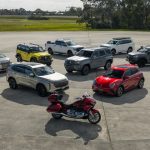

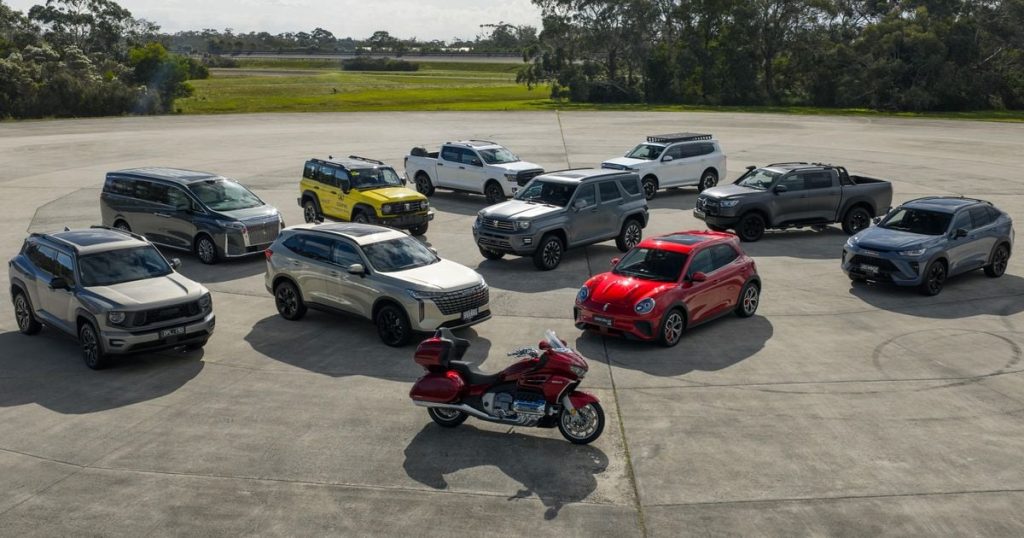
GWM doesn’t offer as many electric vehicles (EVs) as other Chinese automakers like BYD, but in offering a wide range of powertrain types it says it’s following the model of the Japanese giant that’s still the world’s largest automaker.
“Unlike some Chinese brands that focus only on new energy vehicles like PHEV or EV, we focus on powertrain diversity,” GWM chairman Jack Wei told Australian media through a translator.
“This is important because different regions have different needs. For example, in Russia EV is not suitable due to the cold climate, and in Brazil infrastructure is not yet sufficient.
“So our strategy is multiple powertrain platforms across SUVs, four-wheel drives, and utes, as seen in Australia.
“We are learning from Toyota globally, not just in Australia.”
CarExpert can save you thousands on a new car. Click here to get a great deal.
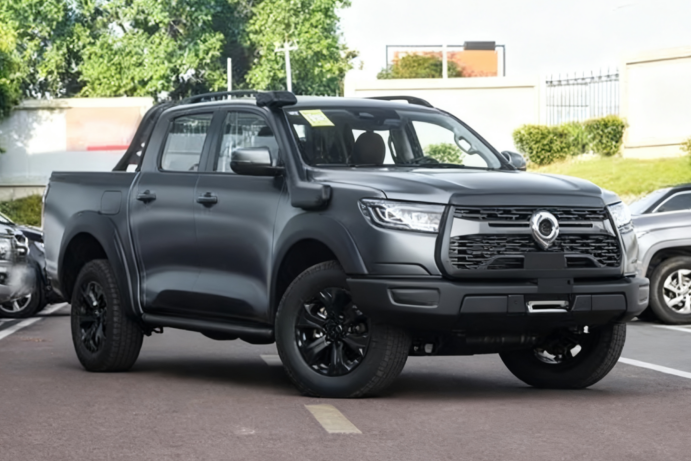

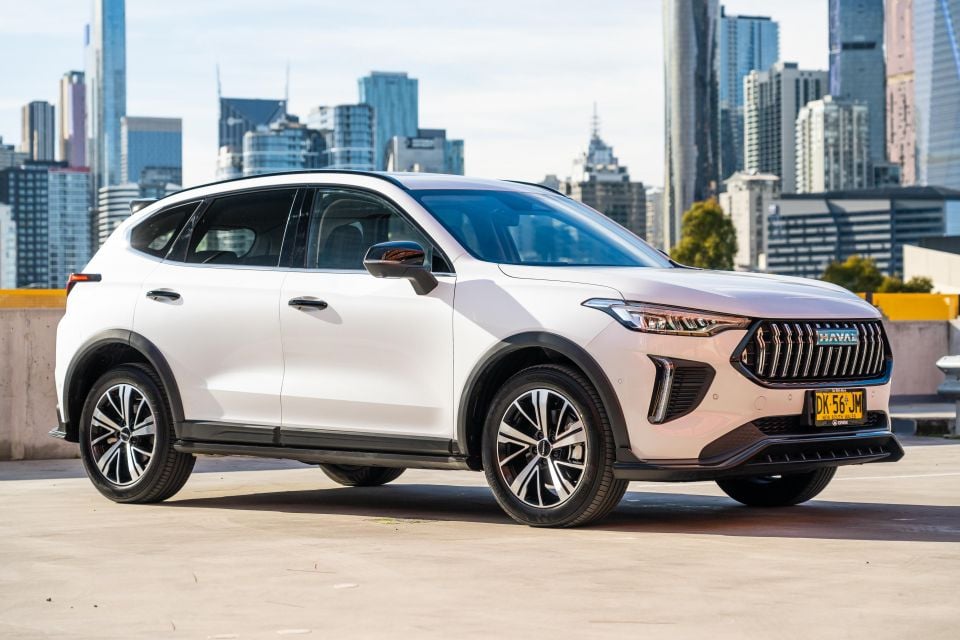
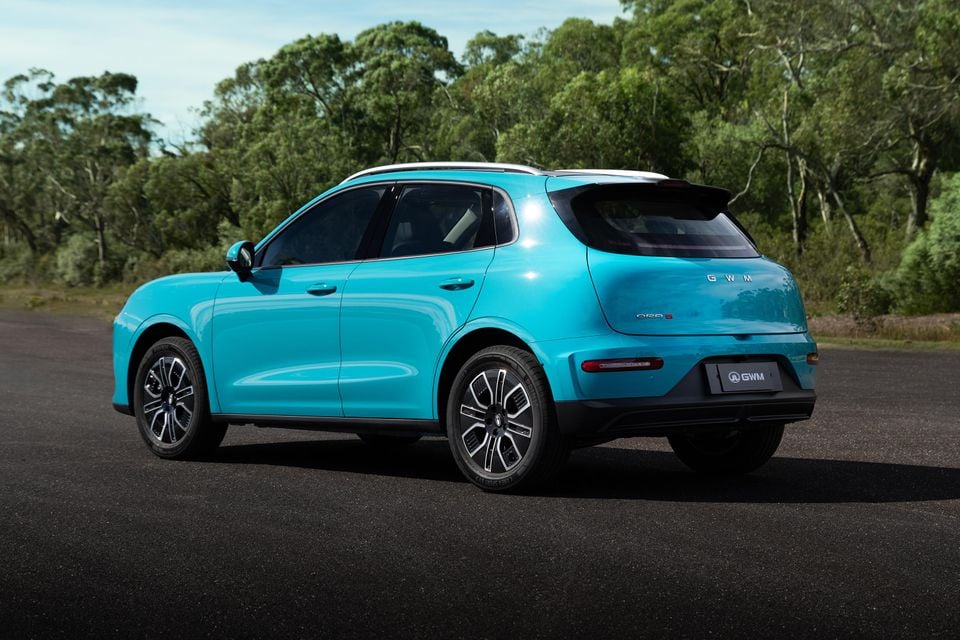
GWM currently offers petrol, diesel, hybrid, plug-in hybrid and electric powertrains, and has also been investing in hydrogen fuel-cell technology – one of only a handful of automakers to do so, with Toyota being the most prominent.
It also confirmed just days ago at the Beijing motor show that it’s working on diesel hybrid and diesel plug-in hybrid powertrains, which are exceedingly rare.
All that’s missing is an extended-range electric vehicle (EREV), an increasingly popular powertrain type in China, in which a combustion engine exists only as a generator to power the battery, instead of sending drive directly to the wheels.
As reported by Car News China last year, GWM CEO Mu Feng said “Great Wall Motor would rather die than make extended-range vehicles” and the company has reportedly ruled out EREVs because of their reliance on fossil fuels, their small batteries and limited electric range, and for offering inferior fuel economy to hybrids and inferior performance to EVs.
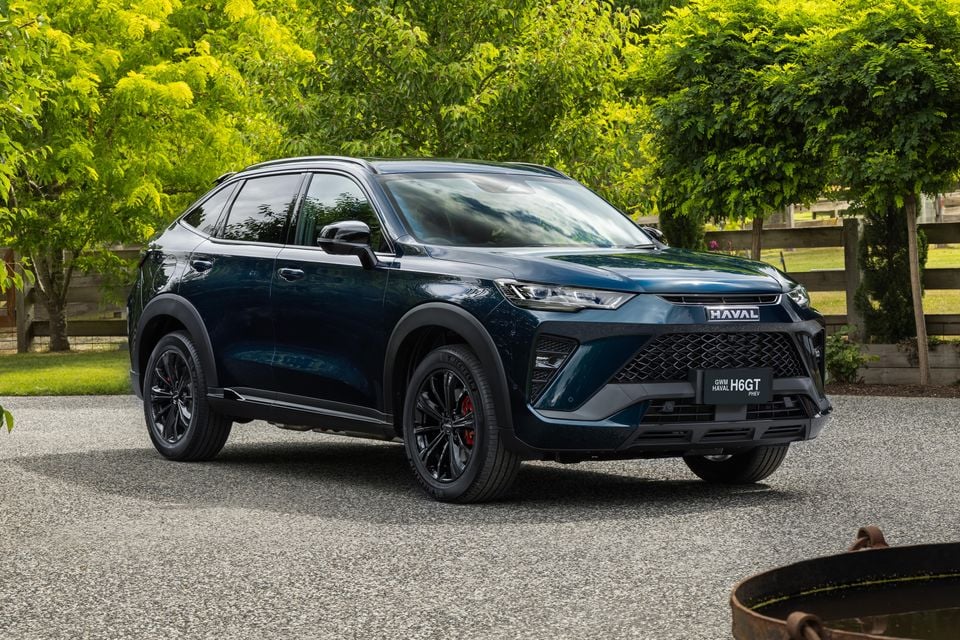
Even without EREVs, GWM has a deep bench of powertrains – it offers petrol, diesel, hybrid, plug-in hybrid and electric vehicles in Australia, while also confirming electrified diesel options will also come to our market.
“GWM focuses on long-term development in Australia and globally, rather than short-term growth,” said Mr Wei.
The brand expects to deliver 60,000 vehicles this year in Australia. It wants to grow to be a top-five brand with annual sales of at least 75,000 units, after finishing in seventh place last year with 52,809 units.
GWM was Australia’s third largest brand by volume for hybrid sales last year despite a 6.5 per cent year-onyear drop, with Haval H6 and Haval Jolion hybrid sales rising only incrementally and the Cannon Alpha hybrid axed in favour of a plug-in hybrid. This year it’s phasing out the related Tank 500 hybrid in favour of a new diesel.
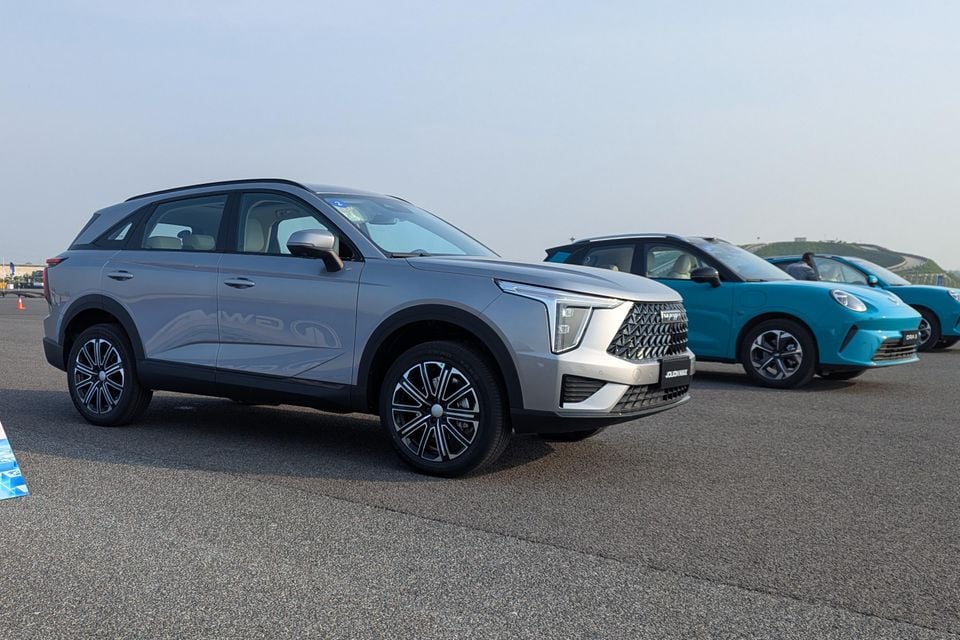
It was also third overall for plug-in hybrids despite only launching its first PHEV here last year, though it sat in 18th in EV sales with just one product, the Ora electric hatch. It’s being replaced mid-year by the Ora 5 small SUV, which GWM expects to be a significantly stronger seller.
“We will get to 60,000-plus [sales]; we’re on track for that at this stage,” GWM Australia and New Zealand marketing and communications chief Steve Maciver told Australian media.
To the end of March, it’s sitting in seventh and has pushed past Mitsubishi.
“We are here to invest in this market and this country for the long haul,” he said.
“To keep those customers, to start getting repurchase recommendation, to get some more customer loyalty, we’ve got to invest in the market and look after the customers that we’ve got, and in the unlikely event of an issue we’re able to respond not just with technical support but with parts supply as well.”
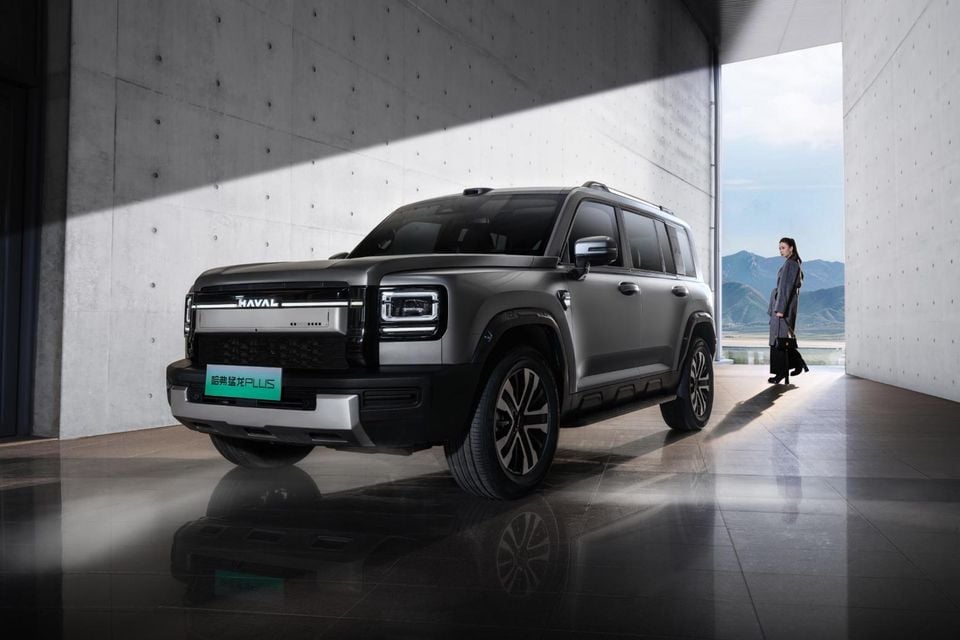
GWM is continuing to expand its lineup here, confirming the Jolion Max small/medium plug-in hybrid and electric SUV, a new Haval H7 medium/large crossover SUV and the Tank 800 flagship SUV, and potentially the large Tank 400 and Tank 700 off-road SUVs.
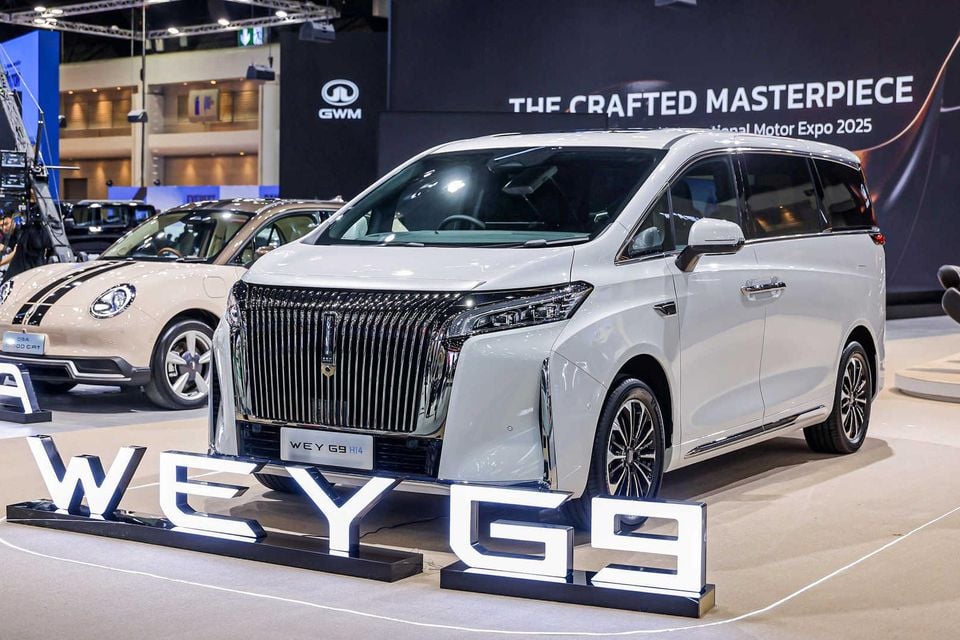
It’s also bringing the premium Wey brand to Australia, where it’ll be sold as a sub-brand in GWM dealers alongside Haval, Tank and Ora models.
GWM is opening another parts warehouse in Western Australia, joining locations in Melbourne and Brisbane, and is expanding its dealer network.
“We’re at 125 [retailers] today. By the end of this year we’ll be in excess of 130. That might be close to right-sized. We’re not saying we’re quite finished there; we’ve got to make sure we’re represented in the right areas,” said Mr Maciver.
“The majority of those new dealers we’ll bring in will be in regional locations.
“We do have a couple of key CBD areas in Sydney and Melbourne that we continue to work on, in terms of getting representation there, but in terms of metro representation across the rest of the country, we’re pretty satisfied.”
MORE: Explore the GWM showroom
Electric Cars#GWM #Toyotas #playbook #electrification1777676414
More Stories
Born-again V8 Jensen GT car named
Volkswagen open to selling developed-for-China models abroad
2026 Hyundai i20 N review