



As electric and software-defined vehicles push traditional calibration methods to the breaking point, HORIBA MIRA’s Puneet Mathur tells Automotive World exclusively why a virtual-first, system-level approach is now essential.
The shift to electrified and software-defined vehicles has transformed the engineering challenge facing OEMs. Where traditional calibration could proceed sequentially – hardware first, software validation later – the tightly coupled nature of modern xEV architectures makes that approach increasingly untenable.

Battery, inverter, thermal management, and control systems interact continuously, meaning a calibration decision made at the component level can propagate inefficiencies across the entire energy chain.
At the same time, the software-defined vehicle’s demand for rapid iteration cycles, OTA deployment capability, and lifecycle compliance is stretching processes designed for a world of fixed hardware and finite test programmes.
In this exclusive interview with Automotive World, Puneet Mathur, Chief Engineer – Data Driven Calibration Optimisation at HORIBA MIRA explains why a system-level, virtual-first approach is becoming increasingly important as EV and SDV programmes demand faster iteration and greater lifecycle flexibility.
Electric and software-defined vehicles have significantly increased system complexity. Why are traditional, hardware-led calibration approaches struggling to keep pace?
Electrified and software-defined vehicles behave as tightly coupled energy systems in which the battery, inverter, thermal, and control layers constantly interact. Traditional hardware-led calibration, built around sequential prototype validation, cannot scale to this level of complexity. The result is late integration surprises, repeated rework, and escalating program cost.
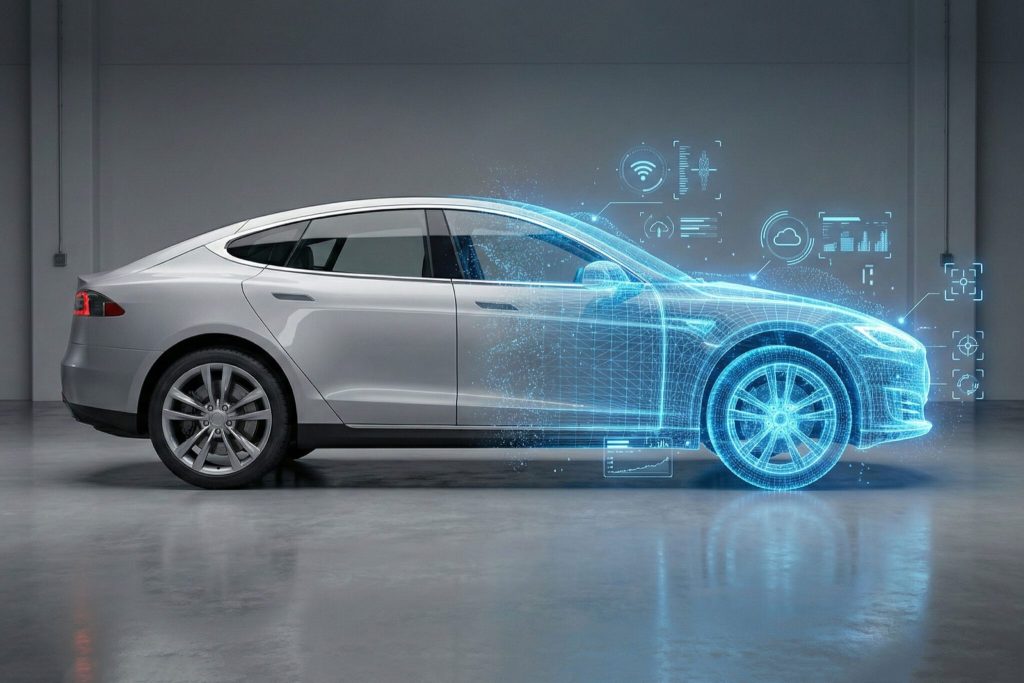
A system-level, virtual-first approach – combining global scenario generation, high-fidelity digital twins, and automated calibration optimisation – allows complexity to be managed before hardware freezes, protecting launch timing and engineering budgets.
The most critical value is risk elimination before hardware commitment.
Virtual calibration is often positioned as a way to reduce cost and time. What is its most critical value in supporting strong EV and SDV performance?
The most critical value is risk elimination before hardware commitment. By validating calibration against structured global scenarios using system-level digital twins, OEMs expose edge cases, energy losses, and interaction issues early. This prevents emergency recalibration campaigns, expensive dyno rework, and delayed SOP.
How does virtual calibration support faster software iteration cycles required by SDVs?
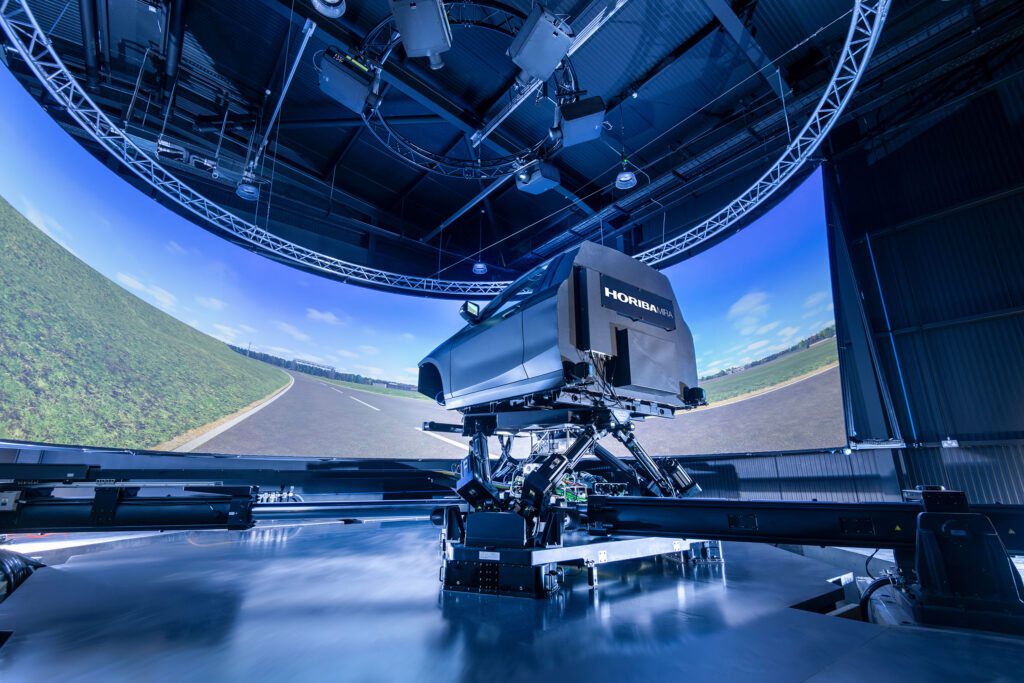
SDVs demand calibration processes compatible with CI/CD. Real-world scenario libraries and data-driven digital twins deployed in cloud or XiL environments are continuously updated throughout the vehicle’s lifetime, allowing every calibration change to be regression-tested automatically before release.
Optimisers generate updates that are validated prior to OTA deployment. Calibration becomes traceable, repeatable, and software-driven – not prototype-dependent.
Calibration becomes traceable, repeatable, and software-driven – not prototype-dependent.
How important is system-level virtual calibration compared with component-level optimisation?
In xEV architectures, inefficiencies rarely originate in isolation. For example, thermal strategies influence battery limits, which in turn affect regen energy recovery and blending, impacting range and drivability. Component optimisation alone shifts losses elsewhere.
A system-level digital twin, driven by realistic scenarios and optimisation, minimises irreversible losses across the entire energy chain, preventing costly integration trade-offs later. It ensures performance targets are achieved holistically, not at the expense of another subsystem.
How does generating and condensing real-world global driving scenarios change validation?
Fleet-based validation is expensive and geographically constrained. Global scenario generation, combined with scenario condensation, delivers statistically representative coverage without multiplying prototypes. Engineers preserve behavioural diversity while dramatically reducing physical test burden. Testing and validation become intelligent and targeted rather than volume driven.
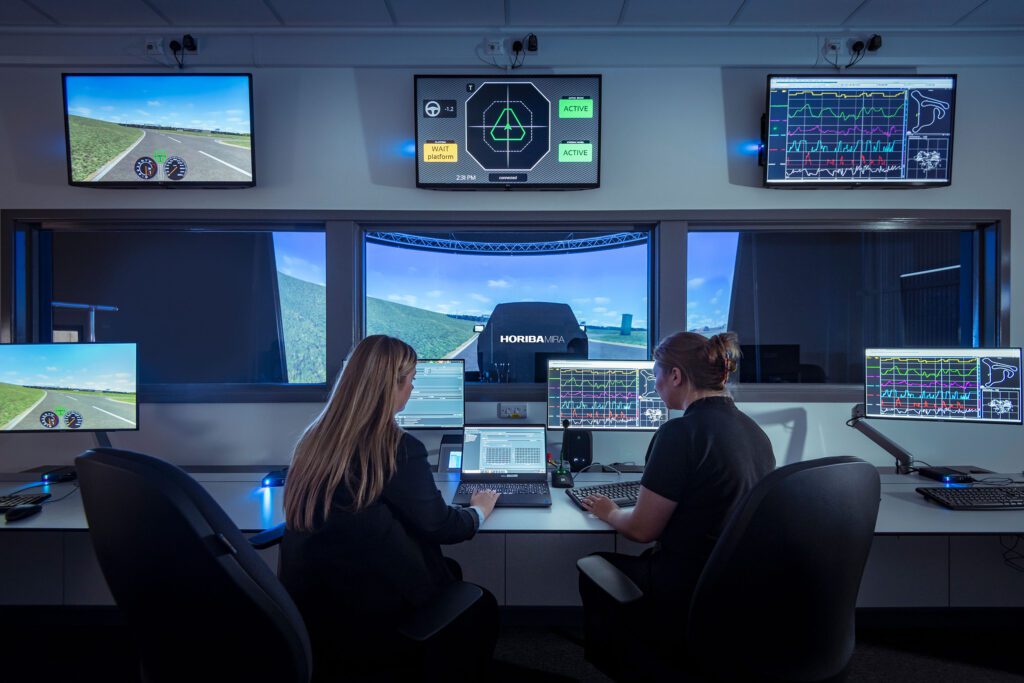
How do AI and ML-driven optimisation tools help balance competing targets such as range, performance, charging time, and durability?
xEV calibration is inherently multi-objective – range, performance, charging speed, and thermal durability compete. Data-driven digital twins accurately predict system response, while calibration optimisers explore thousands of trade-offs beyond manual capability.
This shortens convergence cycles and ensures optimal calibration decisions are data-driven rather than intuition-led.
How can virtual calibration help OEMs address evolving regulations such as Euro 7 or UN R156?
Regulations are shifting toward lifecycle compliance and software governance. Scenario-based validation provides traceable digital evidence of performance under regulatory and real-world conditions. Automated calibration refinement in a loop with data-driven digital twins, combined with OTA capability, ensures vehicles remain compliant with emerging regulatory expectations beyond initial homologation.
How do you expect virtual calibration to evolve as vehicles become increasingly connected?
Virtual calibration will evolve into a continuous lifecycle capability. Real-world fleet data will continuously refine digital twins and expand test and validation scenario libraries. Optimisers will generate improved calibrations validated in cloud-based environments and deployed over-the-air throughout vehicle life. This approach transforms calibration from a launch-phase cost centre to a strategic lever for long-term efficiency, customer satisfaction, and competitive advantage.
Sponsored Content: This article was produced on behalf of HORIBA MIRA. While HORIBA MIRA provided information and expert commentary, Automotive World retained responsibility for the final content.
E-Mobility,Partner Content,Software-Defined Vehicle#virtual #calibration #essential #SDV #engineering1773235824

More Stories
Pony.ai, CATL partner on first L4 electric light truck
UK lays regulations for automated passenger services
Leapmotor reveals China-only B05 Ultra at Beijing show