




Canada’s tariff cut to 6.1% has put Volvo’s Chinese-built models back on the table, but logistics and certification questions remain. By Stewart Burnett
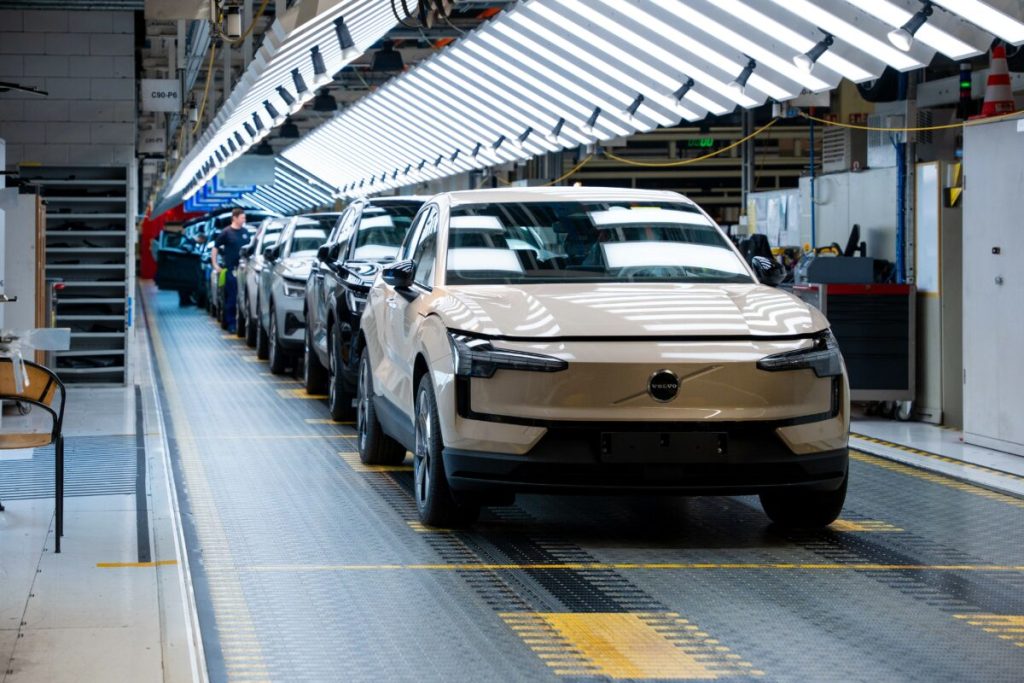
Volvo Cars Canada is actively investigating the import of Chinese-built electric vehicles (EVs) after Prime Minister Mark Carney’s administration reduced its tariffs on such products from an insurmountable 100% down to 6.1%. Managing Director Matt Girgis confirmed to news outlet Electric Autonomy that the Geely-owned automaker is looking at multiple models, including the EX30 compact crossover it previously imported from its plant in Zhangjiakou.
“The EX30 is still produced in China, same with other cars that we have,” Girgis told the outlet. “Some cars we sell in North America, some we don’t. Some are specific to the Chinese market. But for us now, it’s about investigating the opportunity and seeing if there is something we can do there, if we should do so.”
Volvo currently builds three battery-electric models in China: the EX30, EX40 and the EM90 minivan respectively. It also builds plug-in hybrids and extended-range variants not currently offered in Canada. Production of Canada-bound EX30s was moved over to a plant in Ghent following the imposition of 100% tariffs back in 2024.
While Canadian consumers appear to be warming to the idea of Chinese-made EVs, nothing is set in stone for Volvo just yet. Among other things, issues around certification and logistics remain unresolved. “We’re looking at everything right now,” Girgis said. “On one side, the cars have to be North American certified, right? So we need to make sure that they check that box. And then, there’s a whole bunch of questions you need to answer around freight and logistics. Is it possible with the factory suppliers? All that kind of stuff. But the investigation is ongoing.”
Girgis also expressed some concerns about a perceived lack of policy detail from Ottawa. As it stands, Canada’s annual quota stands at 49,000 Chinese EVs, a ceiling Volvo’s 14,500 total Canadian sales in 2025 falls comfortably within. “What does it mean?” he remarked. “What’s the end goal, is probably the bigger question, with 49,000 cars in an industry of two million. It’s a small portion, but where do we go from here? How fast do we go? Who’s allowed to come in? … How does that process happen?”
On broader EV policy, Girgis welcomed the return of purchase incentives and the scrapping of the Electric Vehicle Availability Standard, while calling for more detail on the replacement emissions framework. “We need the government to participate,” he stated. “From that lens, I’m happy to see the announcements come back with some clarity on the mandates, with some reintroduction of the rebates and also with investment in charging infrastructure. How it comes to life and the rules behind it are still a bit of a TBD. The punchline is: I think they’re on the right track, but clarification is needed on the details. Because they matter, right?”
At the time of writing, BYD is the only major Chinese automaker formally registered with Transport Canada to import passenger cars. Chery has also been identified as a likely early market entrant under the new arrangement.
E-Mobility,Manufacturing,Markets,News,OEMs,Geely,Stewart BurnettGeely,Stewart Burnett#Volvo #eyes #Chinese #imports #Canada #tariff #cut1771521532


More Stories
Pony.ai, CATL partner on first L4 electric light truck
UK lays regulations for automated passenger services
Leapmotor reveals China-only B05 Ultra at Beijing show