


Seoul legislators are discovering that President Trump’s trade agreement came with implementation deadlines not in the fine print. By Stewart Burnett
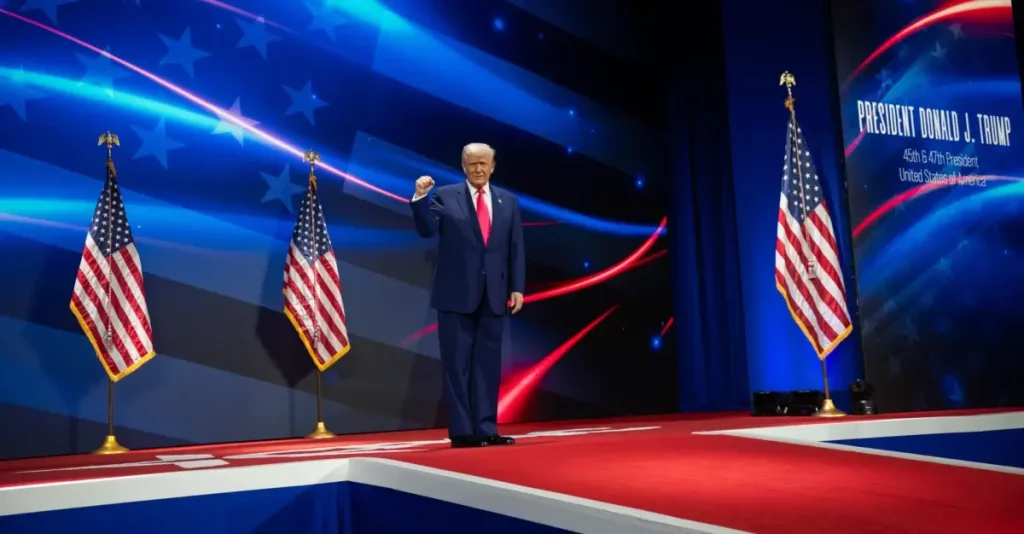
US President Donald Trump announced on 26 January that he would increase tariffs on South Korean imports to 25% from 15%, accusing the country’s legislature of failing to enact a trade deal the two countries struck in 2025. The abrupt reversal affects automotive and a range of other goods covered under Trump’s “reciprocal” tariff framework.
President Trump and South Korean President Lee Jae Myung reached the framework deal in July 2025, with final terms confirmed during Trump’s visit to Seoul the following October. As part of the agreement, South Korea pledged to invest US$350bn in US strategic sectors in exchange for reduced tariffs, including a cut from 25% to 15% on vehicles and automotive parts that took effect on 1 November.
Part of the country’s efforts to court a favourable US deal came in the form of major investments from Hyundai, which announced US$21bn in American strategic investments in March 2025. It should be noted that some of this money had already been allocated previously. In August it raised the investment sum to US$28bn through 2028, allocating the additional funds to bolster vehicle, steel and robotics-heavy production.
Seoul’s presidential office confirmed on 27 January that it had received no official notification of the tariff increase and expressed confusion about what specifically prompted Trump’s announcement. South Korea’s trade minister, currently situated in Canada, will travel to Washington for meetings with Commerce Secretary Howard Lutnick. Meanwhile, Seoul is scrambling to understand whether Trump was referring to a November bill enabling the US$350bn investment package that currently remains stalled in parliament.
Shares in Hyundai Motor and Kia initially plunged by 4.8% and 6% respectively in the wake of Trump’s post on Truth Social, before recovering to trade modestly higher. Automotive exports to the US totalled US$30.2bn in 2025, representing 25% of South Korea’s shipments to the country. In-keeping with broader trends around the effects of Trump’s tariffs on trade, this marked a 13.2% decline from 2024.
As it stands, the deal between the US and South Korea comprises a handshake, a factsheet and a memorandum of understanding rather than any kind of formal treaty requiring parliamentary ratification. Seoul’s presidential office insisted in November that the arrangement did not need legislative approval, yet Trump’s complaint centres precisely on the legislature’s failure to act. A fundamental disagreement now brews over what constitutes implementation of an agreement that neither side appears to have formalised properly.
For those expecting trade stability in 2026, the Trump administration’s actions in January appear to have offered a rude awakening. South Korea now joins a growing list of allies facing volatile trade policy this month, following 100% tariff threats against Canada and levies threatened against eight EU nations over the future of Greenland.
Manufacturing,Markets,News,Hyundai Motor Group,Stewart BurnettHyundai Motor Group,Stewart Burnett#Trump #loses #patience #hits #South #Korea #fresh #tariff #hike1769509538
More Stories
Pony.ai, CATL partner on first L4 electric light truck
UK lays regulations for automated passenger services
Leapmotor reveals China-only B05 Ultra at Beijing show