

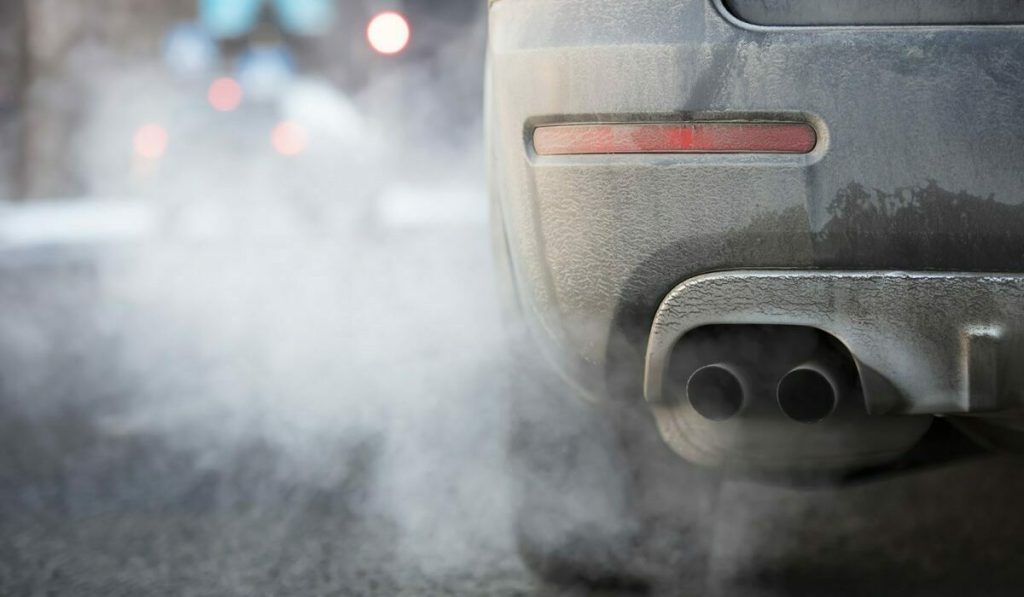
The lawsuit’s findings are expected to reshape emissions policy, and therefore automaker strategy, in most major US car markets. By Stewart Burnett
The Trump administration has filed a federal lawsuit seeking to block California’s Advanced Clean Cars II regulations, which require 100% of new passenger vehicles sold in the state to be zero-emission by 2035. The Department of Justice (DoJ) sued the California Air Resources Board in Sacramento federal court, arguing the mandate unlawfully encroaches on federal fuel economy authority.
The DoJ further argued that the rule would force automakers to overhaul production lines to meet standards stricter than those set by federal regulators. Governor Gavin Newsom’s office responded by tying the lawsuit directly to the Iran conflict and surging pump prices, which are sitting at a statewide average of around US$5.42 per gallon—up roughly 60 cents against a week prior.
“On the same day Trump bragged on social media that he’s happy to let the Iran war drag on while drivers keep paying more at the pump and oil companies pocket record profits, his administration sued California for advancing cleaner, cheaper cars that free drivers from the grip of foreign oil markets,” the statement read. Newsom’s office further characterised the Trump administration suit as “meritless” and pledged, as on previous occasions, to defend the regulations in court.
However, the stakes extend well beyond California’s borders. The state accounts for roughly one in every eight new vehicles sold in the US, and 17 states plus Washington DC currently follow its emissions standards under a Clean Air Act provision permitting other states to adopt the tougher rules. A ruling against California would therefore reshape emissions policy across a substantial share of the national auto market.
California has held unique authority to set vehicle emissions standards since before the federal Environmental Protection Agency existed, a reflection of the state’s historic problems with severe smog. The Biden administration granted a waiver in 2024 enabling the Advanced Clean Cars II rules to proceed, but Trump moved to revoke it in June 2025 via three Congressional Review Act (CRA) resolutions. California immediately challenged those resolutions in court, arguing that the CRA cannot lawfully be used to rescind adjudicatory orders such as waivers.
The same federal argument anchoring the latest lawsuit was deployed during President Donald Trump’s first term under the SAFE Vehicles Rule, but that litigation was frozen when Biden reinstated California’s waiver in 2021. With the Supreme Court having already ruled in June 2025 to allow fuel producers to sue California over its emissions rules, the state’s legal position is more exposed than it was during the first round. Current cases are generally expected to reach the Supreme Court during 2026-2027.
E-Mobility,Markets,News,Stewart BurnettStewart Burnett#Trump #administration #sues #California #mandate1773657615

More Stories
Pony.ai, CATL partner on first L4 electric light truck
UK lays regulations for automated passenger services
Leapmotor reveals China-only B05 Ultra at Beijing show