




Rivian and the CCC weigh in on the challenges and opportunities of digital vehicle access solutions in the push towards CAVs. By Megan Lampinen
The number of connected vehicles on the roads is growing rapidly and should reach 76 million by 2030, according to S&P Global Mobility. That connectivity extends to a vast range of features, including digital vehicle access. To date, it’s proven problematic and glitchy. However, recent developments and industry standards are helping to iron out many of the more substantial kinks, paving the way for a potential new paradigm of keyless entry.
“A massive cascade of issues”
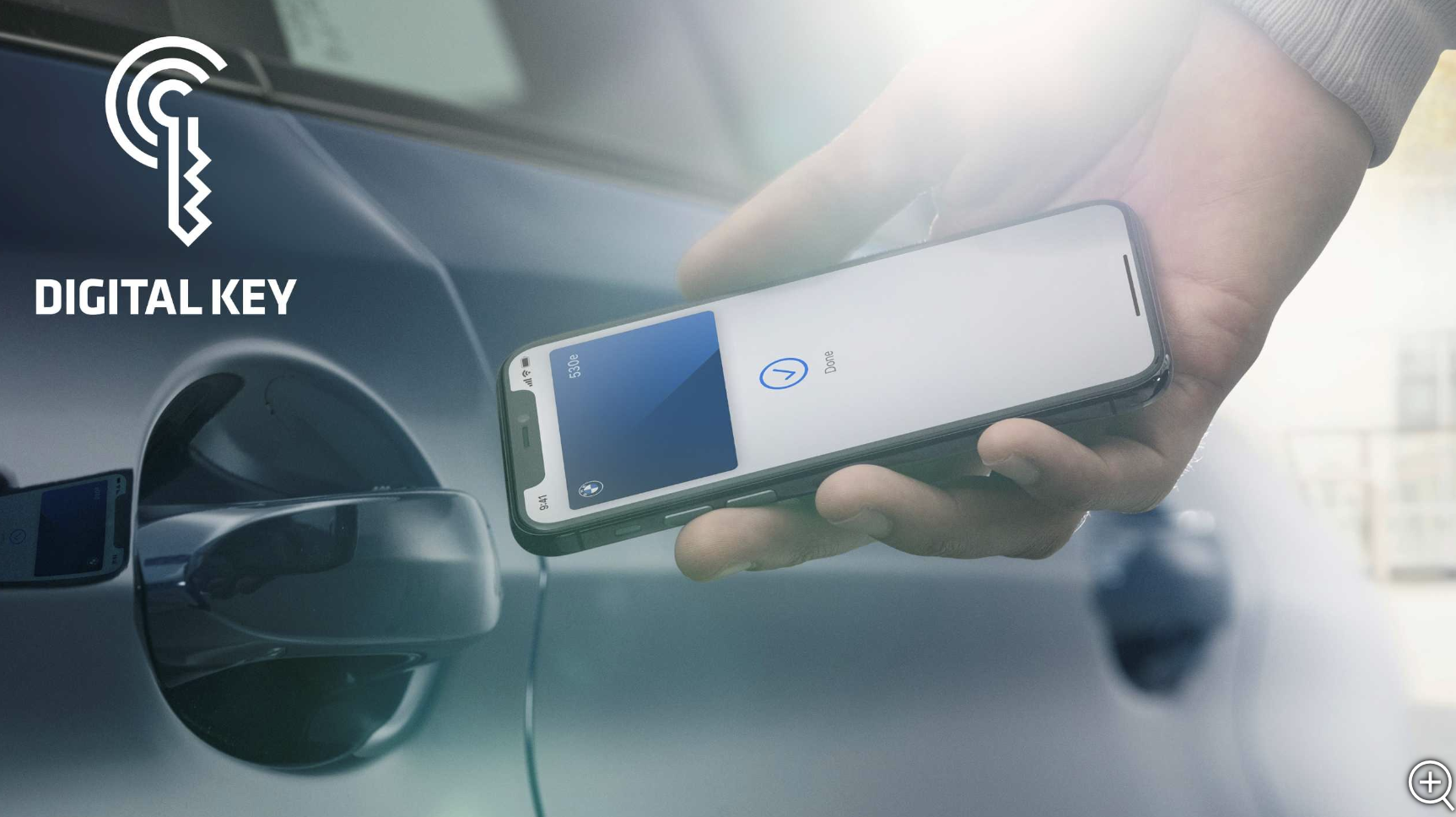
Digital vehicle access in the form of Bluetooth-based fobs has existed since the 1990s, but the modern age of smartphone keys kicked off around 2018 when both Tesla and BMW introduced their own systems. A number of other brands followed, including Hyundai, Kia and Audi, with Apple introducing its ‘Car Keys’ feature designed to work across multiple brands in 2020. Systems generally draw on three foundational wireless technologies, each supporting different use cases: near field communication (NFC) for tap-to-lock, unlock and start; Bluetooth low energy (BLE) for remote keyless entry; and ultra-wide band (UWB) with BLE for secure, precise pass of entry and start.
Most systems recognise when the authorised driver is near and automatically unlock the doors—particularly helpful when your hands are full. Other benefits include better security against theft and the ability to share vehicle access remotely with friends and family. However, these systems don’t always work as promised.
Online forums are full of complaints like this one: “Had a worrying key/digital key issue this morning, couldn’t unlock the car with active key even though I had my phone on me, unlocked with the app but then couldn’t drive as no key detected.” In one September 2025 post on the Audi e-Tron forum, an owner relates how his salesman tried to dissuade him from using the digital key on a new vehicle just purchased, concluding: “I now understand that, to his credit, he was trying to do everything he could short of flat out telling me my new car’s Digital Key capability will cause a massive cascade of technical issues ranging from inconvenient and annoying to disabling all methods of operating the door locks short of the mechanical key.”
Even in China, where users are much more forgiving of technology teething problems, owners are expressing annoyance. In JD Power’s 2024 China Tech Experience Index Study, digital keys were among the top technologies contributing to increased complaints about smart cockpit functionality, with 46% of owners reporting issues with their systems.
“That’s the point of the CCC Digital Key,” says Alysia Johnson, President of the Connected Car Consortium (CCC). “There are many different digital keys out there, and implementing something that addresses interoperability, security and the user experience brings some real challenges.”
Interoperability in a fragmented market
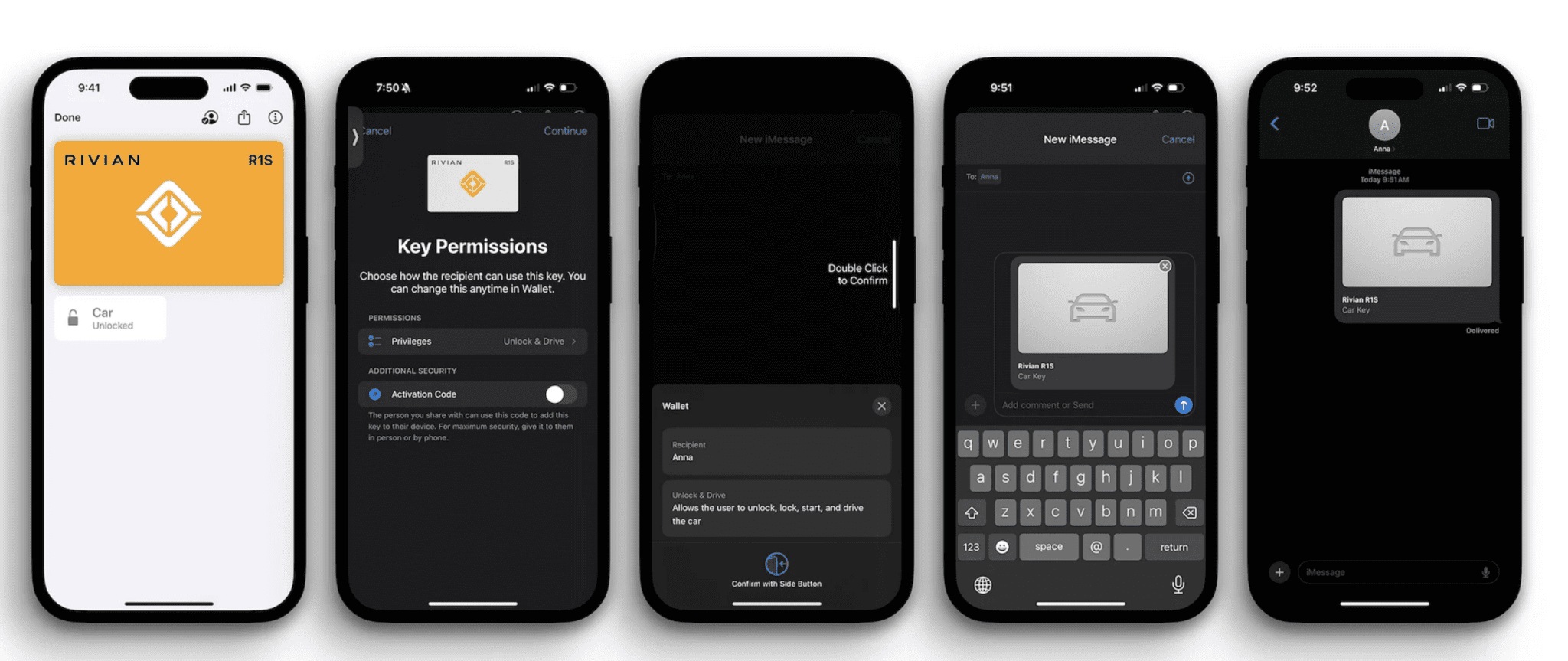
The CCC Digital Key is a standard designed to address common reliability challenges by ensuring that digital keys work consistently across all smart devices and vehicles. “General access control is already well established in other verticals, like mobile payments and enterprise identity systems, but automotive is particularly complex,” Johnson explains. Not only are there numerous vehicle makes and phone brands, but vehicles can go through multiple owners, and those owners own multiple devices. “We are all about one approach, no matter what vehicle, no matter what smart device,” she tells Automotive World.
The certification programme for CCC Digital Key launched in late 2023, and BMW became the first automaker to receive approval in 2024. This certificate signals to consumers that the system has been validated as meeting specific requirements for secure and interoperable vehicle-to-device access.
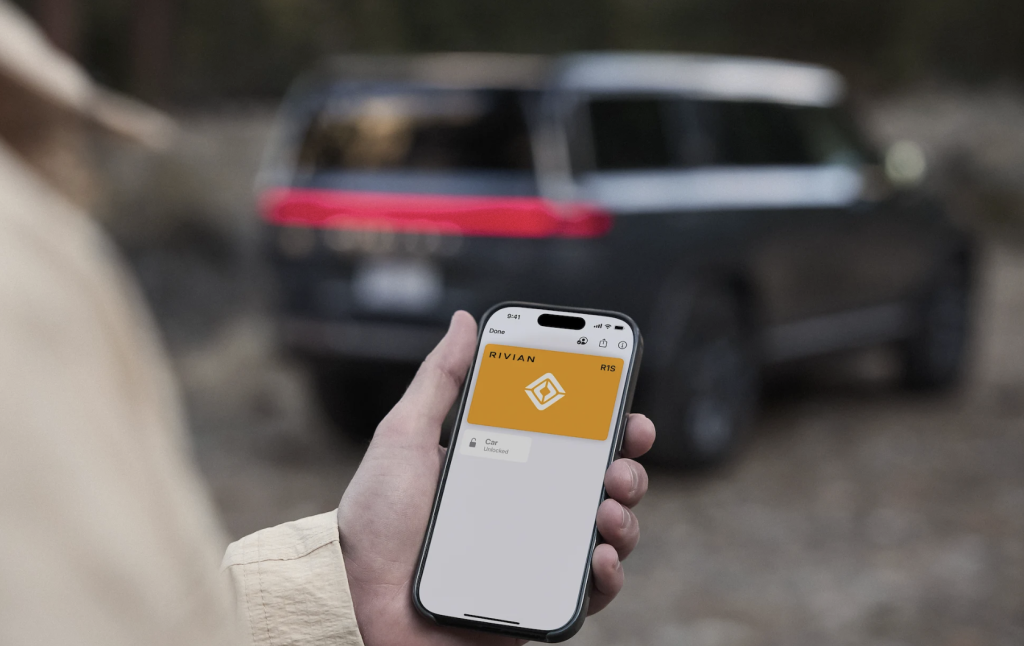
Rivian had originally launched its own proprietary digital access solution but later migrated to use the CCC. “From a technical standpoint, car connectivity is a really hard problem to solve,” concedes Wassym Bensaid, Rivian’s Chief Software Officer as well as Co-Chief Executive of its joint venture with Volkswagen. “Implementation involves trade-offs between security, accuracy, power management, reliability and convenience.”
Rivian is known for its rapid development cycles but even this software-first company spent more than 18 months working on the new Digital Key. Nine months were spent just on integration and testing, working closely with phone makers to “iron out the details” around interoperability. It finally rolled out to customers in December 2025, and initial feedback is promising. “The initial user surveys reflect an extremely high level of satisfaction that we have not seen before with the digital key experience,” Bensaid emphasises.
While Rivian brand volumes are currently small, the company’s technology is making its way into the VW Group thanks to their joint venture. “The first VW Group vehicle with our technology is launching in 2027 and will include CCC,” he confirms. “Even the ID.1, an entry level car, will have great technology like CCC.”
Digital access will also prove increasingly important in a world of autonomy, where robotaxi fleets need to authenticate users and grant access to the vehicle. Rivian is currently working with Uber on plans for 50,000 robotaxis based on the R2 platform.
Just the beginning
According to CCC’s 2025 Future of Vehicle Connectivity Report, 97% of consortium member companies rated vehicle access as extremely or very important to their business. In 2025, 115 automotive brands received CCC certification, up from two in 2024. “This is moving from early adopter to mass market,” observes Johnson.
But it doesn’t stop here, as general access control principles can be applied to numerous other potential use cases. This year, the CCC will be taking a closer look into applications around fleet management and automated electric vehicle charging.
“Access to an individual car is just the beginning,” says Bensaid. “We see a ton of opportunity in terms of how we manage things like ride-sharing and car rental. You can also imagine use cases such as really granular profile management for different users of the car. Maybe you want to allow your teens to access the car with a limited profile, for instance. All those features are possible in the future with such technology.”
Articles,Autonomous Driving,OEMs,Software-Defined Vehicle,Megan Lampinen,Volkswagen GroupMegan Lampinen,Volkswagen Group#Rivian #sees #ton #opportunity #digital #key #tech1775039697



More Stories
Pony.ai, CATL partner on first L4 electric light truck
UK lays regulations for automated passenger services
Leapmotor reveals China-only B05 Ultra at Beijing show