




Honda and DriveOhio have completed a two-year pilot using vehicle sensor data to detect road deficiencies in Ohio
Honda and DriveOhio, the smart mobility hub of the Ohio Department of Transportation (ODOT), have completed a two-year pilot project demonstrating how real-time vehicle-generated data can detect and report road deficiencies, with the project team estimating the system could save ODOT more than US$4.5m annually. The pilot, conducted with i-Probe Inc., Parsons Corporation, and the University of Cincinnati, covered approximately 3,000 miles of roads in central and southeastern Ohio.
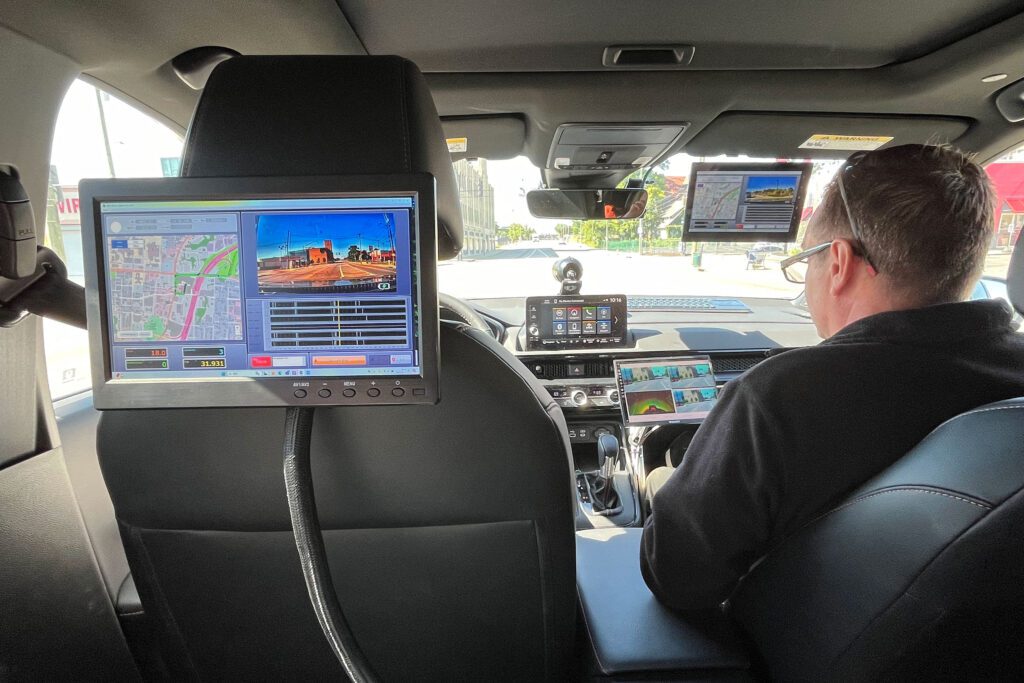
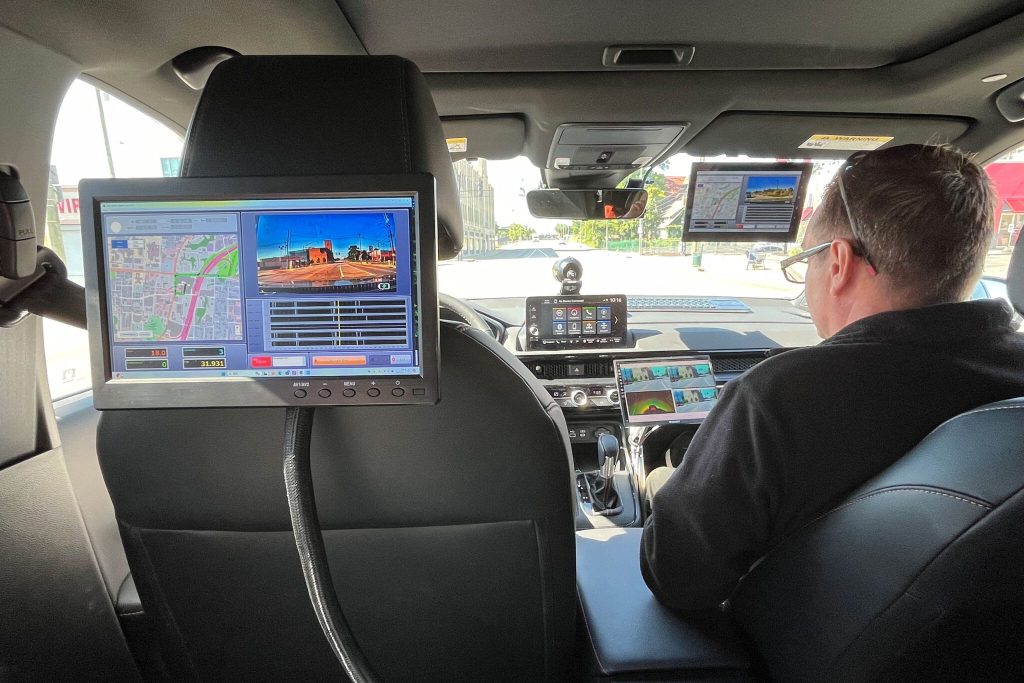
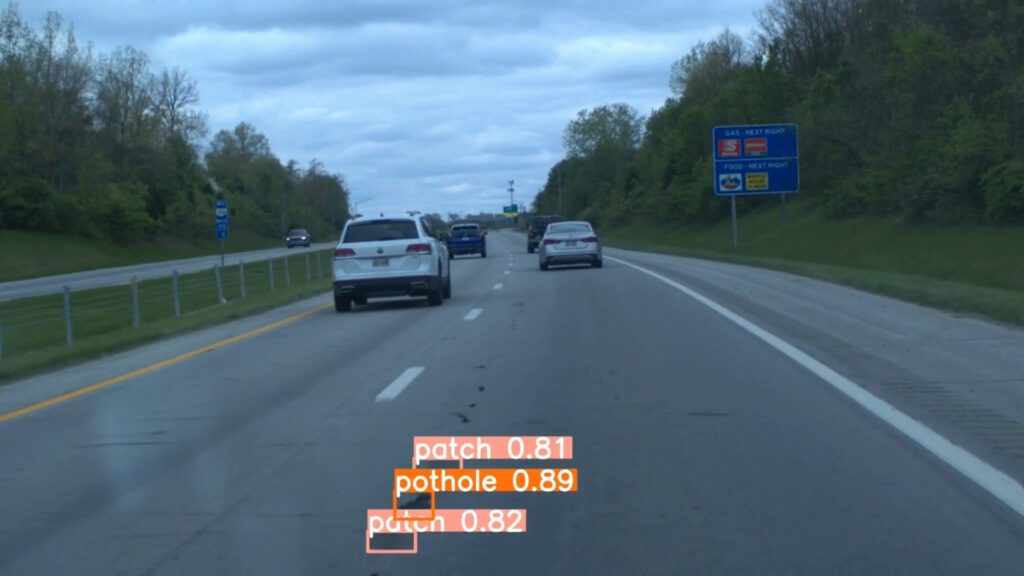
Honda test vehicles equipped with vision and LiDAR sensors detected potholes, faded lane markings, road roughness, damaged guardrails, signs, and shoulder drop-offs. Data was processed using Edge AI models, transmitted to a Honda cloud platform, and integrated into Parsons’ iNET Asset Guardian system to generate prioritised work orders for maintenance teams.
The system achieved 99% accuracy for damaged or obstructed signs, 93% for damaged guardrails, and 89% average accuracy for potholes.
In a statement, Sue Bai, Chief Engineer, Sustainability and Business Development at American Honda Motor Co., said: “By using real-time vehicle data to detect road hazards and infrastructure issues, Honda, ODOT and our project partners are demonstrating how smarter, adaptive solutions can enhance safety, reduce costs and enhance safety for everyone sharing the road.”
Honda said the project team is exploring ways to scale the system, with future plans to enable anonymised data sharing from customer vehicles.
Source: Honda
News,OEMs,HondaHonda#Honda #Ohio #DOT #trial #road #monitoring #system1769741039

More Stories
Pony.ai, CATL partner on first L4 electric light truck
UK lays regulations for automated passenger services
Leapmotor reveals China-only B05 Ultra at Beijing show