


Hesai is in a prime position to capitalise on the growing mainstream adoption of LiDAR in passenger vehicles. By Stewart Burnett
Hesai has reported net income of CN¥435.9m (US$62.3m) for 2025, becoming the first LiDAR manufacturer to achieve full-year profitability. Total shipments increased 222.9% year-over-year to 1.62 million units, with revenue up 45.8% to CN¥3.03bn, and the company has raised its 2026 shipment guidance to between 3 and 3.5 million units while planning to scale production capacity beyond 4 million units annually—including overseas manufacturing lines.
LiDAR for advanced driver assistance systems drove the surge in volumes, with shipments rising 202.6% to 1.38 million units as the technology’s penetration of China’s passenger car market accelerated. Robotics LiDAR, despite accounting for less units, grew even faster—up 425.8% to 239,273 units—on partnerships with humanoid robot manufacturers including Unitree and household robotics brands. Gross margin narrowed slightly to 41.8% from 42.6%, reflecting a higher mix of lower-margin ADAS products, though it remains well above 40%.
Hesai has secured design deals with all ten of China’s largest automakers and counts Xiaomi, Li Auto, and Leapmotor among the clients whose multi-LiDAR vehicle programmes will enter production in 2026 and 2027. On the global front, it is also Nvidia’s primary LiDAR supplier for the DRIVE Hyperion 10 autonomous vehicle platform. This relationship is expected to extend the company’s reach into a wide variety of Western OEM development programmes using Nvidia’s stack.
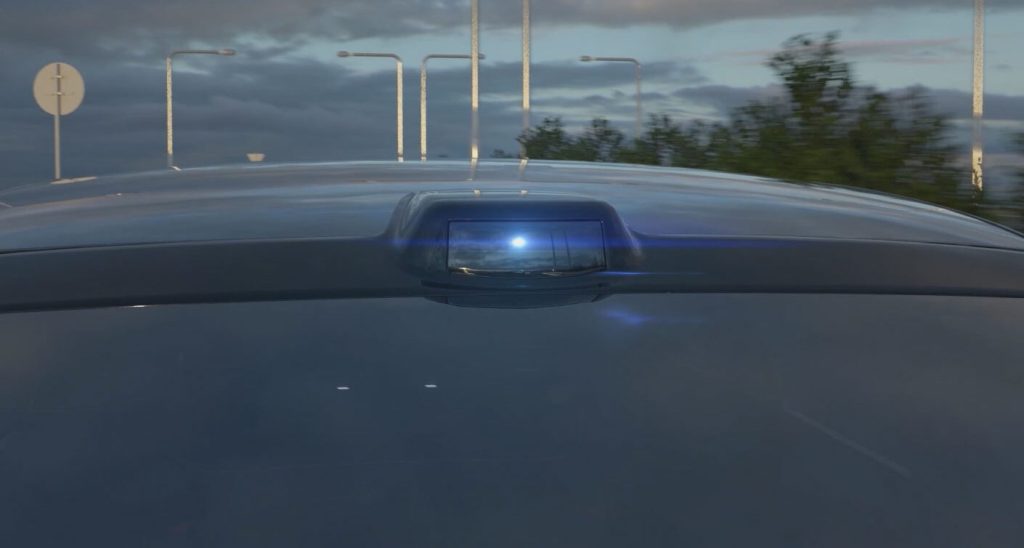
Hesai’s rapid rise in the last couple of years is striking as the company primely situated to advantage from LiDAR becoming commercially viable for mass-market vehicles. Through a variety of means, including softwarisation and economies of scale, the company has reduced the per-unit price of LiDAR from more than US$50,000 a decade ago to around US$200 for its FTX solid-state sensor.
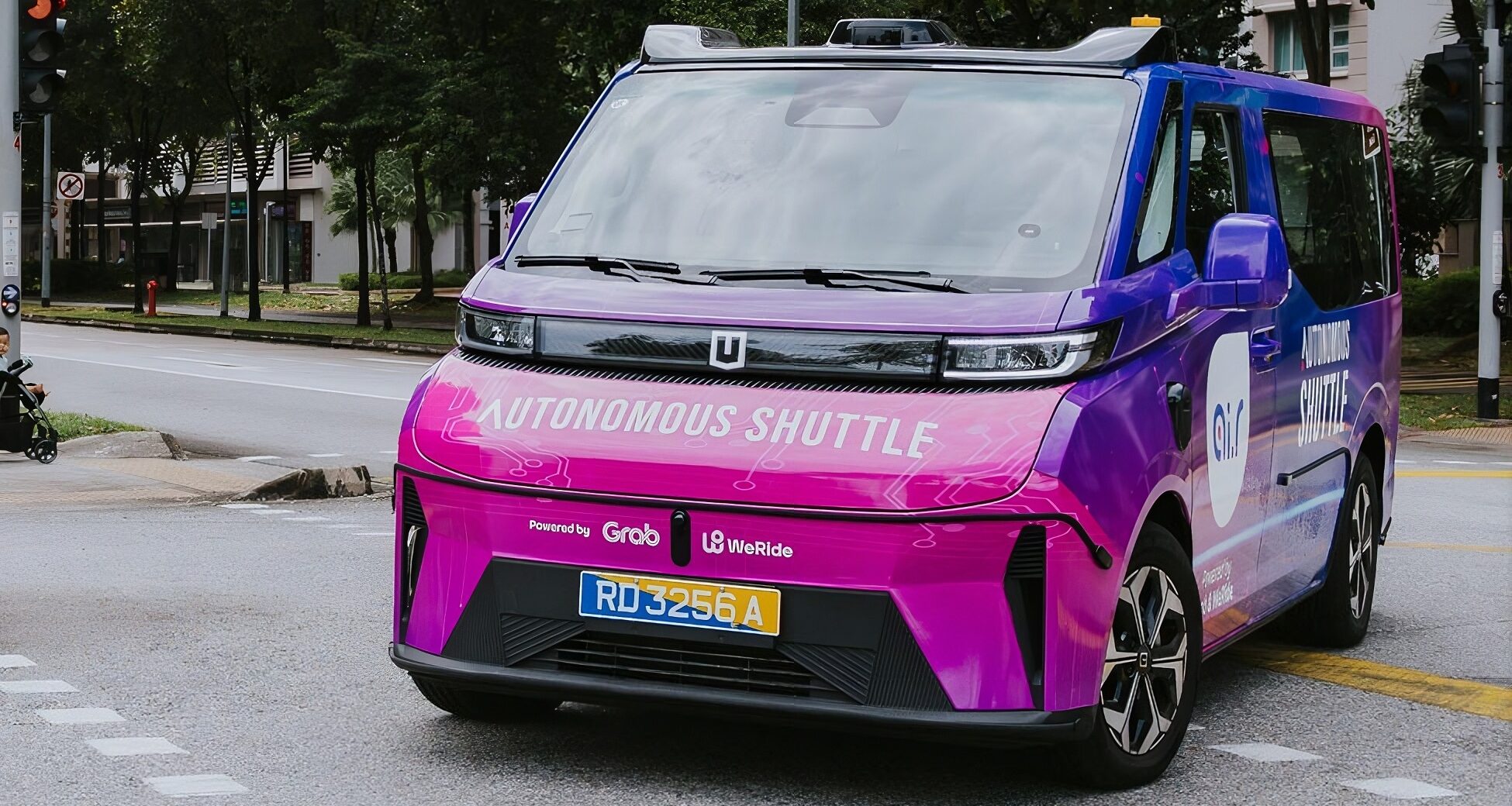
This has enabled applications that would have been implausible at earlier price points. Its recent partnership with Niu Technologies to equip a mass-market e-scooter with LiDAR is the most visible illustration of how far the addressable market has expanded. A consumer two-wheeler starting at CN¥10,000 now carries sensing technology once reserved for prototype autonomous vehicles and luxury EVs.
The LiDAR market in China is consolidating around a small group of domestic suppliers, with Hesai, Huawei, and RoboSense accounting for the dominant share. China’s regulatory push toward SAE Level 3 autonomy is accelerating OEM adoption. Q1 2026 guidance of CN¥650-700m implies a seasonal step-down, reflecting subdued early-year automotive demand in China following the end of purchase subsidies and the typical sales dip seen around the Chinese New Year.
However, Hesai’s profitability milestone matters beyond the company’s own balance sheet. It validates the commercial model of dedicated LiDAR suppliers at volume—a question that has hung over the sector since Luminar, Mobileye, and others struggled to convert automotive design wins into genuinely profitable models.
The combination of Chinese OEM demand, robotics growth, and falling per-unit costs has produced a very different trajectory for Hesai relative to its Western counterparts, and its position as Nvidia’s primary Drive platform supplier gives it a foothold in programmes that could see it take on a leading position in global markets too.
Autonomous Driving,Manufacturing,Markets,News,Software-Defined Vehicle,Stewart BurnettStewart Burnett#Hesai #posts #firstever #profit #LiDAR #shipments #pass #1.6m #units1774414858
More Stories
Pony.ai, CATL partner on first L4 electric light truck
UK lays regulations for automated passenger services
Leapmotor reveals China-only B05 Ultra at Beijing show