
BMW is seeking a minimum import price deal for its China-built Mini EVs, following the precedent set by the Cupra Tavascan. By Stewart Burnett
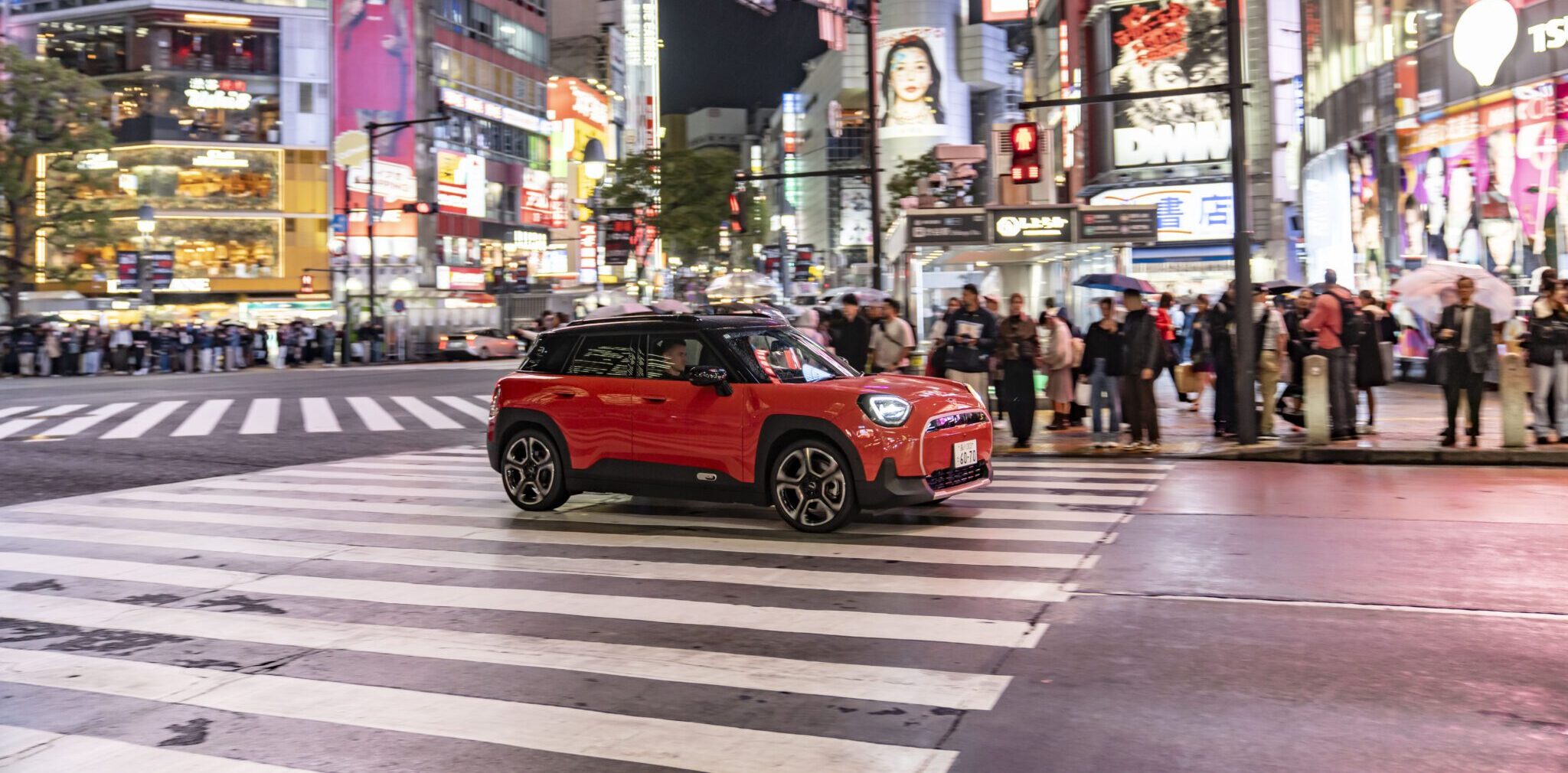
BMW is in active negotiations with the European Commission to replace import tariffs on its battery-electric Mini models—made in China—with a price minimum commitment, according to Handelsblatt. The talks cover both the electric Mini Cooper and Mini Aceman, both produced in Zhangjiagang as part of a 50-50 joint venture between BMW and Great Wall Motor.
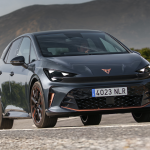
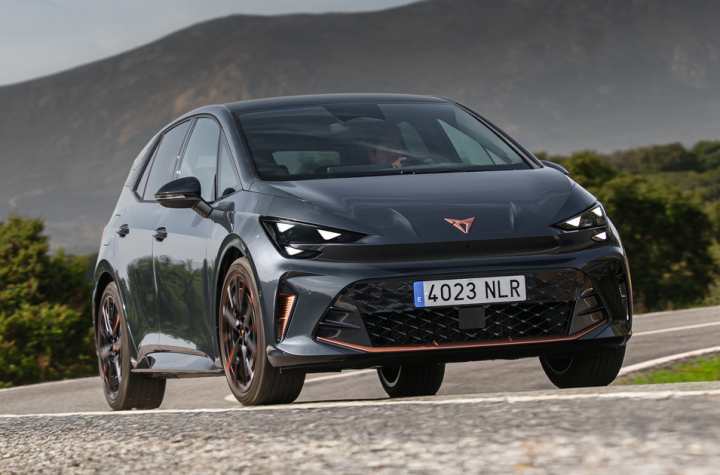
Combined with the standard 10% EU base tariff, the two models currently face a combined duty burden of around 31%. BMW appears to be following the blueprint first established by the Cupra Tavascan on 11 February, which was granted a full tariff exemption following negotiations between the EC and Volkswagen Anhui. The Tavascan was the first China-made model to secure individual relief since the duties were imposed back in October 2024.
Under that deal, Volkswagen Anhui committed to a minimum import price and an annual volume cap, alongside pledges to invest in EV-related projects within the EU. The Tavascan now faces only the standard 10% base tariff. BMW is separately challenging the tariffs through the European Court of Justice, keeping both legal and diplomatic channels open simultaneously.
The price undertaking framework was formalised in January 2026, when the European Commission published guidance allowing Chinese electric vehicle (EV) makers to submit minimum pricing proposals as an alternative to the anti-subsidy duties imposed following a year-long investigation. Each model is assessed individually, with minimum prices required to be set at levels that remove what the Commission has deemed the injurious effects of Chinese state subsidisation. Local investment commitments from automakers are also factored into evaluations, something that was acknowledged at the time of the Tavascan approval.
Thus far the price minimum mechanism appears to be tilted in favour of Western OEMs. For European brands manufacturing in China—among them Tesla, BMW and Volkswagen—the price floor typically sits well below their existing retail pricing, meaning that compliance amounts to little more than removing a punitive tax on their own offshoring. The Tavascan, for example, retailed at around €50,000 (US$59,000) before the undertaking.
For native Chinese brands whose competitive proposition has rested on affordability, however, the calculus is somewhat harder. A mandated floor could potentially eliminate the price gap that drives sales growth, and Chinese brands still lack the brand recognition and trust enjoyed by their Western counterparts. There are signs that these new players are consumer trust: a 2025 Zeekr survey found that more than a third of European consumers are more open to buying a Chinese-made model than they were a year ago.
Still, analysts think the home advantage of incumbents will remain a decisive advantage for the foreseeable future. In a September 2025 report, McKinsey noted “domestic brand loyalty remains strong”, overriding the growing perception that Chinese brands offer better cockpit and infotainment experiences than their Western counterparts.
There is one aspect of the new framework that cuts in Chinese brands’ favour. Under a tariff, the revenue flows to EU governments. Under a price undertaking, the exporter retains the additional revenue from sales. That additional profitability can be reinvested—for example, in European manufacturing, as various Chinese automakers are already preparing to do. BYD’s factory in Hungary is already in trial production and targeting 200,000 vehicles annually at full capacity. Other Chinese automakers exploring European production include Chery, Leapmotor, SAIC and Great Wall Motor. Several more are engaged in contract manufacturing, primarily with Magna Steyr.
Still, Western automakers may stand to benefit the most. For BMW, concluding a deal along the lines of the Tavascan precedent arguably represents the best of both worlds. The automaker would enjoy the reduced labour and sourcing costs associated with Chinese manufacturing, while simultaneously capitalising on its brand recognition. At a moment where European automakers are battling weakened demand both in Europe and in China, this could prove a meaningful relief.
E-Mobility,Manufacturing,Markets,News,OEMs,BMW Group,Stewart BurnettBMW Group,Stewart Burnett#Handelsblatt #BMW #seeks #price #minimums #Chinamade #Minis1772209294
More Stories
Pony.ai, CATL partner on first L4 electric light truck
UK lays regulations for automated passenger services
Leapmotor reveals China-only B05 Ultra at Beijing show