




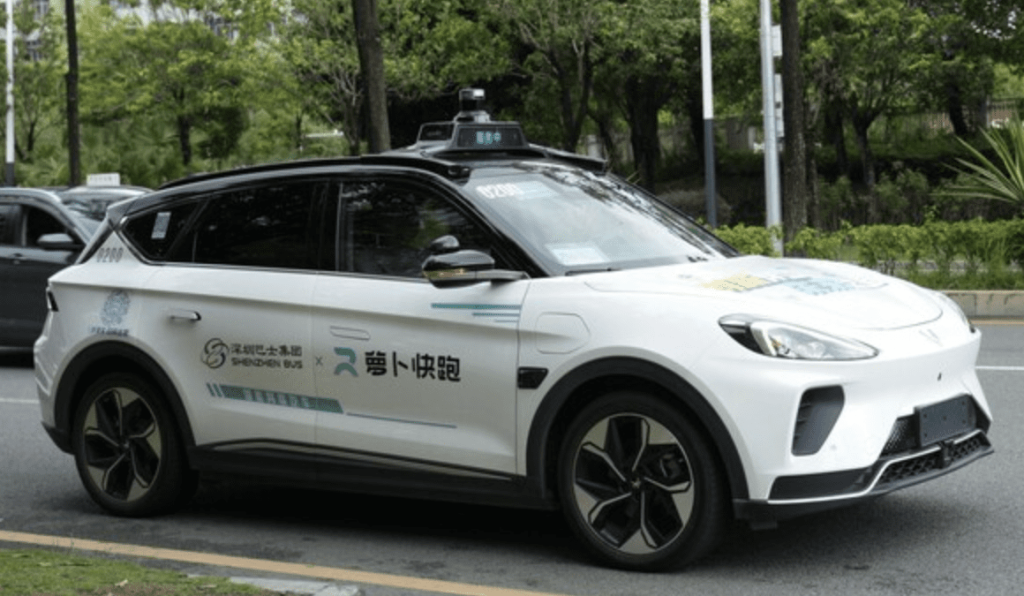
Chinese regulators have suspended the issuance of new autonomous vehicle permits following the mass stalling of more than 100 Baidu Apollo Go robotaxis on roads across Wuhan on March, Bloomberg reported on 29 April. The suspension prevents autonomous driving operators from adding any additional vehicles to their fleets, launching new test programmes, or expanding into … Continued
Chinese regulators have suspended the issuance of new autonomous vehicle permits following the mass stalling of more than 100 Baidu Apollo Go robotaxis on roads across Wuhan on March, Bloomberg reported on 29 April. The suspension prevents autonomous driving operators from adding any additional vehicles to their fleets, launching new test programmes, or expanding into new cities, with no timeline given for when licensing will resume.
The Wuhan incident drew international headlines for its sheer severity. The affected robotaxis froze simultaneously on busy roads and elevated ring roads, leaving passengers stranded inside the vehicles for up to two hours while in-vehicle emergency response systems failed to function. SOS buttons returned unavailability messages, customer service calls were automatically disconnected, and police and Baidu staff took hours to reach affected passengers.
Wuhan police attributed the outage rather ambiguously to a systems fault. Baidu, for its part, has not commented on the cause, although its customer service department cited network issues at the time. At least three collisions involving other road users encountering stationary Apollo Go vehicles were subsequently reported.
Earlier in April, three agencies including the Ministry of Industry and Information Technology convened a meeting with officials from cities running robotaxi or autonomous driving pilot programmes. Regulators called for comprehensive safety reviews—conducted by the operators themselves—and tightened oversight of intelligent connected vehicle testing. In the intervening time, these steps appear to have been upgraded into a full permit freeze.

The latest development marks at least the second occasion on which regulators have halted new approvals following a Baidu-related incident. Indeed, a similar freeze in late 2024, prompted by public protests from the general public over job displacement fears, was not lifted until early 2025.
The Wuhan failure presents a risk profile distinct from the high-speed decision errors that have defined most prior autonomous driving scrutiny. This is not the first time an autonomous driving failure has prompted action from Chinese regulators; a high-profile Xiaomi SU7 crash, operating in driver-assist mode, led to new rules on how autonomous driving technology is marketed.
Baidu’s Wuhan operations remain suspended pending investigation. Apollo Go is China’s largest commercial robotaxi operator, with more than 1,000 fully driverless vehicles deployed in Wuhan alone, 20 million cumulative rides recorded nationally as of February 2026, and active or planned commercial services in Abu Dhabi, Dubai, and Switzerland.
Shares in Baidu fell 2.8% in Hong Kong in the hours following the Bloomberg report’s publication. The impact rippled across China’s autonomous driving segment: Pony.ai dropped 5.5% and WeRide 4.7%, despite both companies confirming their existing fleets continue to operate normally and issuing statements of support for the regulatory review.
Chinese robotaxi firms have been among the most aggressive globally in pushing toward commercial-scale SAE Level 4 deployment. It remains to be seen how the permit freeze will affect these companies’ ambitious expansion plans.
Autonomous Driving,Markets,News,Software-Defined Vehicle,Stewart BurnettStewart Burnett#China #suspends #permits #Baidus #mass #outage1777473268

More Stories
Solaris to supply 101 electric buses to Stockholm fleet
Democrats urge Trump to keep China car ban as summit looms
Mercedes’ car division earnings lag behind the group