



BMW is dropping its Level 3 Personal Pilot system from the 7 Series facelift, marking the latest brand to conclude the market isn’t ready. By Stewart Burnett
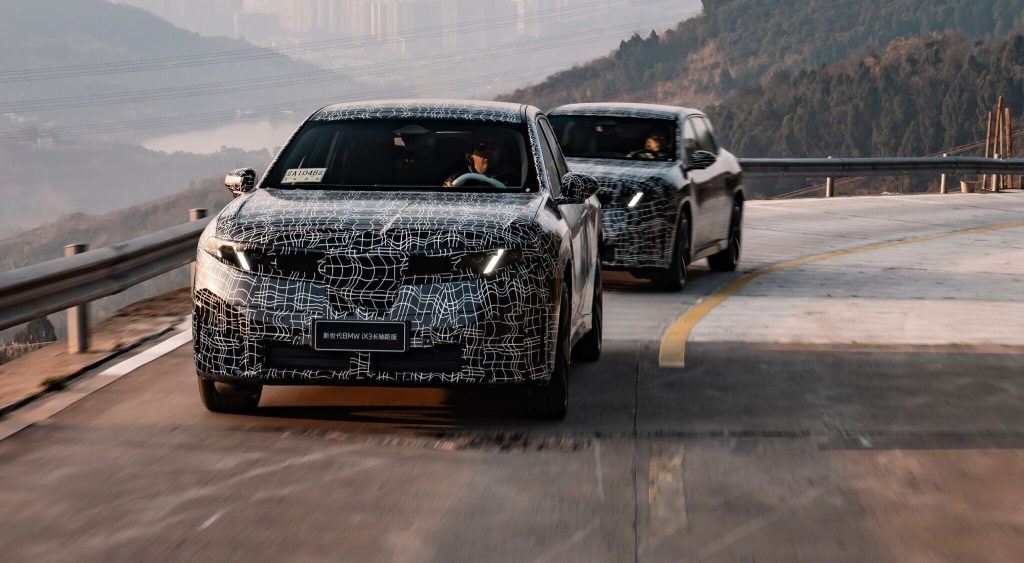
BMW has confirmed it will discontinue Personal Pilot L3—its SAE Level 3 autonomous driving system—as part of the 7 Series facelift expected in late April 2026. According to German outlet Automobilwoche, it will be replaced by a new SAE Level 2++ advanced driver assistance system (ADAS) first introduced on the iX3, slashing the cost of autonomy on the 7 Series from €6,000 (US$7,100) to around €1,450.
The new system, dubbed the Motorway Assistant, permits hands-off driving at speeds of up to 130 km/h but requires the driver to remain visually attentive, making it essentially a hands-off, eyes-on configuration. By contrast, the Level 3 system maxed out at around 60 km/h albeit with a higher degree of autonomy.
The Motorway Assistant can change lanes automatically with a glance from the driver for confirmation, and has received DCAS certification for deployment in 60 countries. A City Assistant function, enabling automatic stops at red lights and subsequent acceleration, is also available, with further urban driving capabilities to be added via over-the-air updates.
The rationale for abandoning Personal Pilot L3 is straightforward. The system required expensive LiDAR sensors, was restricted to approved motorways, and was capped at 60 km/h: conditions that rarely materialise in ways that justify the premium. Uptake among 7 Series buyers was predictably quite limited as a result, and the unit economics did not support continued development at a price point the market would accept.
BMW’s departure follows compatriot premium brand Mercedes-Benz’ own pivot away from SAE Level 3. MB quietly shelved its Drive Pilot Level 3 system for the facelifted 2026 S-Class in favour of its own Level 2++ MB.Drive Assist Pro—a more capable hands-on system covering complex urban scenarios. Mercedes has redirected its engineering resources toward a future Level 3 system capable of operating at motorway speeds, and a Level 4 prototype already undergoing public road trials in Abu Dhabi.
Stellantis made a similar retreat in August 2025, shelving its AutoDrive Level 3 programme despite declaring it deployment-ready just six months earlier. Like Mercedes-Benz, it cited limited demand as the reason but kept the door open to reintroducing it in future. However, sources told Reuters at the time that the cancellation was permanent rather than a postponement.
Ford stands as the most notable exception to the trend, announcing in January 2026 that it intends to deploy a Level 3 system in 2028 on its new universal EV platform. Initially the technology will be available as an optional add-on to a midsize electric pickup priced around US$30,000. Ford is developing the technology in-house using LiDAR to reduce supplier dependency and keep costs manageable, with pricing structures yet to be confirmed.
General Motors has outlined a comparable plan for eyes-off driving beginning in 2028 on the Cadillac Escalade IQ. With sticker prices expected to come in around US$125,000, however, that vehicle targets a very different buyer than Ford’s budget pickup.
Autonomous Driving,News,OEMs,Software-Defined Vehicle,BMW Group,Stewart BurnettBMW Group,Stewart Burnett#BMW #drops #Level #ADAS #industry #backing #ebbs1771932737

More Stories
Pony.ai, CATL partner on first L4 electric light truck
UK lays regulations for automated passenger services
Leapmotor reveals China-only B05 Ultra at Beijing show