


Waymo is finally confident enough in the safety of its technology to begin trimming down the number of sensors it uses. By Stewart Burnett
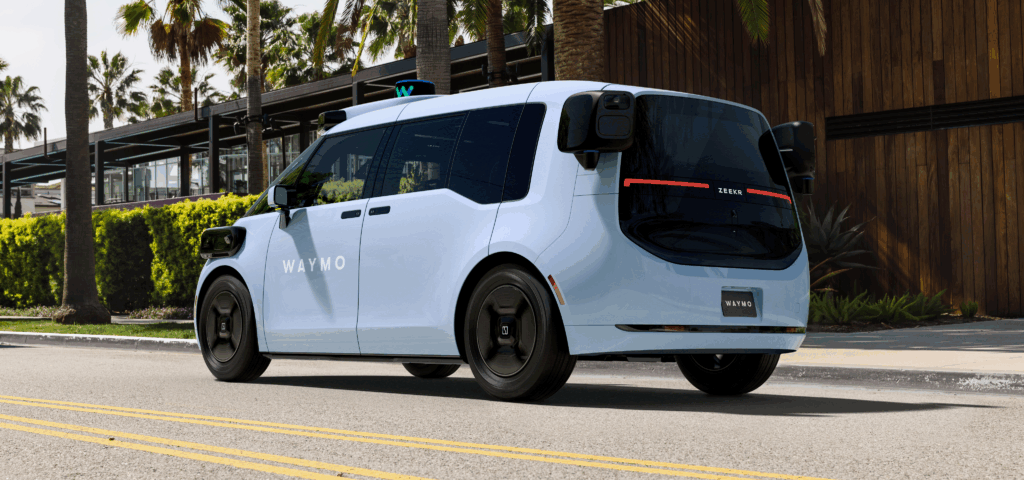
Waymo confirmed it has begun using its sixth-generation Waymo Driver for fully-autonomous driving operations, deploying a streamlined sensor suite that cuts the number of sensors in its perception system by 42% while still improving capabilities. The latest system uses 13 cameras down from 29, four LiDARs down from five, and six radar units, marking a departure from the company’s previous hardware-intensive approach.
In the announcement, Vice President of Engineering Satish Jeyachandran claimed the latest system represents the sum of Waymo’s work to date: over a decade of technology development including seven years of service, and nearly 200 million fully autonomous miles accrued across over 10 major US municipalities as well as an expanding number of freeways. He noted: “Our experience as the only company operating a fully autonomous service at this scale has reinforced a fundamental truth: demonstrably safe AI requires equally resilient inputs.”
The sixth-generation Driver features a 17-megapixel imager that Waymo describes as a generation ahead of other automotive cameras on a variety of fronts, including resolution, dynamic range and low-light sensitivity. The LiDAR system leverages advancements in cost-efficiency over the last five years—indeed, automotive-grade LiDAR has come down in price by around 75% since 2021. The technology has also improved, and Waymo now uses custom-designed chips and optical components built in California.
The overall cost reduction is substantial, with the sixth-generation Driver expected to cost less than US$20,000 per unit on top of vehicle costs according to Electrek. If true, this would mean that Waymo has effectively cut the price by more than 50% compared to the fifth-generation system. Waymo designed the system to be adaptable across various vehicle form factors, and currently it runs on the Zeekr RT (rebranded as the Ojai for Waymo deployments in Western markets) and the Hyundai Ioniq 5.
Co-Chief Executive Tekedra Mawakana defended Waymo’s multi-sensor approach against Tesla’s camera vision-only system during a Bloomberg interview earlier this week, saying “our approach is what allowed us in October 2020 to remove the human driver from behind the wheel”. She acknowledged the importance of cost when scaling operations and notably did not rule out further trimming the sensor stack in future, but emphasised that this is conditional on safety being demonstrated first. “How do you know what the investment model for the business is when you haven’t achieved the safety bar?”
Meanwhile, production is ramping up quickly at Waymo’s autonomous vehicle factory in Metro Phoenix, and the company expects to soon hit an annual capacity in the tens of thousands. Currently, the Alphabet unit operates fully autonomous commercial service in six US cities and plans to open service in Washington, Detroit, Las Vegas, San Diego, Denver, Dallas, Houston, San Antonio and Orlando in 2026. The company’s first overseas expansions are also currently underway in London and Tokyo.
Autonomous Driving,News,Software-Defined Vehicle,Stewart BurnettStewart Burnett#Waymos #6thgen #Driver #live #sensors1770996794
More Stories
Pony.ai, CATL partner on first L4 electric light truck
UK lays regulations for automated passenger services
Leapmotor reveals China-only B05 Ultra at Beijing show