


Waymo has been busy training local police on how to handle autonomous vehicles operating on Nashville roads. By Stewart Burnett
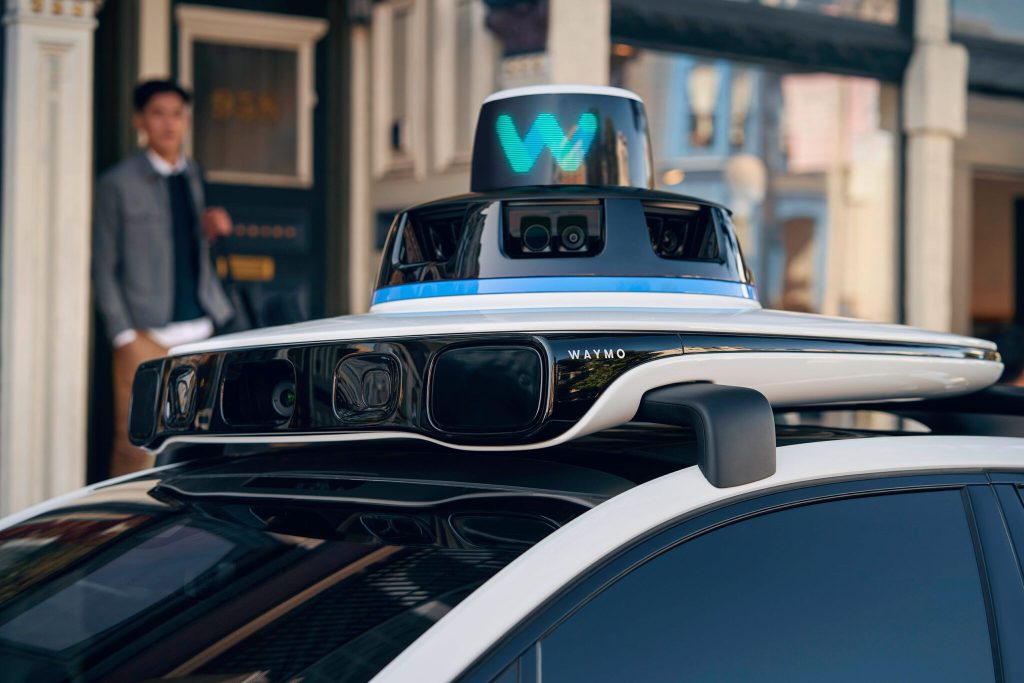
Waymo has removed human safety drivers from its autonomous test vehicles in Nashville, marking the latest step as it gears up to launch its first robotaxi service in the state of Tennessee. The Alphabet-owned autonomous driving unit announced the development on 10 February, ramping up operations as the robotaxi race heats up in the US.
Waymo is slated to launch a commercial robotaxi service in Nashville this year in partnership with Lyft, marking the first deployment of driverless taxis on the ride-hailing firm’s network. At the outset riders will hail rides directly through the dedicated Waymo One app, but over time the service will expand to allow access through the Lyft app as operations grow. From its side, Lyft will handle fleet services including vehicle readiness and maintenance, charging infrastructure and depot operations via its wholly-owned subsidiary Flexdrive.
The company follows the same rollout strategy in every new market, starting with a small fleet of manually driven vehicles to map out the city before testing autonomous vehicles with human safety operators. Waymo eventually conducts driverless testing, often allowing employees to hail rides, before launching public robotaxi services. The company today operates commercial services in Atlanta, Austin, Los Angeles, Miami, the San Francisco Bay Area and Phoenix, with driverless test fleets in Dallas, Houston, San Antonio and Orlando. Several of these services are operated by Uber in a manner similar to the Lyft partnership.
At the time of writing, Waymo has a fleet of more than 2,500 vehicles across its operating cities and last week raised US$16bn in a fundraising round that valued it at US$126bn, nearly tripling its valuation in less than two years and placing it beyond most global automakers. However, competition is brewing with Tesla making robotaxis a core priority for the company; other US players include May Mobility, Amazon’s Zoox, and Nuro.
Earlier in February, Metro Nashville Police officers received training on how Waymo’s robotaxis respond to lights, sirens and yielding to first responders, with more guidance going out to all officers in the near future. When a Waymo detects lights from a police car or emergency vehicle, it will pull over and stop when it finds a safe place, and company representatives have confirmed with law enforcement that its vehicles may continue autonomous operations during traffic stops.
The Nashville launch comes as Waymo faces federal safety investigations following multiple incidents, particularly around school districts. The National Highway Traffic Safety Administration and National Transportation Safety Board are both probing incidents in which Waymo vehicles failed to stop for parked school buses in Austin and Atlanta, violations that have prompted two voluntary recalls of its software in as many months.
A separate probe was opened after a Waymo robotaxi struck a student in Santa Monica, California, last week. Waymo has rejected demands from school districts to cease operations in school districts during school hours, maintaining that its technology is substantially more safe than a human driver in equivalent situations.
Autonomous Driving,Markets,News,Software-Defined Vehicle,Stewart BurnettStewart Burnett#Waymo #removes #safety #drivers #Nashville #testing #ramps1770770104

More Stories
Pony.ai, CATL partner on first L4 electric light truck
UK lays regulations for automated passenger services
Leapmotor reveals China-only B05 Ultra at Beijing show