



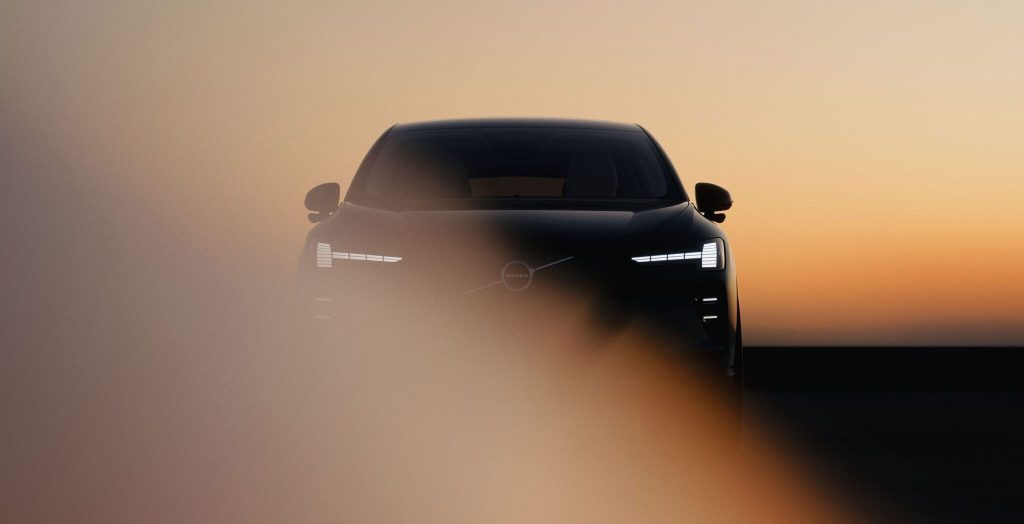
The EX60 has beaten order forecasts across Europe; its US reception will test whether Volvo’s EV conviction can survive hostile policymaking. By Stewart Burnett
Volvo Cars will proceed with plans to begin US production of a new electric vehicle (EV) in late 2026 as scheduled, Chief Executive Hakan Samuelsson told Nikkei, despite the headwinds created by the removal of federal EV tax credits and a backsliding local market. “There must be a lot of customers who maybe want to have something different than Tesla,” Samuelsson said.
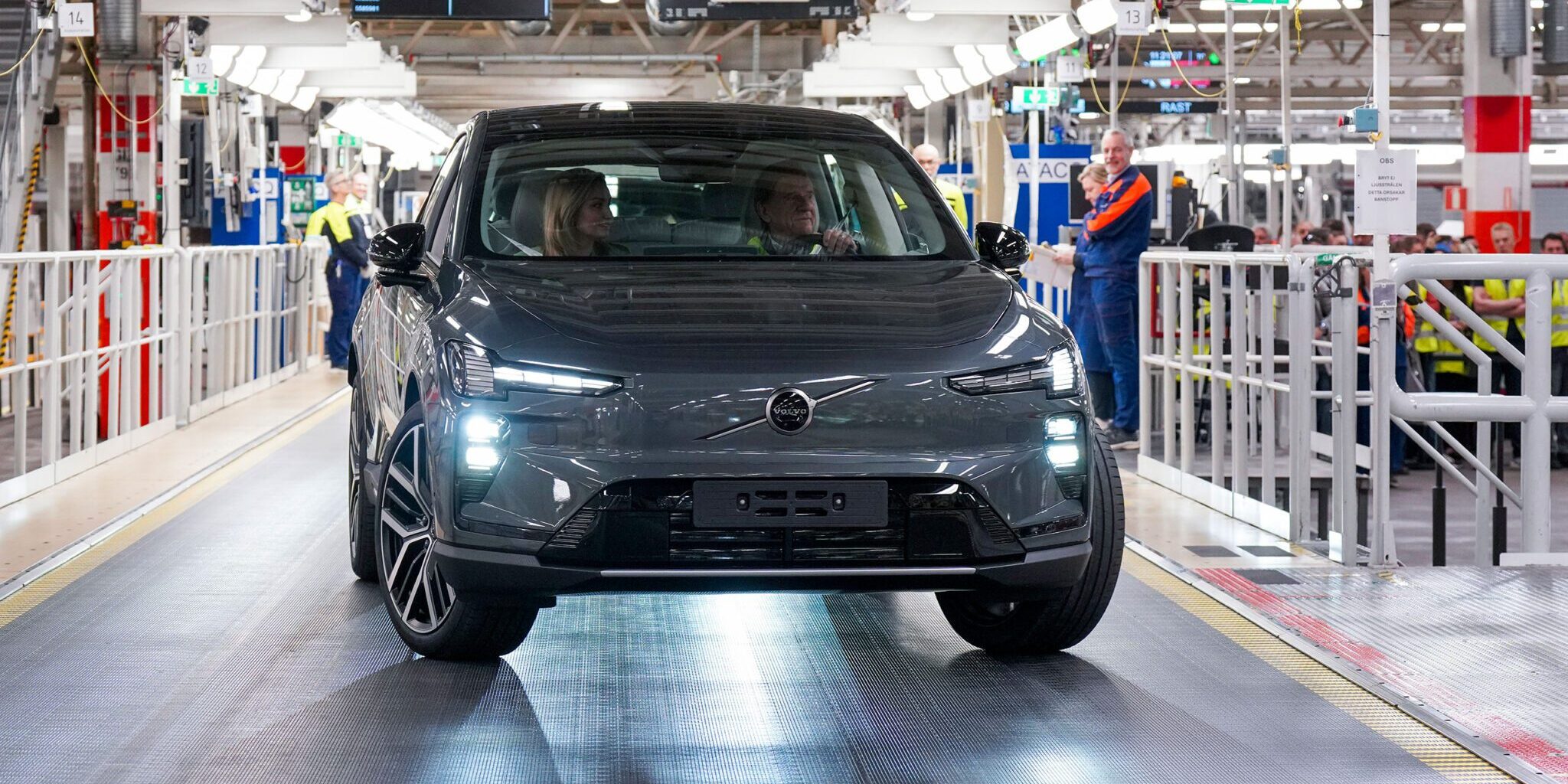
Production of the EX60 began at Volvo’s Torslanda plant in Gothenburg on 22 April. The midsize SUV offers up to 810 kilometres of range on European test cycles, charges from 10% to 80% in 16 minutes via a 400kW charger, and is priced in line with the XC60 plug-in hybrid it sits alongside. This relatively unusual price parity—large batteries tend to add significantly to manufacturing costs—was achieved through megacasting and cell-to-body battery integration. European customer deliveries begin this summer; US and Asian order books are expected to open later this spring.
European demand has substantially exceeded Volvo’s internal forecasts. Nearly all major European markets reported orders above expectations at launch, with Sweden alone generating more than 3,000 binding orders within a month of the January reveal. The automaker has since revised production plans upward and is seeking to keep Torslanda open an extra week this summer, marking the first time in its history that such an arrangement has been deemed necessary.
The US context is, unfortunately, a great deal less favourable. Volvo’s global sales fell 11% year-on-year in Q1 2026, and the company posted a net loss of SEK 2.9bn (US$313m) for 2025 following a 68% fall in Q4 profit. In March, it confirmed the discontinuation of the EX30 in the US after the model’s production shift from China to Belgium—forced by Biden-era tariffs—raised its entry price from a projected sub-US$35,000 to over US$41,000, at which point it sold just 5,409 units across all of 2025. The removal of the federal EV tax credit in September 2025 did little to help.
Despite Volvo demonstrating more EV conviction than many of its global peers, Samuelsson has been pragmatically adjusting the automaker’s longer-term electrification target In September 2024, Volvo abandoned its goal of being fully electric by 2030, replacing it with a target of at least 90% electrified—EVs and plug-in hybrids combined—by that year. Considering the substantial backsliding on electrification goals from most Western automakers—especially the Detroit Three—in recent months, this softening seems very moderate by contrast.
Samuelsson also told Nikkei that Volvo plans to develop a “second-generation hybrid” specifically for the US by 2030; a vehicle that, as he described, “drives like an electric but with a backup engine”. He characterised the planned vehicle as a response to US market preference moreso than a retreat from electrification. Volvo currently sells mild hybrids and plug-in hybrids; this would presumably be an extended-range offering.
As it stands, EX60 is the product Volvo needs to generate sufficient US volume to justify the commitment. Its technical specifications are legitimately competitive, with range and charging speeds that exceed most rivals at its price point, and its European order momentum provides some evidence that the vehicle can find buyers. Unfortunately, the US environment is appreciably less forgiving: tariffs on European imports currently sit at 15%, the affordable EX30 entry point has been removed, and California’s EV market share fell to 13.7% in Q1, its lowest since 2021.
Samuelsson remained cautiously optimistic about the impact of rising fuel prices following the Iran conflict. “Customers all over the world have been reminded that a gasoline car maybe is not the right alternative,” he said. For Volvo, higher pump prices arriving as the EX60 reaches US showrooms could provide a demand tailwind the policy environment alone is not currently generating.
E-Mobility,Manufacturing,Markets,News,OEMs,Geely,Stewart BurnettGeely,Stewart Burnett#Volvo #holds #market #conditions #turn1777024671


More Stories
Pony.ai, CATL partner on first L4 electric light truck
UK lays regulations for automated passenger services
Leapmotor reveals China-only B05 Ultra at Beijing show