




Five years after its formation, Stellantis is developing a hierarchical structure for its portfolio of automotive brands. By Stewart Burnett
Stellantis reportedly plans to direct the majority of its investment towards four core brands—Jeep, Ram, Peugeot, and Fiat—under Chief Executive Antonio Filosa’s highly-anticipated industrial plan, due to be presented in Detroit on 21 May. Sources told Reuters that the other ten brands in the group’s portfolio, including Citroen, Opel, and Alfa Romeo, will receive funding to develop models using platforms and technology largely originating from the core four.
These ‘tier two’ brands will be repositioned as regional or national brands in markets where they already have presence or strong potential for growth. Filosa has explicitly rejected closing any brands outright, describing them as potentially useful should market conditions evolve.
Under his predecessor Carlos Tavares, investment was spread more evenly across the Stellantis portfolio; the new plan marks the first formal acknowledgement of a brand hierarchy within the group since its 2021 formation. The plan has the backing of major investors including top shareholder Exor.
Options being considered for lower-volume brands include building on shared platforms, adding distinctive external design and handling tuning to create brand differentiation, and rebadging models for specific local markets. In other words, the brand distinctions would be relatively superficial as Stellantis moves towards more unified vehicle architectures, matching a trend seen at other global automakers like Ford.
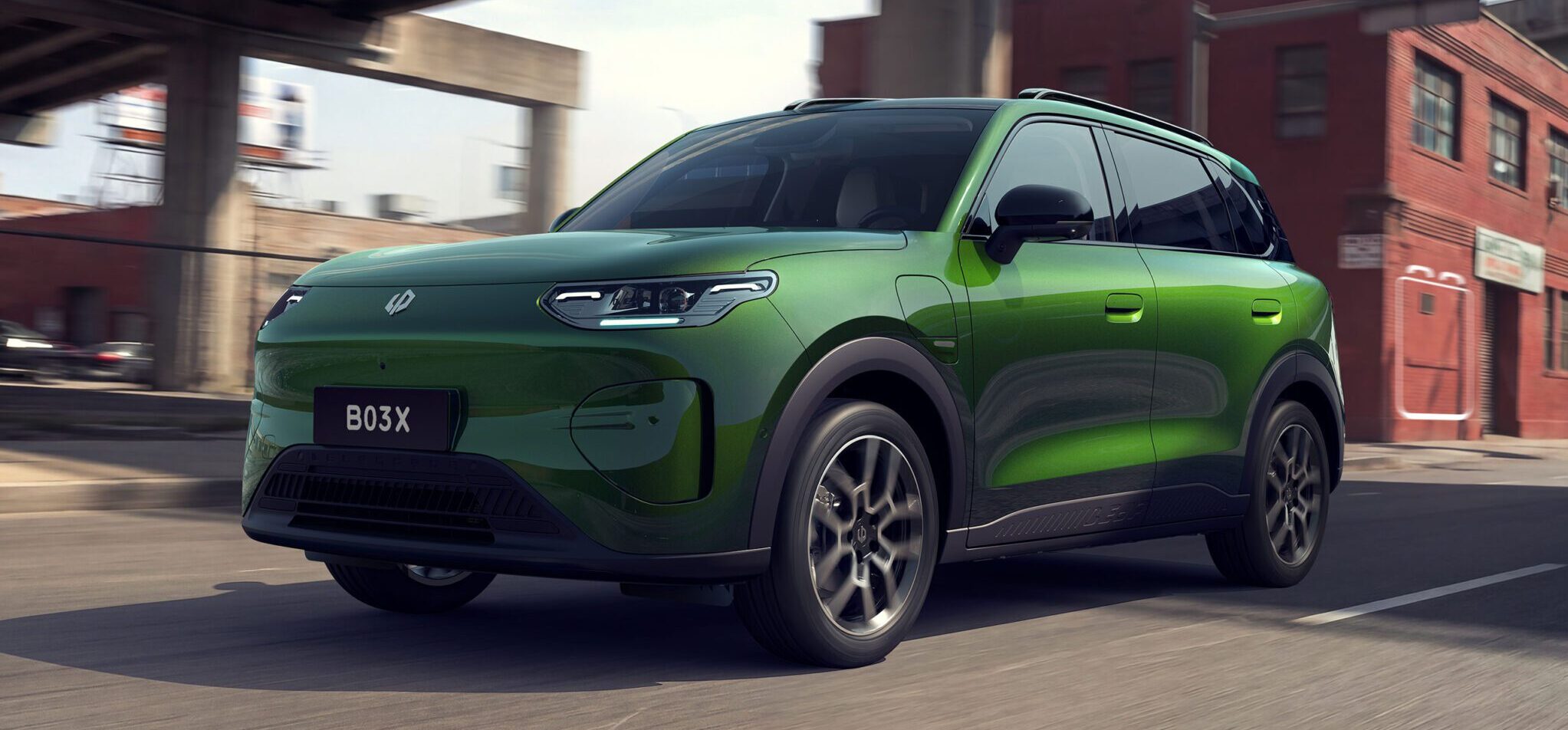
Recent reports regarding advanced discussions with Leapmotor—which is minority-owned by Stellantis—to develop an Opel-branded electric SUV on a Chinese platform could serve as an early indication of how this model might work in practice. Leapmotor has emerged as a bright spot for Stellantis in the last year, with strong sales across Europe and China and joint manufacturing plans at the Zaragoza plant in Spain on the docket for 2026.
Stellantis holds between 15-20% of Leapmotor shares, and a majority 51% stake in Leapmotor International, the arm which controls overseas sales. It remains to be seen where exactly the Chinese electric vehicle brand would land among Stellantis’ brand hierarchy. More broadly, the automaker is leaning further into partnerships for its electrification and software ambitions; a separate five-year partnership with Microsoft serves as a confirmed example of this.
Separately, Stellantis has identified four European factories it may sell or share as it addresses surplus manufacturing capacity, Bloomberg reported on 23 April, citing people familiar with the situation. The plants are understood to include sites in Rennes, Madrid, and central Italy. Representatives from China’s Dongfeng Motor toured the Rennes and Madrid facilities earlier in April, with visits also taking place at Stellantis sites in Italy and Germany.
Chery has also expressed a recent preference for using existing capacity in Europe rather than building new plants—a position that aligns with what Stellantis presently has available. In a statement to Bloomberg, Stellantis confirmed it holds discussions with a range of industry players as part of normal business activity, without commenting on the specific reports.
The French plant in Poissy, which Stellantis announced last week would cease automobile production, is not among the four sites under consideration for sale or partnership; it is being converted to parts manufacturing and vehicle dismantling, retaining around 1,000 of its current 2,000 jobs.
E-Mobility,Manufacturing,Markets,News,OEMs,Software-Defined Vehicle,Stellantis,Stewart BurnettStellantis,Stewart Burnett#Stellantis #focuses #investments #Jeep #Ram #Peugeot #Fiat1777033247

More Stories
Pony.ai, CATL partner on first L4 electric light truck
UK lays regulations for automated passenger services
Leapmotor reveals China-only B05 Ultra at Beijing show