


Georgia attracted more IRA green energy investments than any other state, and stands to suffer the most from pro-fossil fuels Trump policy. By Stewart Burnett
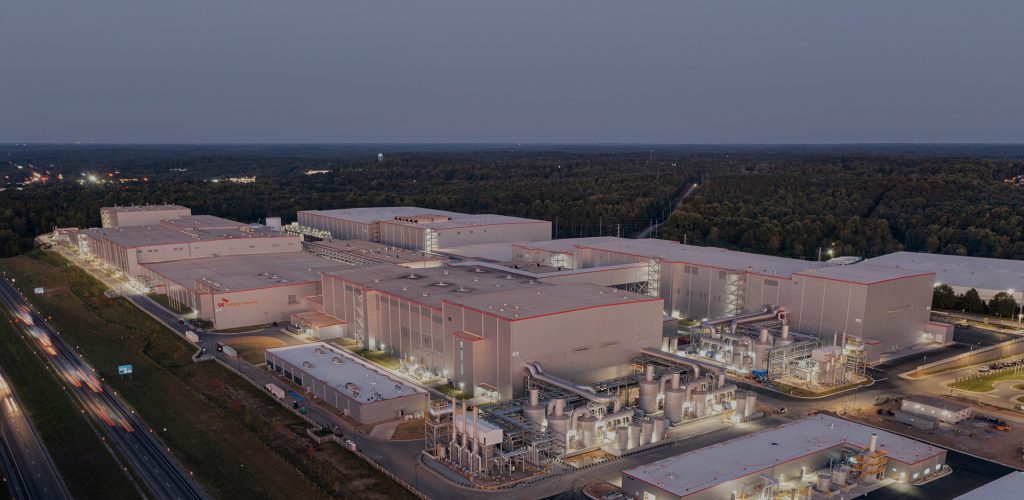
SK Battery America has announced the lay-off of 958 workers at its plant in Commerce, Georgia plant on 6 March, reducing its workforce by 37% to roughly 1,600 employees. The plant, which opened in January 2022 at a cost of US$2.6bn, had supplied cells for the Ford F-150 Lightning, a model the automaker cancelled in December 2025.
The cuts come just months after the December dissolution of SK’s US$11.4bn battery joint venture with Ford, which left SK with a KRW3.7tr (US$2.6bn) asset impairment and a Tennessee plant not expected to begin production until 2028. Cognisant that regulations have sent electric vehicle (EV) demand moving backwards in the US, SK Battery America said it is now expanding into the battery energy storage system (ESS) market.
There are no signs of a meaningful reversal in EV demand until at least 2028. Congress eliminated the US$7,500 consumer EV tax credit in September 2025, and the Trump administration has moved to weaken fuel economy and emissions standards, removing the regulatory incentive for automakers to commit to electrification timelines. US EV penetration held flat at around 8% of new vehicle sales in 2025—while demand was stronger in the first nine months, this was effectively cancelled out by the subsequent crash from October onwards.
The layoffs may hold some political significance in Georgia, a state that has fluctuated between voting for republicans and democrats since 2018. Other steps to roll back EV policy have specifically affected only those interested in buying one, or the automakers and suppliers involved in their production.
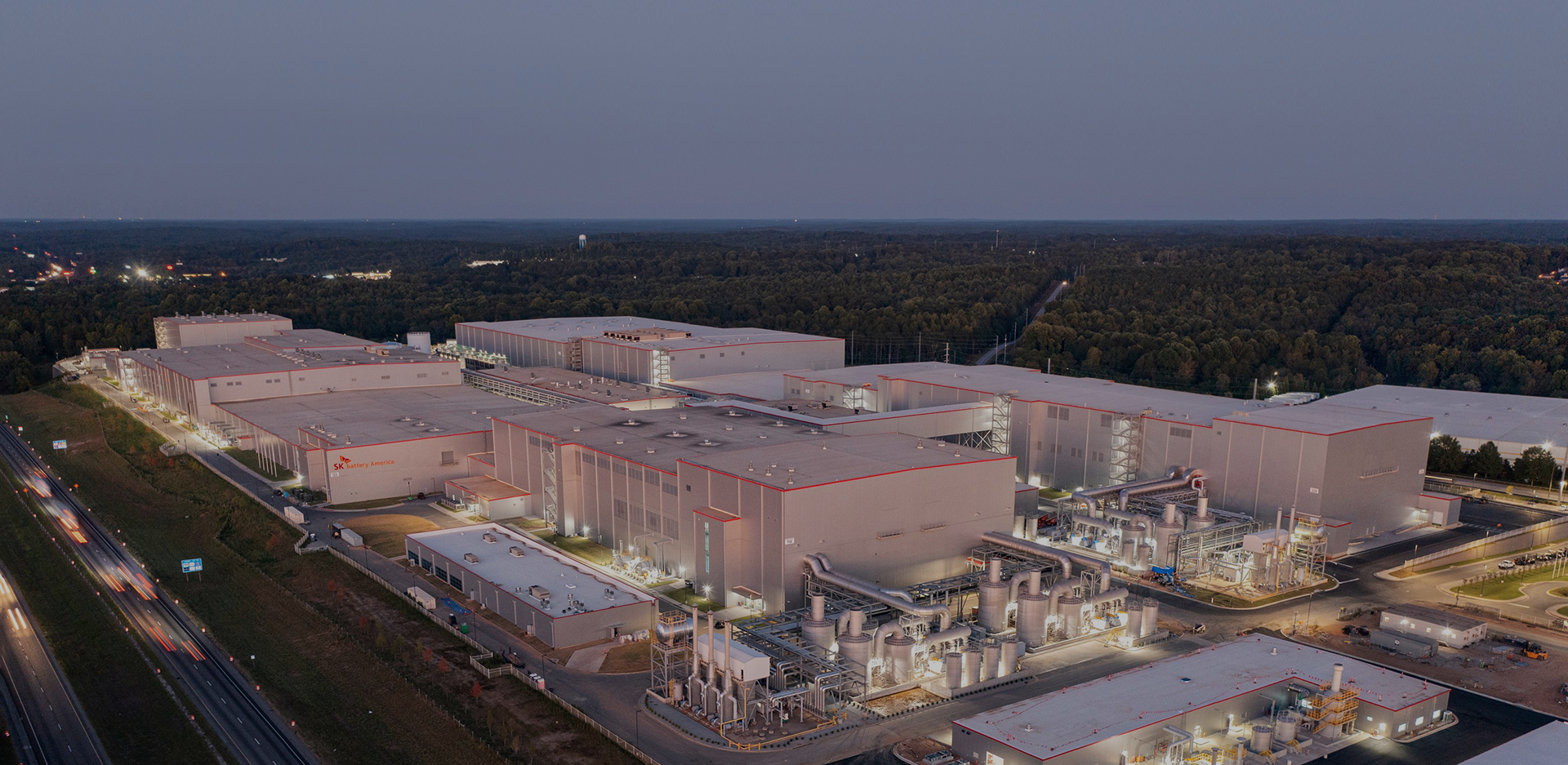
However, the SK layoffs are a direct consequence of federal policy, and arguably an inconvenient one for a state that attracted more Inflation Reduction Act (IRA)-related green investment projects than any other. The fate of a Rivian plant in Georgia, granted IRA loans in the final days of the Biden administration, also appears a little unsteady. Despite President Donald Trump’s vocal support for US manufacturing, the SK layoffs serve as a direct counterexample that could lead to blowback in the upcoming midterms.
To be sure, SK is not retreating entirely. A second Georgia plant, built jointly with Hyundai, is on track to begin production in the first half of 2026, and the Tennessee facility retains the option to supply both automotive and ESS cells. The pivot toward energy storage—also being pursued by LG Energy Solution and Samsung SDI—is emerging as the Korean battery industry’s primary hedge against the collapse of US EV demand. Whether the ESS market is large enough to accommodate a pivot from all three of these players remains to be seen.
SK On already faces steep challenges around profitability, posting an operating loss of KRW 441.4bn in the fourth quarter of 2025. The Ford JV dissolution, while painful on paper, removed KRW 5.4tr in debt from the balance sheet and freed SK to pursue new customers without JV governance constraints. The company secured at least one major ESS supply deal and a Nissan battery agreement in 2025; the Georgia headcount reduction is the operational consequence of that pivot being underway in earnest.
E-Mobility,Manufacturing,Markets,News,Stewart BurnettStewart Burnett#trims #Georgia #workforce #demand #cools1773057881

More Stories
Pony.ai, CATL partner on first L4 electric light truck
UK lays regulations for automated passenger services
Leapmotor reveals China-only B05 Ultra at Beijing show