




India leveraging its abundant supplies of raw lithium and nickel could help it and other countries to break free of dependence on China. By Stewart Burnett
India’s plans to establish a local electric vehicle battery supply chain continue: the country reportedly intends to offer a 15% capital subsidy for companies establishing lithium and nickel processing plants. According to sources and documents reviewed by Reuters, the incentive scheme targets eligible investments from 1 April 2026 onwards, with subsidies available for five years and capped at 40% of annual net sales turnover for lithium facilities and 25% for nickel operations.
The programme aims to accelerate India’s ambitious transition away from fossil fuel dependency, as well as its reliance on imports. At the time of writing, New Delhi aims for 30% EV adoption among cars, and 80% for two-wheelers, by 2030. In 2025, market penetration stood at 4% and 6% respectively.
The Indian government also sees the green transition as an opportunity to bolster its domestic manufacturing and minerals processing capabilities. Currently the country is sorely lacking domestic processing capacity for battery materials, and is reliant on neighbour and rival China for these. The country identified more than 20 minerals, including lithium, as “critical” for its energy transition efforts in 2023, and has subsequently approached several countries to seek technical collaborations on lithium processing.
Under the proposed framework, qualifying lithium processing plants must demonstrate a minimum capacity of 30,000 metric tons, while nickel facilities require at least 50,000 tons. Subsidies would be disbursed in stages subject to minimum plant utilisation targets established by the government, with the programme initially targeting two lithium and two nickel projects to meet demand by 2030. One of Reuters’ sources characterised the 15% capital subsidy as “realistic”, given the capital intensity and technical complexity of mineral processing operations.
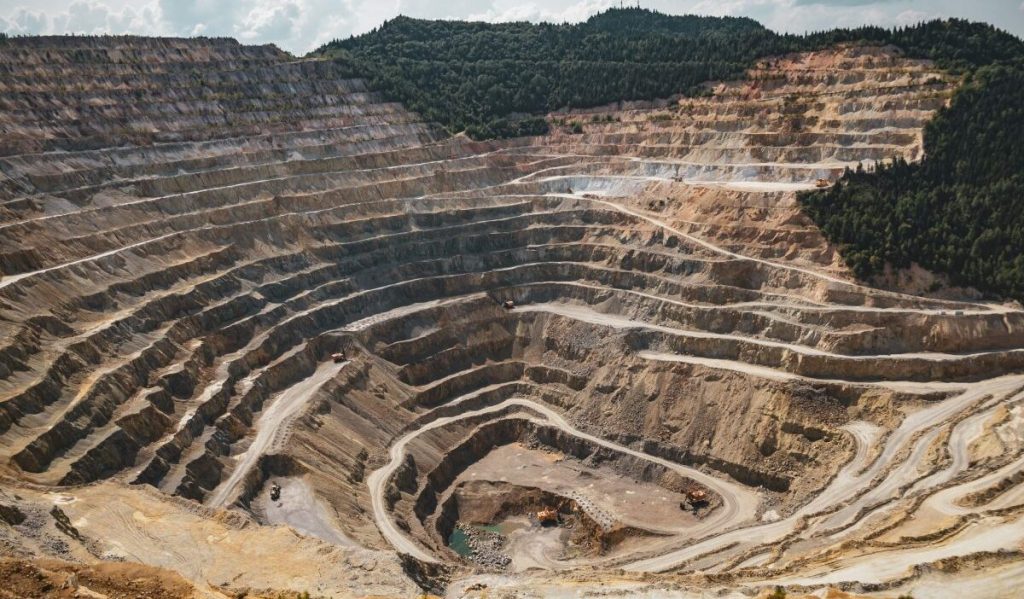
The incentive scheme follows India’s discovery of 5.9m tonnes of inferred lithium resources in Jammu and Kashmir’s Reasi district, which was formally announced back in 2023. This is considered a game-changer for several reasons, perhaps the most obvious being that it breaks India’s near-100% reliance on China for battery imports. This could prove highly advantageous for other countries looking to diversify their EV supply chains beyond China too. Notably, the recent “mother of all deals” trade agreement between the EU and India includes the establishment of a €500m (US$596m) cooperation framework for climate action.
Additional reserves identified in Rajasthan’s Nagaur district are believed to exceed the Jammu and Kashmir deposits. However, domestic mining development has progressed slowly, with the Jammu and Kashmir reserves already facing two scrapped auctions due to insufficient bidder interest stemming from inadequate geological data.
E-Mobility,Manufacturing,Markets,News,Stewart BurnettStewart Burnett#Reuters #India #plans #supply #chain #incentive #scheme1769726331

More Stories
Pony.ai, CATL partner on first L4 electric light truck
UK lays regulations for automated passenger services
Leapmotor reveals China-only B05 Ultra at Beijing show