

After years of missed targets, Jensen Huang declares the “ChatGPT moment” of AVs has finally arrived. By Megan Lampinen
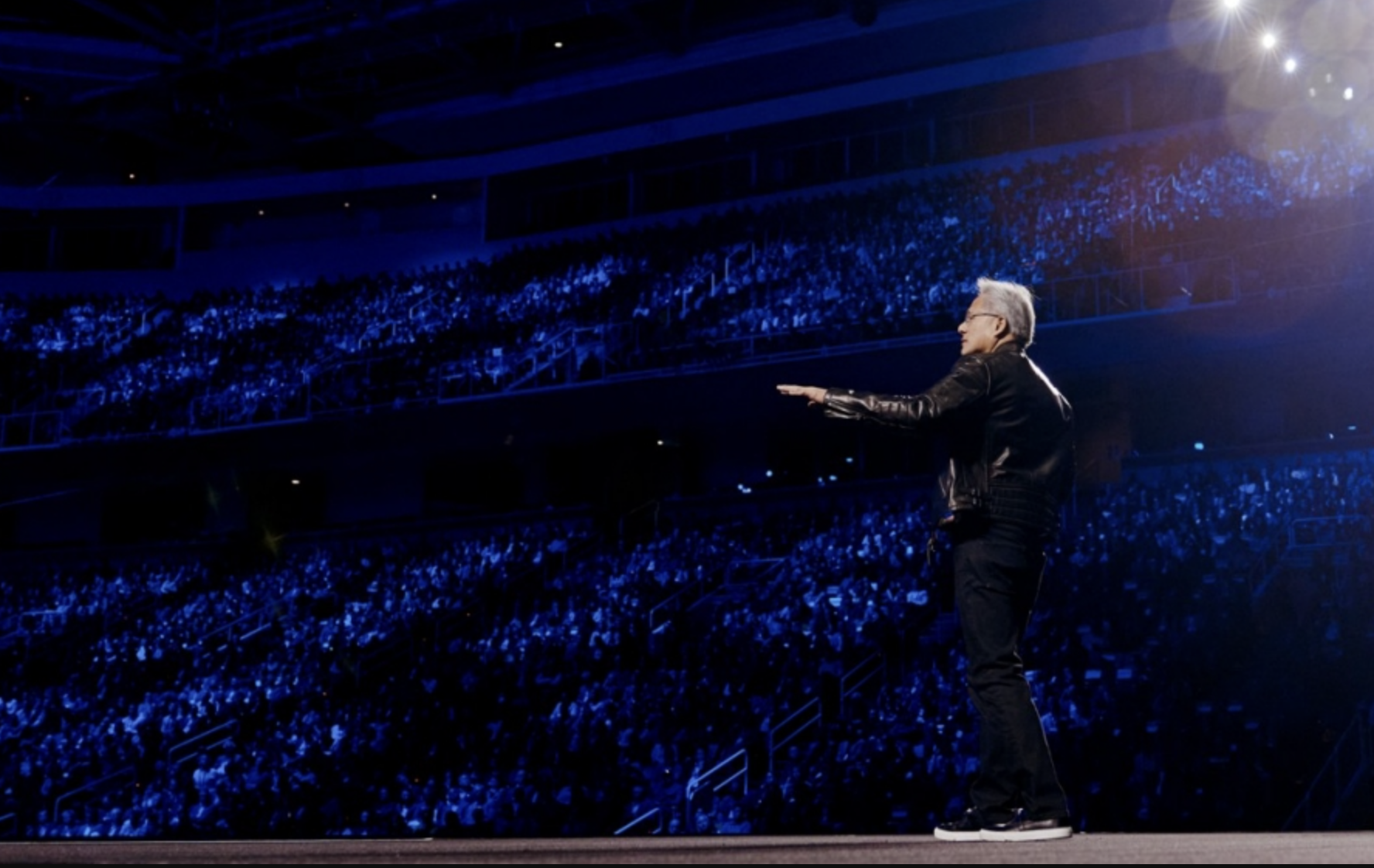
Jensen Huang says the age of robotaxis is upon us, and when Huang makes predictions, the industry listens. Speaking to a massive crowd at the annual GTC conference in California, Nvidia’s Chief Executive shared his outlook for Physical AI, what this looks like in vehicles, and how the company will turn vision into commercial success.
“The ChatGPT moment of self-driving cars has arrived,” Huang told attendees. “We now know we can successfully autonomously drive cars, and today we are announcing four new partners for Nvidia’s robotaxi-ready platform.”
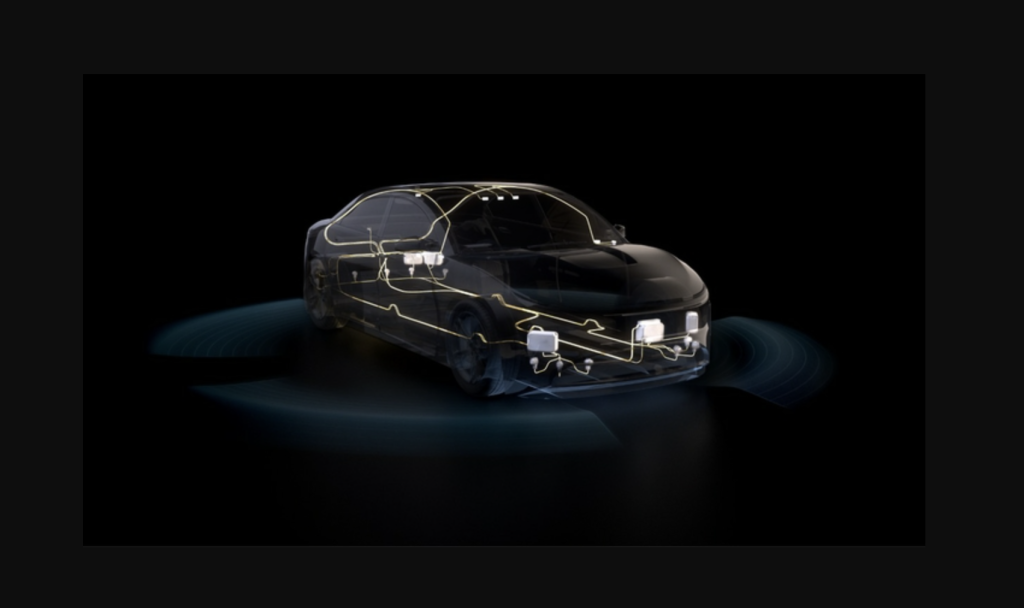
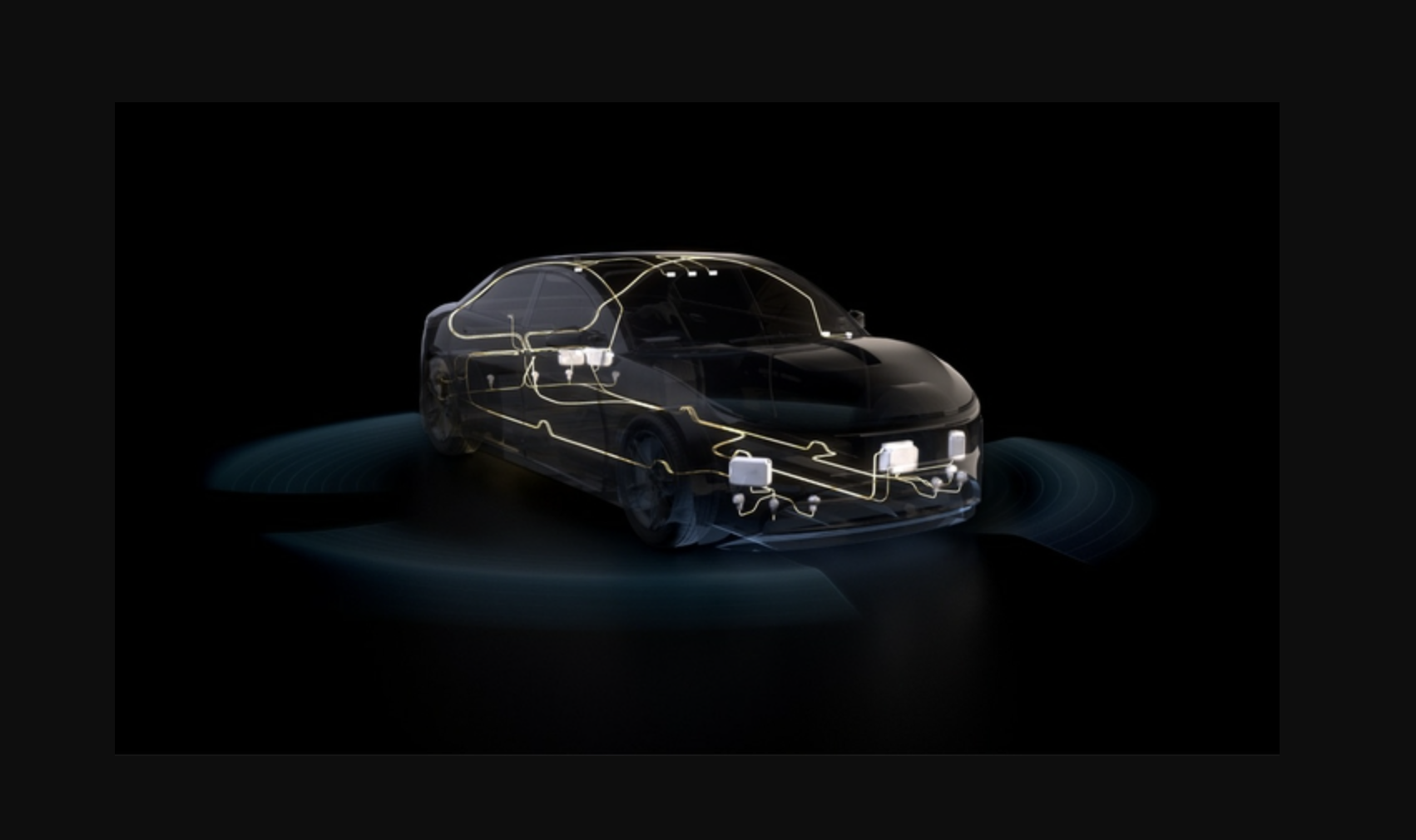
The company provides an end-to-end scalable platform for automated and autonomous vehicles (AVs) up to SAE Level 4 (L4), including computing hardware, AI software, simulation tools, and safety frameworks. It has already been working with major automakers on this front, including Mercedes-Benz, General Motors and Toyota. It’s now adding BYD, Geely, Hyundai and Nissan.
At the heart of these deployments are the Nvidia Drive Hyperion AV platform and Alpamayo reasoning-based AI model. Advances on both fronts improve a vehicle’s ability to perceive its environment, reason through complicated situations and act safely, paving the way for L4. “The AV revolution is here—the first multitrillion-dollar robotics industry,” said Huang. “Everything that moves will eventually be autonomous.”
The latest automaker additions to the Nvidia L4 client list could add significant scale to deployments; together, the four new partners turn out around 18 million cars every year. That’s a lot of potential reach for Nvidia’s tech. Equally significant is a new partnership announcement with ride-hailing giant Uber, which will eventually see Nvidia-powered autonomous Ubers operating in 28 cities. While just one of a growing number of partnerships for Uber, it signals the ride-sharing giant’s intention to establish itself as a wider robotaxi marketplace.
Meanwhile, the likes of Bolt, Grab and Lyft are leveraging Hyperion for their autonomous driving initiatives. “The number of robotaxi-ready cars in the future is going to be incredible,” emphasised Huang.
The wider AV momentum is becoming impossible to ignore, and Nvidia’s latest updates on this front follow recent announcements from Lyft, WeRide, Baidu, Pony.ai and Toyota, among others. Earlier in March, NHTSA hosted a forum dedicated to exploring next steps for AVs, including safety performance metrics, remote assistance regulation, and potential new federal guidance. After years of missed deadlines, traffic collisions, scrapped projects and failed businesses, the AV segment may indeed now be on the path towards Huang’s “multi-trillion dollar” vision.
But it’s certainly not just about autonomous driving for Nvidia. Rev Lebaredian, Vice President, Omniverse & Simulation Technology, told media on the eve of GTC: “AVs are the first wave of Physical AI, but so much more is coming down the pipeline.” AI is also rewriting the playbook for robotics, an increasingly important vertical for Nvidia. The company has released foundation models designed to improve how robots function in the real world, including Isaac GR00T N1.7, an open reasoning vision language action (VLA) model designed specifically for humanoid robots. “The Big Bang of physical AI has arrived,” Lebaredian asserted. “Humanoid robots are building machines designed to work right beside us. Deployments of humanoids are set to grow tenfold in 2026.”
Whether it’s AVs on the road or robots in the factory, Physical AI will radically alter the automotive landscape. By connecting its high-performance AI infrastructure like GPUs with simulation software, robotics frameworks and world-generation models, Nvidia claims to have the largest Physical AI ecosystem in the world. As a result, this chip company turned AI ecosystem coordinator has effectively put itself at the heart of what’s looking increasingly like the next industrial revolution.
Articles,Autonomous Driving,Software-Defined Vehicle,Megan LampinenMegan Lampinen#Nvidia #prepares #incredible #robotaxi #volumes1773768773
More Stories
Pony.ai, CATL partner on first L4 electric light truck
UK lays regulations for automated passenger services
Leapmotor reveals China-only B05 Ultra at Beijing show