





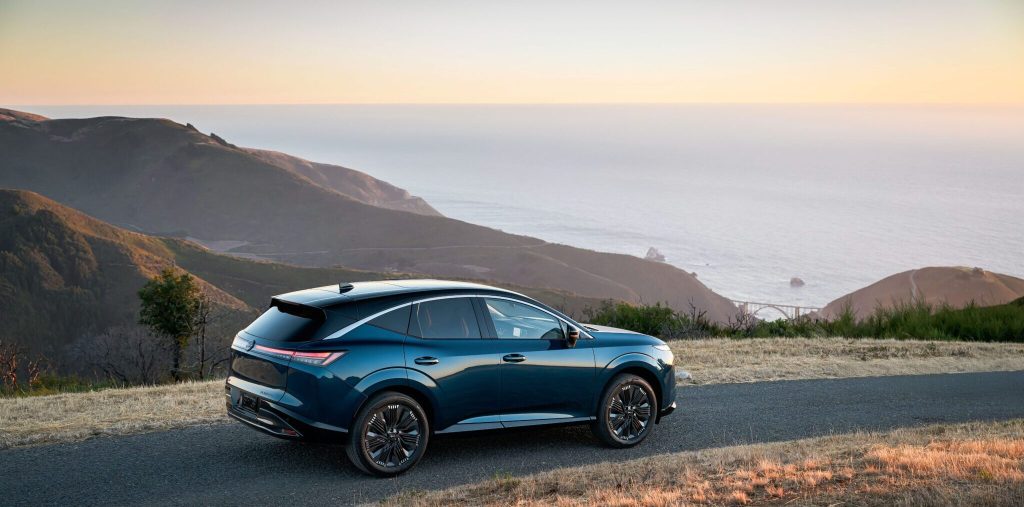
There is not much of a business case for shipping US-made Muranos to Japan, but it is a fairly low-cost way to curry favor with the US. By Stewart Burnett
Nissan has joined a growing cohort of Japanese automakers reverse-importing US-made vehicles for domestic consumers, using simplified certification procedures recently introduced by the Ministry of Land, Infrastructure, Transport and Tourism. The Murano, produced in Tennessee alongside the Rogue, Pathfinder, Leaf, and Infiniti QX60, was last sold in Japan over a decade ago and will return in small volumes during 2027.
Originally discontinued because it became too costly and large for Japan’s generally smaller roads, the reintroduced Murano will likely be sold in small volumes to satisfy a small niche of enthusiasts. The model will only be lightly adapted for Japanese consumers—indeed, it will be imported in left-hand drive configuration, standard in the US but unusual in native markets.
The new certification framework, introduced under Japan’s 2025 trade deal with the US, allows US-made vehicles to be approved for Japanese sale through document review alone rather than the often lengthy physical testing previously required. The change is designed to reduce the US trade deficit with Japan by making it more commercially viable to export US-manufactured vehicles eastward.
US President Donald Trump has repeatedly alluded to his interest in seeing US-made pickups sold in Japan, perhaps mostly persistently Ford’s F-150. Local analysts have emphasised the vehicle’s size makes it almost entirely incompatible with Japanese roads, particularly away from highways. To be sure, the Murano is considerably smaller than the F150, which sits on the edge of what can realistically be driven on US public roads.
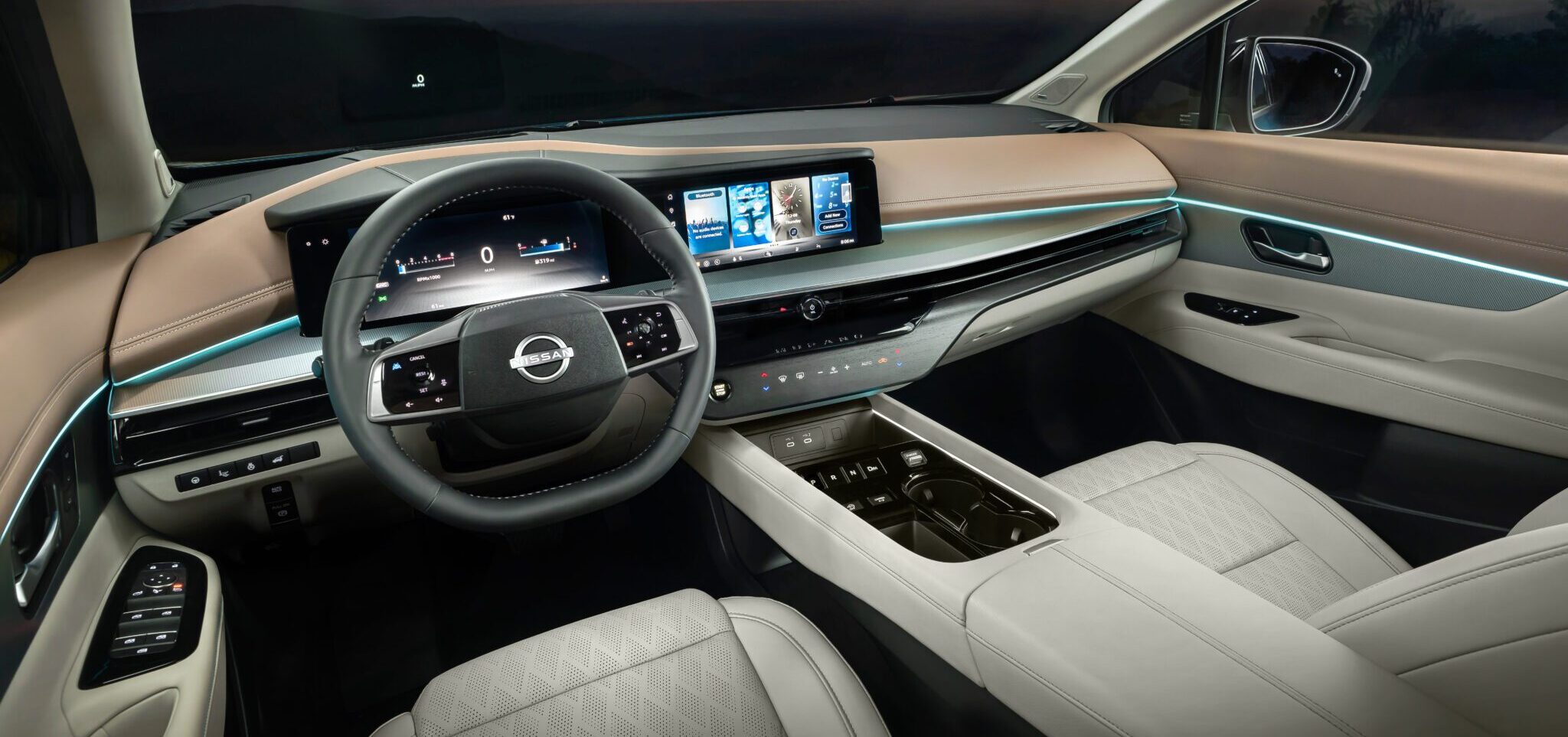
Nissan said it plans to use the framework to broaden its domestic model lineup, with some dealerships having flagged concerns that its current Japanese range lacks strong sellers. The automaker is one of several Japanese marques to take their chances with reverse imports in light of US trade pressure. Toyota announced in December 2025 that it would begin importing three US-made models—the Camry, Highlander, and Tundra—to Japan in 2026. Honda has also confirmed plans to export the Acura Integra Type S and Passport TrailSport Elite in the second half of the year.
The commercial logic is arguably more rooted in diplomacy than a strong business case. Japan’s automotive market has for decades been dominated by domestically-produced vehicles. Locally-made cars account for around 95% of sales, leaving fewer than 250,000 units annually for imports. US brands have historically held a marginal position in that pool, with roughly 8,700 Jeeps and 500 Cadillacs among the most visible presences. Volumes for these reverse-imported Japanese models are expected to remain low, positioning them as halo products more so than meaningful revenue contributors.
The Trump administration has pushed hard to reduce the US trade deficit with Japan, and Japanese automakers with extensive manufacturing presences on US soil are in a position to demonstrate goodwill through export flows that carry political visibility without requiring fundamental changes to their production strategies. `In other words, there might not be much money in shipping a Tennessee-built Murano to Tokyo, but it is one of the cheaper ways to curry favour with a volatile US administration.
Manufacturing,Markets,News,OEMs,Nissan,Stewart BurnettNissan,Stewart Burnett#Nissan #latest #Japanese #OEM #reverseimport #models1773842659
More Stories
Pony.ai, CATL partner on first L4 electric light truck
UK lays regulations for automated passenger services
Leapmotor reveals China-only B05 Ultra at Beijing show