

Hyundai’s new Chief Executive is drawing dire conclusions from a blockade that has no clear end date. By Stewart Burnett
Hyundai has confirmed it is rerouting its ships around the Cape of Good Hope to avoid the blocked Strait of Hormuz, adding significant lead time to its global supply lines. In an 8 April interview with Bloomberg, Chief Executive José Muñoz laid out the rationale in stark terms: “Globalisation is over. It’s completely over.”
The new route around the south of Africa will extend transit times by ten to 15 days for components shipped from South Korea to Europe. Stable supply routes to Europe are critical for the automaker; 82.8% of it and Kia’s combined sales in 2025 originated from plants in South Korea. Muñoz indicated it is reviewing long-term solutions to this problem; specifically it is considering sourcing parts in Europe.
Shifting parts sourcing to Europe, however, would take on dimensions beyond mere contingency plans. Currently, the EU is closing in on USMCA-style local sourcing plans—likely 70% of all parts in an electric vehicle, for example—that would make some degree of onshoring a necessity regardless of the Iran conflict.
Thus far Hyundai has maintained its production volumes by drawing on elevated inventory buffers it has been building over the last few years. Like the rest of the automotive industry, it remembers how exposed just-in-time supply chains were when COVID-19 and the semiconductor crisis first emerged. As such, supply chain decisions that were once made annually are now taken weekly. “We try to put together supply and demand, take decisions and maximise as much as possible the production capacity we have so that we don’t lose production,” Muñoz noted. “But it’s tough. It’s never been as tough as it is now.”
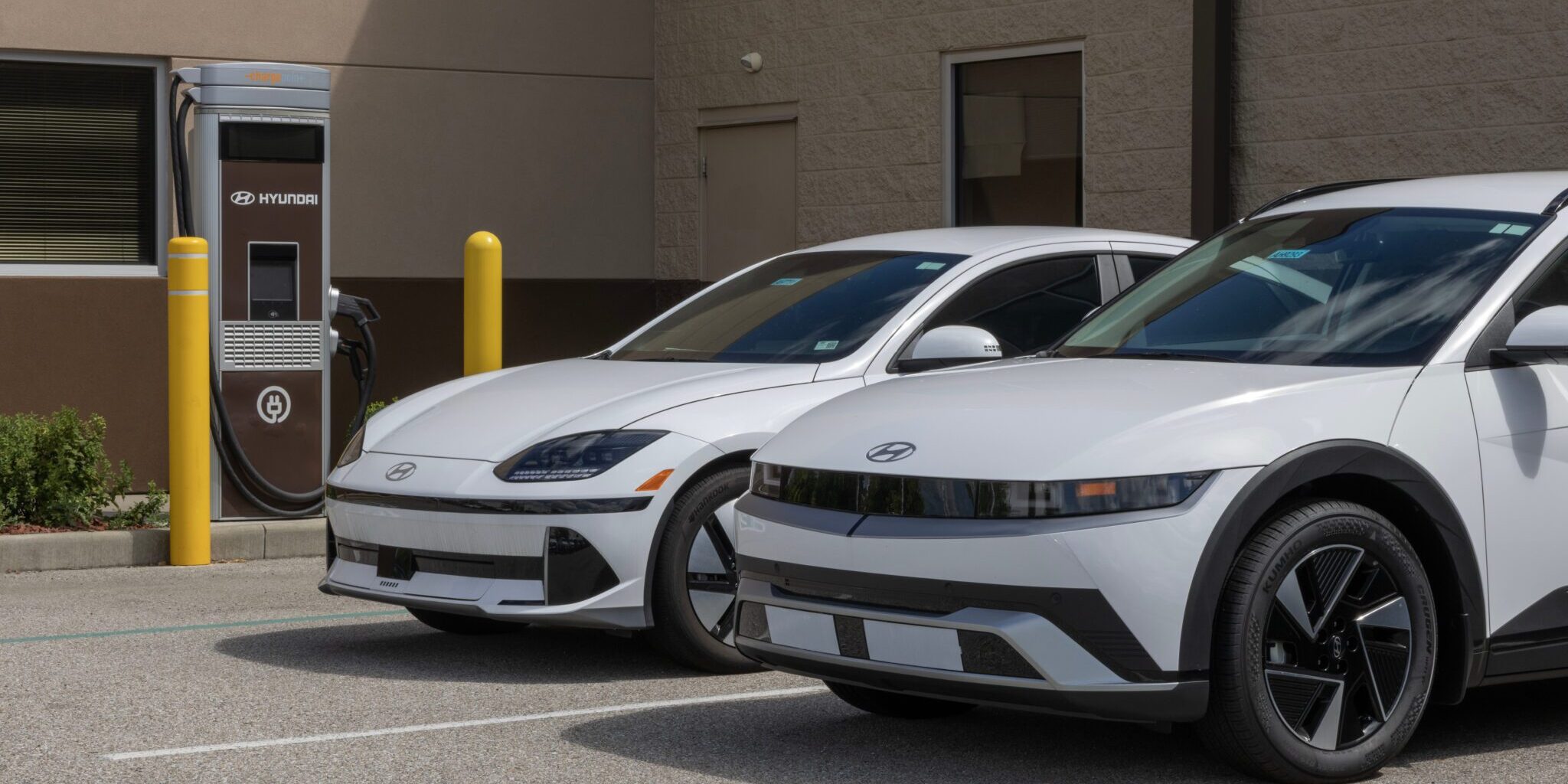
Hyundai is not, however, accelerating its electrification plans to match the expected spike in demand caused by fuel prices. Indeed, it was only very recently that it softened its ambitions. The automaker’s plant in Georgia—originally envisioned as a battery-electric vehicle (BEV) facility exclusively, producing the Ioniq 5 and Ioniq 9 models—will instead begin making hybrids and range-extended models from 2027.
The Georgia site will also begin producing modified Ioniq 5 BEVs for Waymo’s robotaxi fleet this year, with volumes expected to reach the tens of thousands. Hyundai’s ambitions for the US strongly reflect Muñoz’ concerns about globalisation: 80% domestic supply chain utilisation, and a capacity of 1.2 million units annually.
The Hormuz disruption, if unresolved, could prove disastrous for global manufacturing in automotive and other industries. South Korea is among the more exposed countries, importing around 70% of its naphtha from Gulf sources—a precursor for auto plastics and synthetic rubber—and helium supplies used in semiconductor clean rooms have tightened sharply following the declaration of force majeure at Qatari facilities. Aluminium prices have also risen significantlyly after output cuts at major Gulf smelters.
Despite the foreboding trade environment, Muñoz did find cause for optimism, noting that first-quarter sales of electrified vehicles rose significantly year-on-year, due in part to higher gasoline prices accelerating consumer interest in green alternatives. Just how durable this growth turns out to be, however, remains unclear. Whether or not the Strait reopens, Chinese automakers are also vying for a leading position in global energy vehicle markets; earlier this month BYD raised its 2026 overseas sales target from 1.3 million units to 1.5 million.
Manufacturing,News,OEMs,Hyundai Motor Group,Stewart BurnettHyundai Motor Group,Stewart Burnett#Hyundai #reroutes #Hormuz #blockade #globalisation1775740516

More Stories
Pony.ai, CATL partner on first L4 electric light truck
UK lays regulations for automated passenger services
Leapmotor reveals China-only B05 Ultra at Beijing show