




GWM fell flat when it first attempted to enter the European car market; now it is returning after other Chinese players already garnered a foothold. By Stewart Burnett
Great Wall Motor has confirmed plans to launch at least ten new models in Europe over the next two years and expand into 13 new markets within 12 months, the automaker told reporters at its technology centre in Baoding. “We don’t want to be the loser in any market in the world,” GWM International President Parker Shi said. “We’ll come back and we will go with the right product.”
The return follows a failed first attempt staged back in 2021. GWM entered Europe with considerable fanfare at the year’s Munich motor show, led by a predominantly electrified lineup including the Ora 03, Ora 07, and Wey plug-in hybrid SUVs. The fanfare did not translate into meaningful returns: sales peaked at around 6,300 units and declined consistently thereafter—falling 25.4% in 2024 and nearly 30% in 2025 to approximately 3,500 vehicles.
The automaker subsequently closed its Munich European headquarters in 2024, cutting around 100 jobs in the process. It also consolidated its two sub-brands, Ora and Wey, under the singular GWM brand identity. As a distinct entity, Ora had targeted consumers interested in quirky but affordable electric vehicles (EVs); Wey, on the other hand, focused on serving the premium SUV segment.
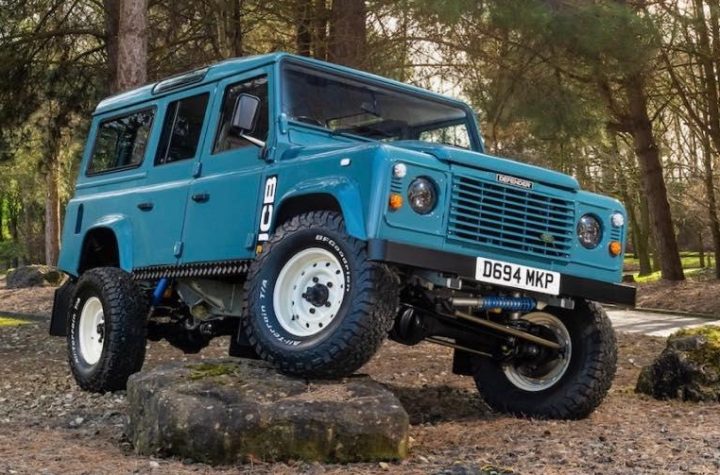
Changes made over the last two years have set GWM up for its second European offensive. Whereas the original push predominantly focused on hybrids, the new product slate spans multiple powertrains: the opening launch, the Ora 5, will be offered as a full EV, a hybrid model, and an internal combustion engine option. The Jolion Max SUV and the off-road H7 model are planned for later in 2026.
Unfortunately for GWM, it is doubling down on a market increasingly saturated by Chinese entrants that are successfully building their sales. While BYD, Leapmotor, and Chery’s Jaecoo and Omoda brands all recorded strong European growth in 2025, GWM is on the backfoot and will need to raise its market share from a very low baseline. Expanding into Italy and Spain in June and Poland in July before covering ten additional markets over the following twelve months suggests a more methodical rollout is planned than its 2021 big splash.
The longer-term ambition is framed around manufacturing, although it should be noted nothing is yet locked in. GWM has stated a target of a 300,000-unit annual production facility in Europe by 2029, with central and southern Europe under consideration for the site, and Hungary and Spain—both popular among Chinese market entrants—have both been cited as candidates. Local production would allow GWM to avoid EU anti-subsidy tariffs on Chinese-made imports and position it as a local producer under both existing and forthcoming European industrial policy.
GWM’s overseas sales target of one million vehicles by the end of the decade all but requires that Europe contributes meaningfully. The challenge is doing so in a segment—competitively priced Chinese SUVs with multi-powertrain options—that now includes well-established players with factory footprints, dealer networks, and brand recognition GWM does not yet possess on the continent.
E-Mobility,Manufacturing,Markets,News,OEMs,Great Wall Motor,Stewart BurnettGreat Wall Motor,Stewart Burnett#Great #Wall #Motor #targets #Europe #10model #offensive1776780957
More Stories
Pony.ai, CATL partner on first L4 electric light truck
UK lays regulations for automated passenger services
Leapmotor reveals China-only B05 Ultra at Beijing show