

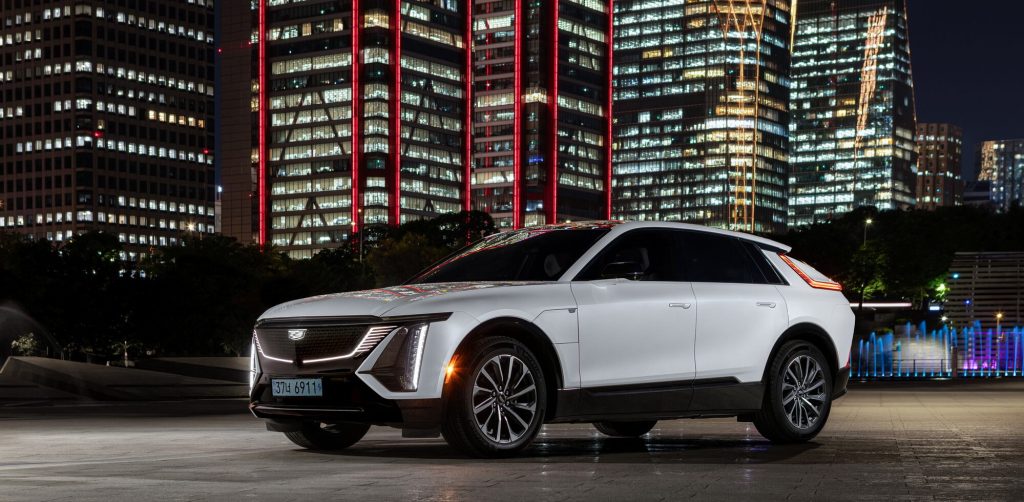
GM is putting capital behind its commitment to stay in Korean auto production, but a lack of EVs has left local unions unsure about the long-term. By Stewart Burnett
General Motors has announced a US$600m investment into its South Korean manufacturing operations, adding US$300m to a spending commitment announced in December 2025. The announcement was made jointly with the Korean Metal Workers’ Union, a telling signal given that speculation about a potential GM exit from South Korea has never fully subsided since the automaker required a government rescue package worth US$7.15bn in 2018.
That rescue came with a binding ten-year commitment preventing GM from exiting its Korean investment, a term that runs until 2028. The new investment effectively extends the company’s stated horizon well beyond that deadline. In a statement, GM Korea President and Chief Executive Hector Villarreal hailed the investment as “a sign of confidence in our operations”, while Korea Development Bank Chairman Park Sang-jin, whose institution holds a stake in the unit, said the investment would ensure the regional unit’s long-term sustainability.
Despite ongoing trade uncertainty between the US and Korea, there is a clear rationale behind the capital injection. GM Korea has posted three consecutive years of net profit, rising from KRW 210bn (US$140m) in 2022 to KRW 2.2tr (US$1.5bn) in 2024, driven almost entirely by exports of the Chevrolet Trax and Trailblazer. The Trax has ranked as South Korea’s top passenger car export model for three consecutive years, best even local giants Hyundai and Kia. Of the 462,310 vehicles GM Korea sold in 2025, the overwhelming majority were exported, with the US market as the primary destination.
Of course, US tariffs on Korean-made vehicles are now eating into that model. Sales fell 7.5% in 2025 as import duties raised the cost of selling Korean-built Chevrolets in the US market, and GM has acknowledged that tariff exposure could cost it between US$3bn–$4bn in 2026 alone. Running the Bupyeong and Changwon plants at or near their 500,000-unit annual capacity is partly a response to that pressure: higher volumes lower per-unit production costs and partially offset the tariff burden.
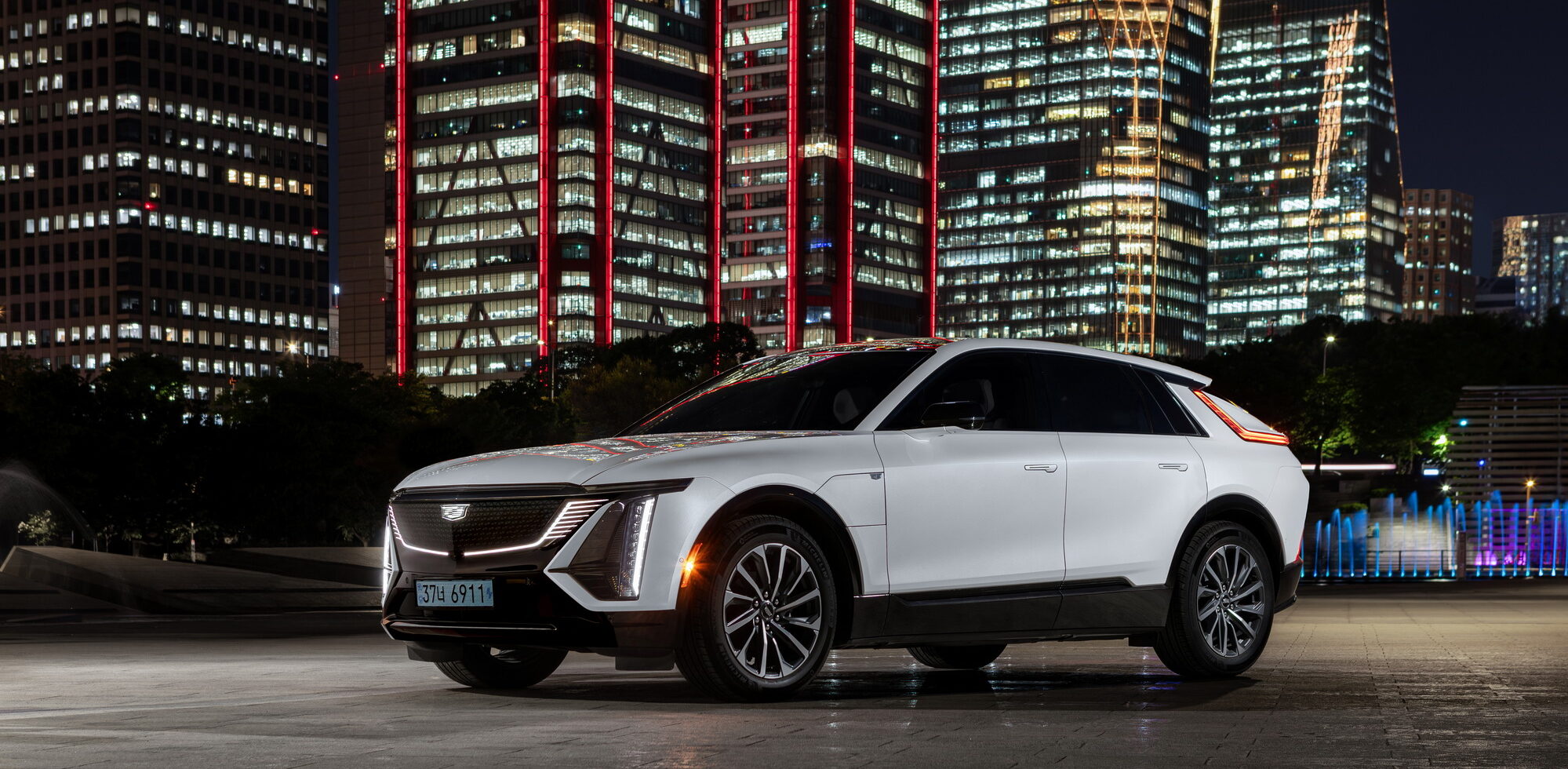
The workers’ union welcomed the investment, but nevertheless took the opportunity to flag concerns that are becoming increasingly hard to ignore. Union leader Ahn Kyu-baek told Reuters the company “still has not announced any plan to produce a new model of future cars like electric vehicles (EV) from its two [Korean] plants.”
The absence of an EV production allocation is the one dimension of the commitment that the US$600m does not address, and it sits awkwardly against GM’s broader pivot toward electrification. GM has committed to a long-term manufacturing presence in Korea; it has also committed to transitioning away from internal combustion engines. Not retooling its Korean plants for electrification signals that one or both of those commitments is not as solid as the automaker is trying to project.
This electrification gap is not unique to Korea. Indeed, GM’s international manufacturing footprint has been broadly sidelined from its EV strategy, which has thus far centred on North American platforms and facilities. The Korean plants remain focused on internal combustion engines and mild hybrid small SUVs—products with a clear near-term market but an uncertain long-term trajectory given the steady rise in demand for electrified alternatives.
It could be the case that GM is avoiding associating itself too closely with zero-emissions technology; it was only in March that the automaker announced US$6bn in writedowns related to its initial EV strategy. This was largely a response to US Trump administration policy, and there are no good reasons to believe in a reversal before the next presidential election.
E-Mobility,Manufacturing,Markets,News,OEMs,General Motors,Stewart BurnettGeneral Motors,Stewart Burnett#quells #Korea #exit #fears #US600m #retool #EVs1774435377
More Stories
Pony.ai, CATL partner on first L4 electric light truck
UK lays regulations for automated passenger services
Leapmotor reveals China-only B05 Ultra at Beijing show