





Rising interest rates and fuel prices compound pressure on lower-income consumers while reshaping dealership sales strategies.

On the Dash:
- Used-car buyers face the greatest strain as high interest rates persist, with no incentives to offset costs.
- Rising gas prices disproportionately impact lower-income households, compounding affordability challenges.
- Dealers report longer loan terms and disrupted sales processes as more buyers struggle to secure financing.
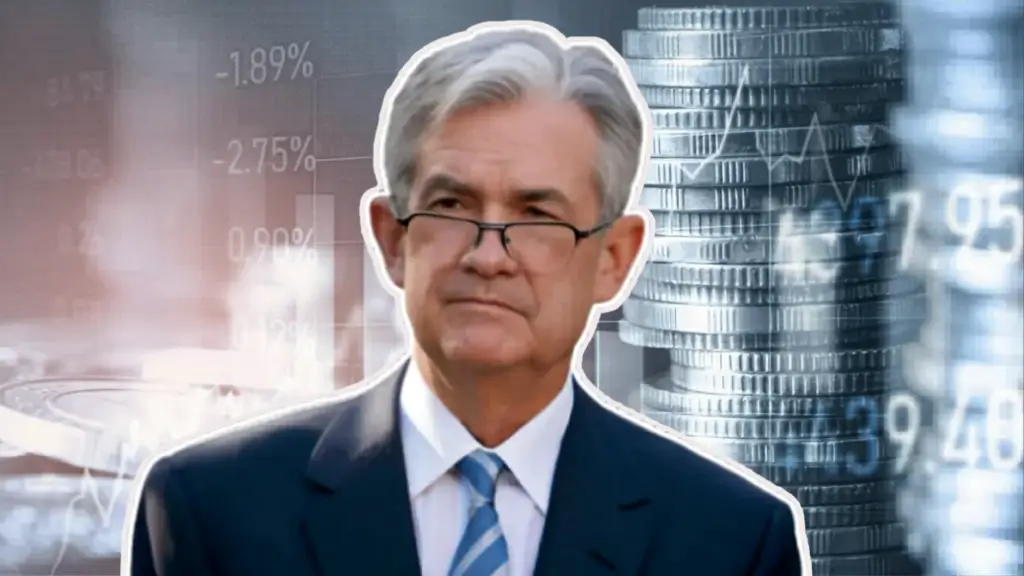
On April 29, the Federal Reserve held its benchmark interest rate at 3.5% to 3.75%, maintaining elevated borrowing costs that continue to pressure auto buyers, particularly in the used-vehicle market.
The central bank’s decision follows its last rate move on Dec. 10, 2025, when it reduced rates by a quarter-point. Policymakers cited unresolved trade tensions and geopolitical instability, like the Iran war, as a key factor driving economic uncertainty and rising fuel prices.
Sign up for CBT News’ daily newsletter and get the latest industry stories delivered straight to your inbox.
Changes to the federal funds rate directly influence auto loan rates, which remain near historic highs. That pressure limits affordability across the market, especially as vehicle prices remain elevated.
In March, the average new-vehicle loan carried a 7% interest rate, with a $770 monthly payment on $43,732 in financing. Used-vehicle loans averaged 11% interest with $560 monthly payments on $29,266 financed, according to Edmunds data.
Higher-income consumers continue to dominate the new-vehicle market and are better positioned to absorb rising fuel costs. Conversely, lower-income households spend a greater share of income on fuel, intensifying financial strain.
Notably, retailers report an increase in extended loan terms, such as 84-month financing, as buyers attempt to manage monthly payments. Analysts warn that longer terms increase the likelihood of negative equity and complicate future trade-in valuations.
Sales processes are also becoming less efficient, with dealers reporting more frequent breakdowns late in transactions when customers fail to secure financing, forcing staff to restart negotiations with lower-cost vehicles.
Industry News,Articles,Headlines,Fed interest rates,Iran war,Jerome Powell,car business,Retail Automotive,auto loans,dealership news#Fed #holds #rates #steady #squeezing #usedcar #buyers1777550256

More Stories
Ford raises 2026 outlook after Q1 earnings beat expectations
4 customer personality types and how to win their business every time
The hidden sales killer most professionals don’t even notice