


The 100% tariff was designed to keep Chinese EVs out of the US market, but does little against a social media attrition campaign. By Stewart Burnett
Chinese electric vehicle (EV) brands including BYD, Xiaomi, and Zeekr appear to be generating widespread social media engagement in the US, despite being effectively locked out of the market entirely due to tariffs. A new AlixPartners survey of 9,000 potential EV buyers has found that 58% had encountered Chinese EVs on TikTok, and 69% of Gen Z car shoppers said they were at least somewhat likely to consider buying one.
A separate study by Cox Automotive from February 2026 found 38% of US consumers would seriously consider a Chinese EV if they were available. It appears that a constituency is being built by social media content that the market itself cannot satisfy. Similar trends are afoot elsewhere: a Nanos Research Group poll, also from February, revealed that a strong majority of Canadians felt a vehicle’s Chinese origin would have no bearing on their decision to purchase.
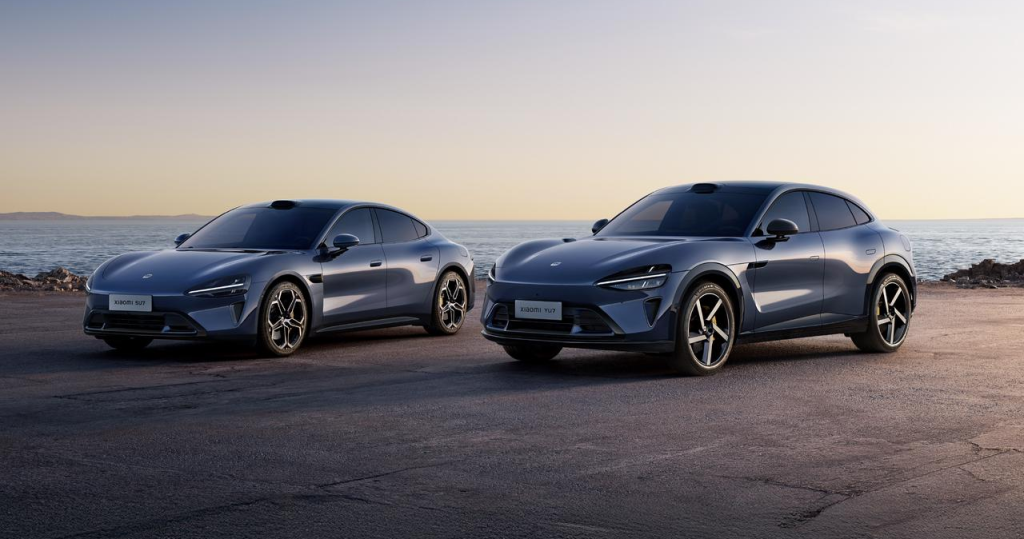
The reviews lighting up social media tend to be rather effusive. In a recent video titled “Driving Xiaomi’s Electric Car: Are we Cooked?”, popular US tech influencer Marques Brownlee described the Xiaomi SU7 Max as an EV that “feels like a US$75,000 car”—albeit for US$42,000—with cabin technology that makes Western EV infotainment “seem dated”. Another viral video, titled “I drove the cheap Chinese cars that are illegal in the USA. Now I know why”, has approached two million views.
Unsurprisingly, this content is not entirely organic. DCar Studio, the primary US operation bringing Chinese EVs to American content creators for test drives in Los Angeles, is the US arm of Dongchedi, a Chinese car platform with 35.7 million monthly active users. It is owned by none other than ByteDance, TikTok’s parent company. ByteDance raised US$600m for Dongchedi at a US$3bn valuation in 2024. The arrangement means that the same Chinese conglomerate that owns TikTok is systematically supplying Chinese EV content to American creators who distribute it on that platform.
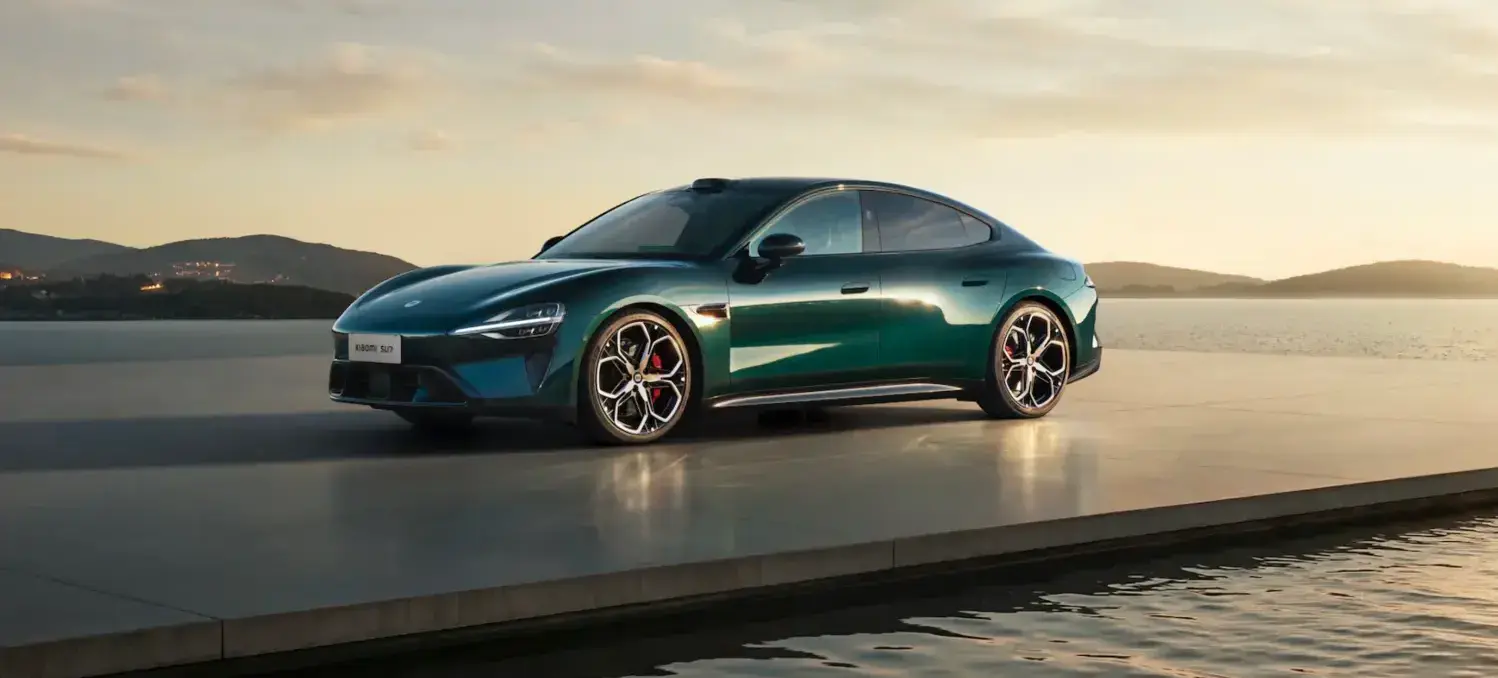
The 100% tariff was designed to protect the US automotive industry from price competition it cannot match. However, it was not designed for a scenario in which the competition builds local demand through viral marketing before entering at all. One could characterise it is a form of attrition from within. Canada has already cracked, lowering its duties to 6.1% on 49,000 Chinese EVs annually as part of a broader trade deal earlier this year. BYD is already reportedly planning more than 20 Canadian dealerships, effectively serving as its second North American foothold after Mexico.
That attrition is emerging on other fronts, too: in February 2026, BYD filed a legal challenge in the US Court of International Trade arguing the executive orders underpinning the tariffs are invalid. Elsewhere, Geely has confirmed it is “actively evaluating” a US launch within 24 to 36 months, with vehicles to potentially be built at Volvo’s existing South Carolina factory.
No US automotive executive appears as cognisant—arguably fixated—on the China threat as Ford’s Jim Farley. Earlier in April, Farley called Chinese automakers a “devastating” threat during an appearance on the President Trump-friendly Fox and Friends morning show, and said they “should not” enter the US market.
His public remarks contrast sharply with earlier reports indicating that Farley and other Ford executives had approached Trump officials about a potential joint venture model for US market entry, with US automakers taking a dominant stake. The approach described was highly similar to the one deployed for Western OEMs operating in China. Separate reporting has Ford tied to Xiaomi about a potential US joint venture, although both parties have vehemently denied the reports. Farley has also echoed Brownlee’s sentiments about Xiaomi, likening the SU7—which he owns—to a Porsche Taycan albeit at a fraction of the cost.
Ultimately, Farley’s position seemingly amounts to keeping Chinese brands out long enough for Ford to reach market in 2027 with a US$30,000 pickup built partly on Chinese technology. President Trump himself has signalled willingness for Chinese automakers to sell vehicles in the US, albeit on the provision that they establish local production. It remains to be seen how seriously his words should be taken.
E-Mobility,Markets,News,Software-Defined Vehicle,Stewart BurnettStewart Burnett#Chinese #EVs #flood #social #media #tariff #wall1776874307
More Stories
Pony.ai, CATL partner on first L4 electric light truck
UK lays regulations for automated passenger services
Leapmotor reveals China-only B05 Ultra at Beijing show