




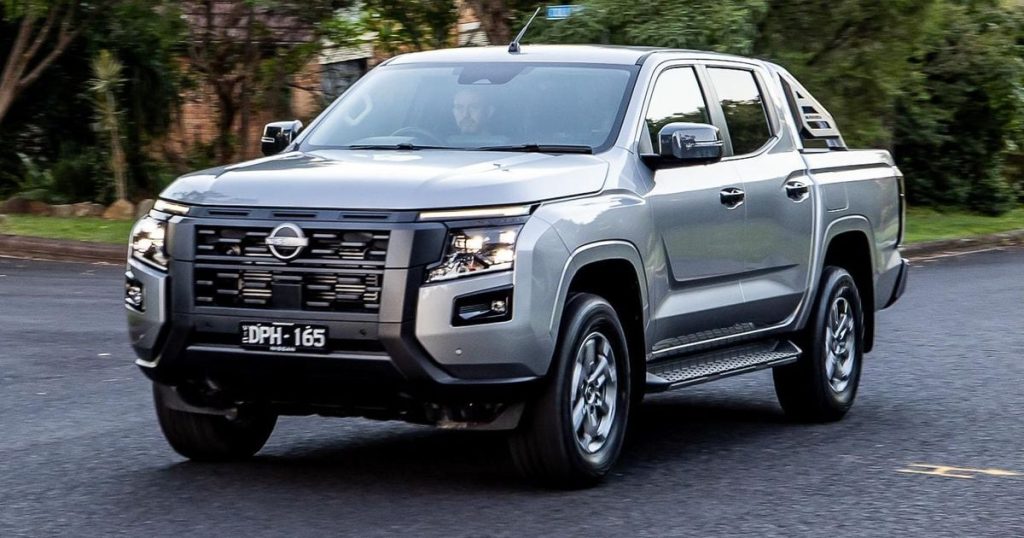
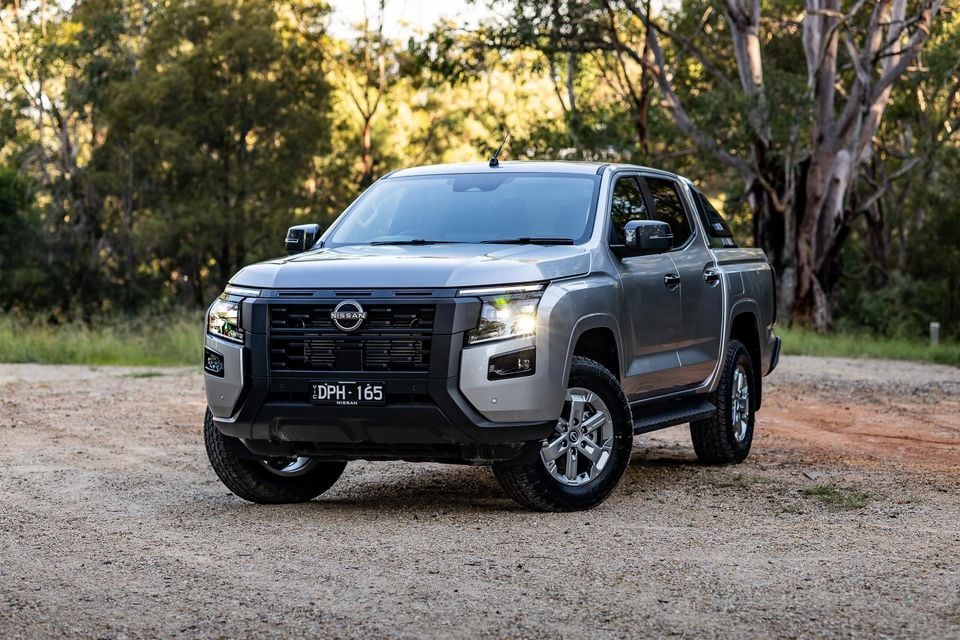
Nissan has launched its all-new Navara ute range, and yes, it’s a redo of the Mitsubishi Triton.
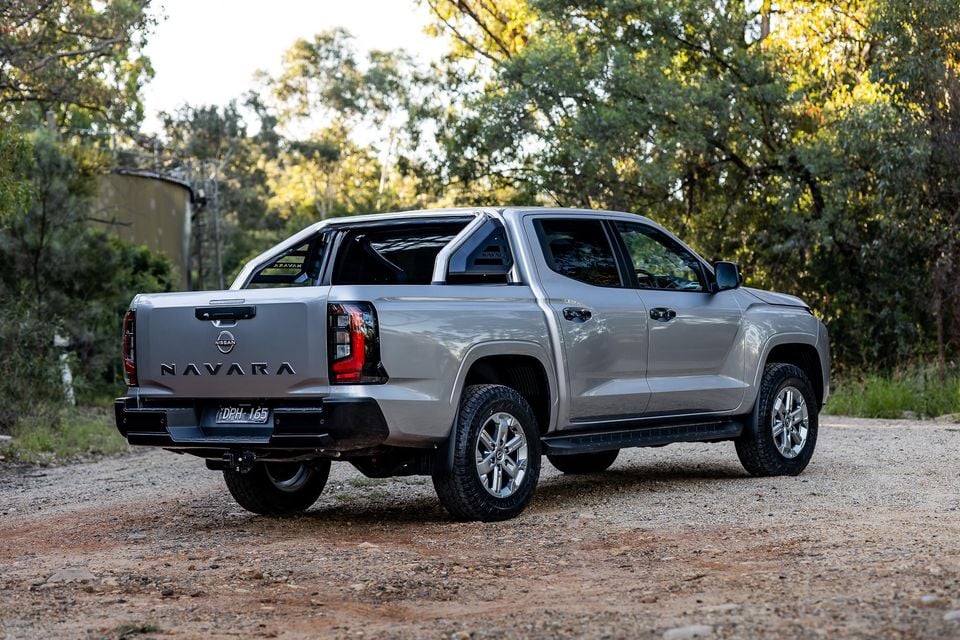
But this Japanese ute has been overhauled with an Australia-ready flavour, thanks to a partnership between Nissan and Premcar, the experts behind the hardcore Navara and Patrol Warrior models.
And for the new ute range, there are a few different takes on the theme, with the SL and ST variants getting a more tradie-targeted suspension tune, whereas more expensive grades get different dampers for a more defined drive.
The ST? Well, it might be a great choice for buyers who want an off-road capable and occupation-applicable ute for a reasonable price… although some of the specs are a bit odd.
How much does the Nissan Navara cost?
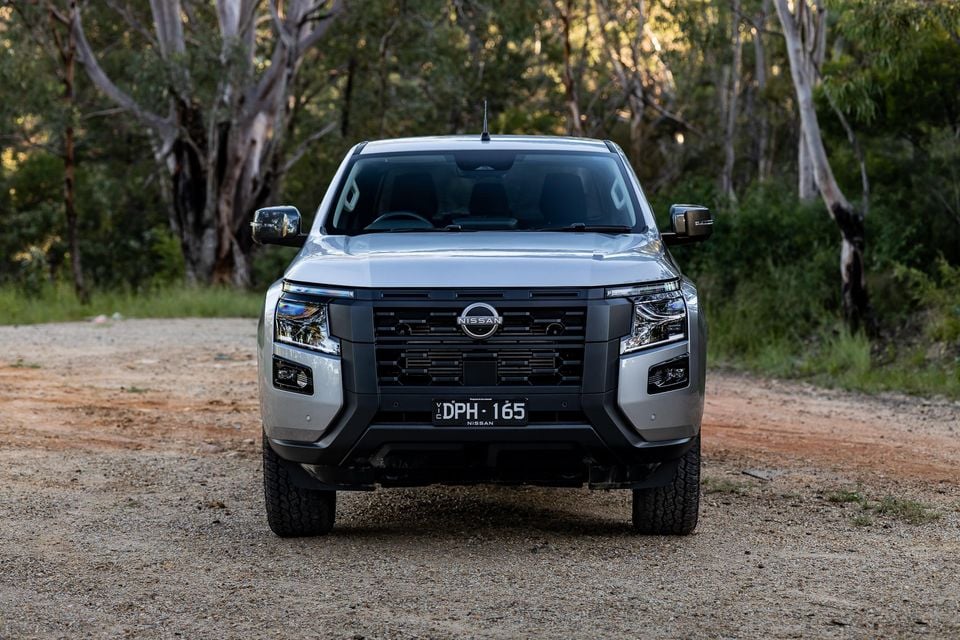
The Navara costs more than the Triton on which it’s based, but it’s far from the most expensive dual-cab diesel ute range on the market.
| Model | Price before on-road costs |
|---|---|
| 2026 Nissan Navara SL dual-cab pickup 4×4 auto | $53,348 |
| 2026 Nissan Navara ST dual-cab pickup 4×4 auto | $56,765 |
| 2026 Nissan Navara ST-X dual-cab pickup 4×4 auto | $63,177 |
| 2026 Nissan Navara Pro-4X dual-cab pickup 4×4 auto | $68,418 |
Check out the standard equipment lists below to see why I think the ST makes a pretty convincing case over the SL, if you want a few extra niceties for not that much extra money.
To see how the Nissan Navara lines up against the competition, check out our comparison tool
What is the Nissan Navara like on the inside?
I like that Nissan has been pretty democratic with some of the specs on offer in the Navara range.
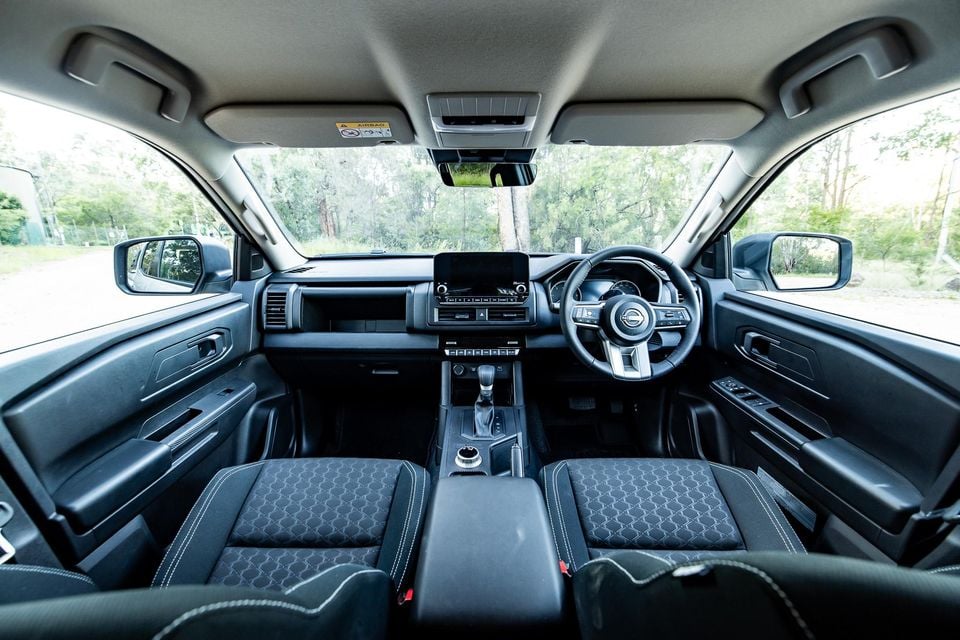
For example, buying a more basic Isuzu D-Max or Mazda BT-50 means you get a smaller screen and mainly analogue instrumentation. But in this ute, you’re getting a 7.0-inch instrument cluster screen with dials alongside it, as well as a range-wide standard 9.0-inch touchscreen infotainment system with wireless Apple CarPlay and wired Android Auto, not to mention satellite navigation and DAB+ digital radio. Plus the screen plays host to the display for the range-wide standard surround-view camera. Which is excellent for this class.
Find your perfect new car with CarExpert
Look, it’s not as convincing an interior experience as a Kia Tasman – which has arguably the best cabin in this segment for the money – but it’s still a wholesome and likeable place to spend some time.
Manually adjustable seats with cloth trim are to be expected at this price, and thankfully you get carpet (if you want it) in the ST, too.
But the number of times I walked up to the ute with the key in my pocket, expecting to be able to unlock it without pressing the fob button? Countless. And then I’d put the key back in my pocket, forgetting that it needs to be shoved into the barrel and turned, like an old car. No push-button start and no keyless entry would be enough to make me consider the next model up the range.
Those seats are comfortable and offer good adjustability for drivers of different statures, and the driver’s seat has electric lumbar support, plus they’re nicely bolstered and supportive, which they need to be to cope with the firm ride of this truck… more on that below.
The plastic steering wheel isn’t overly pleasant, but there are logical controls on the tiller, and the stalks have a different feel to those in the Triton, too.
The media experience is fine, though the Nissan does display some pretty slow-loading screens when you kick the vehicle into life. Thankfully, the controls for the screen are simple to learn, and the wireless smartphone tech I used all week seemed to work a treat, too.
I like that you get dials either side of the display for volume and tuning, and the button array below is easy to get to grips with.
Speaking of, the toggle switches for the climate system are great for that, and workers with gloves on will still be able to adjust the temperature, fan speed and more without having to worry about the touchscreen – something you can’t avoid in a Volkswagen Amarok or BYD Shark.
It’s single-zone climate control in this grade and the one below, and you don’t get seat heating, either.
A few other things give it away that you’re not in a pricey pickup – exposed screwheads and hard plastics, for instance.
Storage options include cupholders between the seats, a covered centre console bin, a loose-item cubby in front of the shifter (there’s no wireless phone charger), and a large open cubby in front of the passenger (it’s one half of the double glovebox if you spend more).
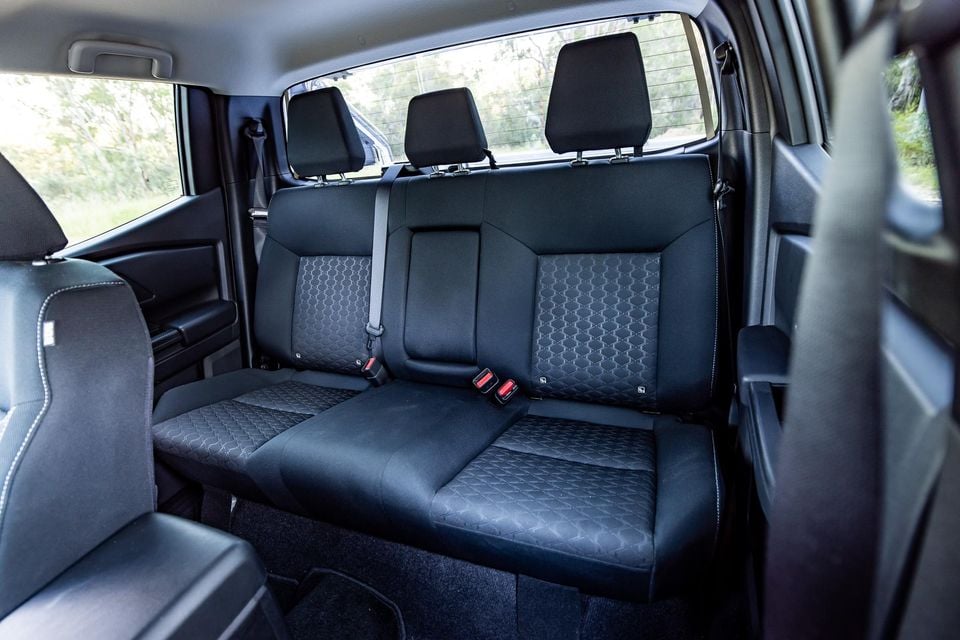
I am a fan (LOL) of the air recirculation system that is standard in all Navara models, as it does a better job of spreading the air around to those in the second row. The overhead vents and fan controller mean those in the back (that are big enough to reach) can manage their own ventilation, and it’s more convincing than some of the lame knee-height vents in other utes.
The back-seat space is fine, but not exceptional. At 6’0”/182cm, I could fit behind my own driving position with a little bit of legroom to spare, and headroom was adequate too. Three big blokes across could be a bit squishy, with the transmission tunnel taking up a bit of space.
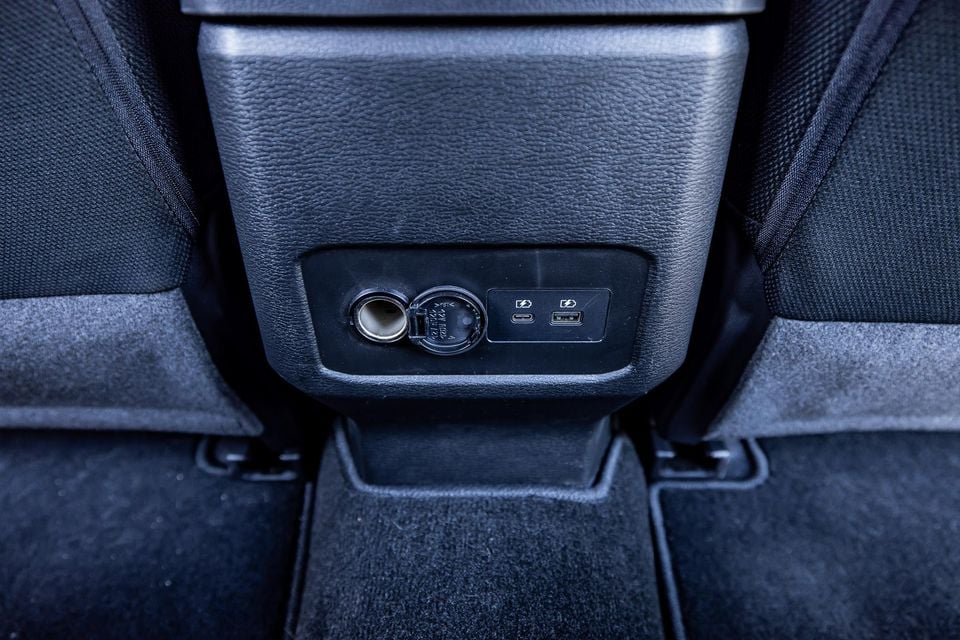
But even in this grade you get a flip-down armrest with cupholders, and the bottle holders in all four doors are 7-Eleven stock-up friendly. And there are a few pockets on the seatbacks for additional stowage as well. There’s a 12-volt port and a couple of USB outlets in the ST, too, which would be welcome additions over the entry-level SL for buyers with regular rear-seat riders.
The Navara has ISOFIX points in the window seats and a central top-tether point, which isn’t as reassuring as anchoring your child seat to the rear bulkhead of the ute, as is the case in others in the segment.
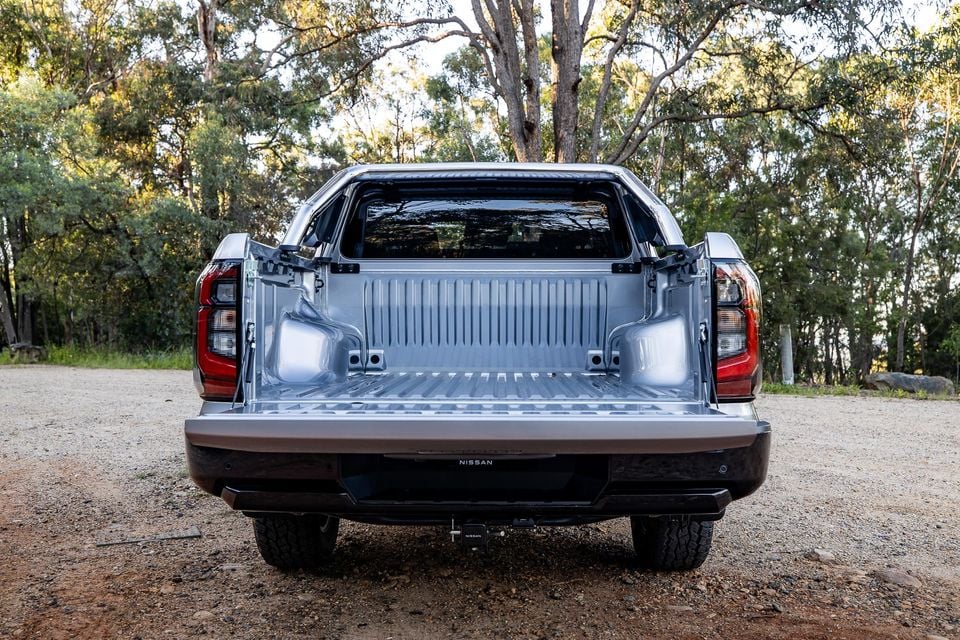
The cargo zone in the ST doesn’t include a tub liner, but there are four tie-down points and a sports bar, and an assisted tailgate is standard on all versions. The tailgate has a lock, but it’s not connected to the central locking.
The tub houses a spare wheel under the floor, too, and there’s a rear bumper step – but it doesn’t have rear quarter steps that we’re seeing more commonly these days.
The dimensions of the tub are generous, though it isn’t wide enough between the wheel-arches to fit a standard Aussie pallet (1165x1165mm).
| Dimensions | Nissan Navara |
|---|---|
| Length | 5320mm |
| Width (excl. mirrors) | 1865mm (1930mm in Pro-4X) |
| Height | 1795mm (1815mm in Pro-4X) |
| Wheelbase | 3130mm |
| Tub length | 1555mm |
| Tub width | 1545mm |
| Tub width between wheel arches | 1135mm |
| Tub depth | 525mm |
| Ground clearance | 228mm |
| Approach angle | 30.4 degrees |
| Departure angle | 22.8 degrees |
| Breakover angle | 23.4 degrees |
To see how the Nissan Navara lines up against the competition, check out our comparison tool
What’s under the bonnet?
One thing I like about the new Navara range is that, like the Triton lineup, it offers the same engine and transmission in all versions, so if you buy a cheaper example you’re still getting the maximum amount of grunt – and, in fact, you get a better power-to-weight ratio in the lower-grade versions as a result of that.
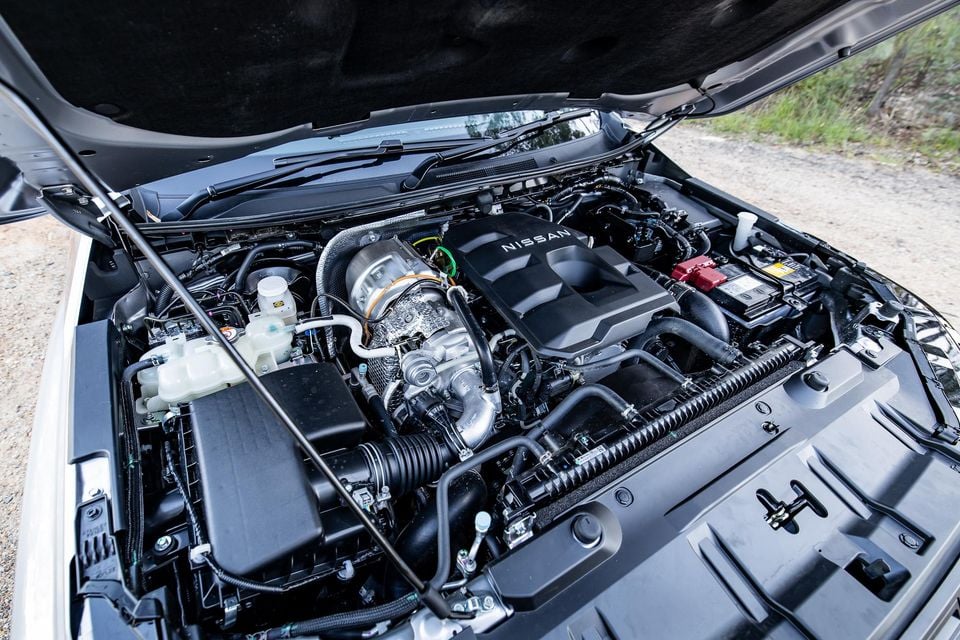
| Specifications | Nissan Navara ST |
|---|---|
| Engine | 2.4L bi-turbo 4cyl diesel |
| Power | 150kW |
| Torque | 470Nm |
| Transmission | 6-speed auto |
| Drive type | Selectable four-wheel drive |
| Fuel economy (claimed) | 7.7L/100km |
| Fuel economy (as tested) | 8.1L/100km |
| CO2 emissions (claimed) | 203g/km |
| Fuel capacity | 75L |
| AdBlue capacity | 17L |
| Kerb weight | 2143kg |
| Payload | 1047kg |
| Braked towing capacity | 3500kg |
| Gross vehicle mass (GVM) | 3190kg |
| Gross combination mass (GCM) | 6250kg |
The official combined fuel consumption figure is 7.7L/100km, and over my week of testing across a mix of urban, highway, commuting and local journeys – without a load, or any off-roading or towing – I saw a very respectable on-test return of 8.1L/100km.
To see how the Nissan Navara lines up against the competition, check out our comparison tool
How does the Nissan Navara drive?
I was fortunate to have some decent context when testing this ST model, because I had recently handed back the range-topping (for now) Pro-4X. And that version drove a fair bit nicer than this one.
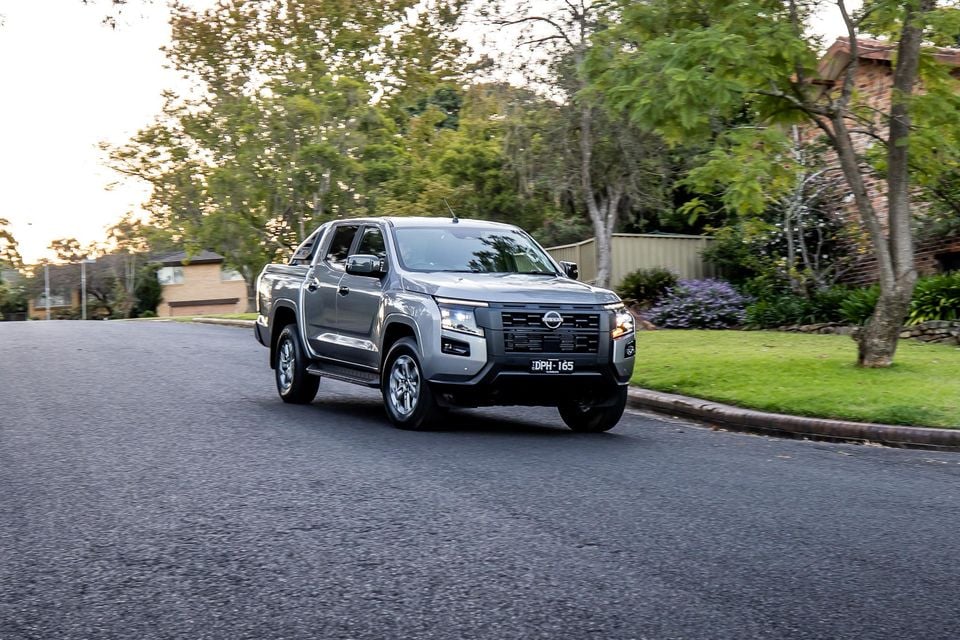
That’s because the lower-spec variants are rated to handle a bigger load, so they have a stronger, sturdier and firmer suspension than the more expensive grades.
It’s fit-for-purpose stuff we’re talking about, and while I wasn’t playing landscaper or plumber this week for my testing, I could tell this ute has a significantly more rigid ride when unladen than the upper-spec dual-cab I’d handed back earlier.
Is it uncomfortable? If you hit a big bump or speedhump with too much momentum you surely will feel it, but it’s pretty well sorted in terms of the rebound and body control. The suspension setup implemented by Premcar settles quickly after abrupt abnormalities in the surface, and even this ST holds a line well in corners.
The steering is predictable and easy to manage, with nice weighting and response across a wide bandwidth of speeds and scenarios. Just be aware that the Toyo Open Country A/T rubber can get loose in low-speed situations in 2WD.
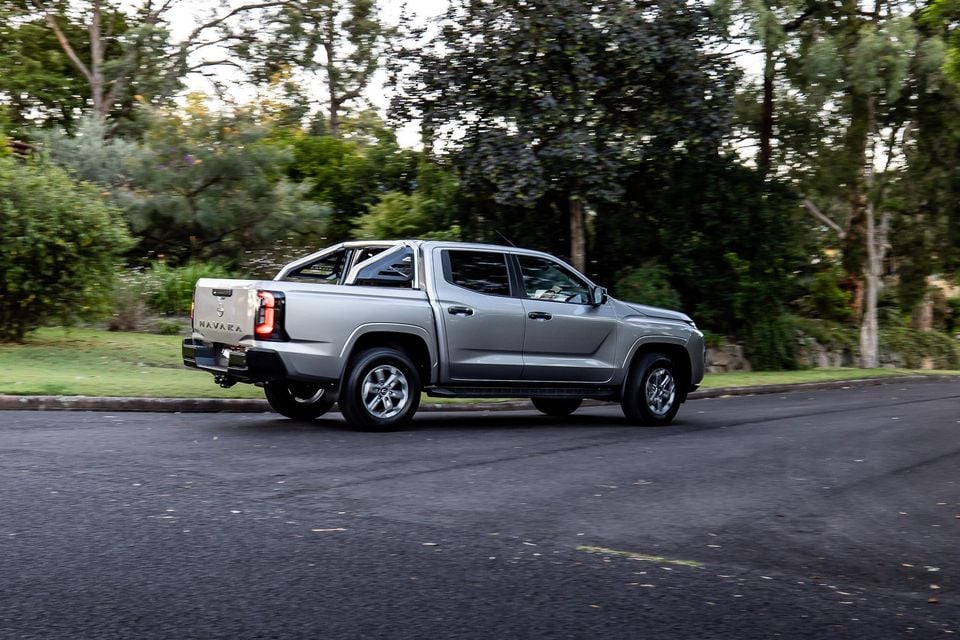
And the powertrain is up for it, too. The Navara (and Triton) outnumber the likes of the Tasman, D-Max and BT-50 for grunt, and it feels pretty brisk in its response when on the move.
I had a couple of moments of excessive lag though, and the transmission – while mostly well-mannered in its responses – doesn’t mind letting the engine labour a bit, which I’m okay with if it has enough torque. And this engine does.
The biggest issue I had with this ute is the amount of noise in the cabin. The ST seemingly has less sound deadening than the Pro-4X, as you can always hear the engine rumbling away, and when the fans kick in at urban speeds it can be rather raucous.
And then there’s the driver monitoring camera system, which can get f#&ked. I said that to it a few times, in fact, because it regularly gets ‘distraction’ warnings wrong, and at one stage when I yawned (to unblock my ears – sinus issues!) it proceeded to chime at me incessantly at least a dozen more times.
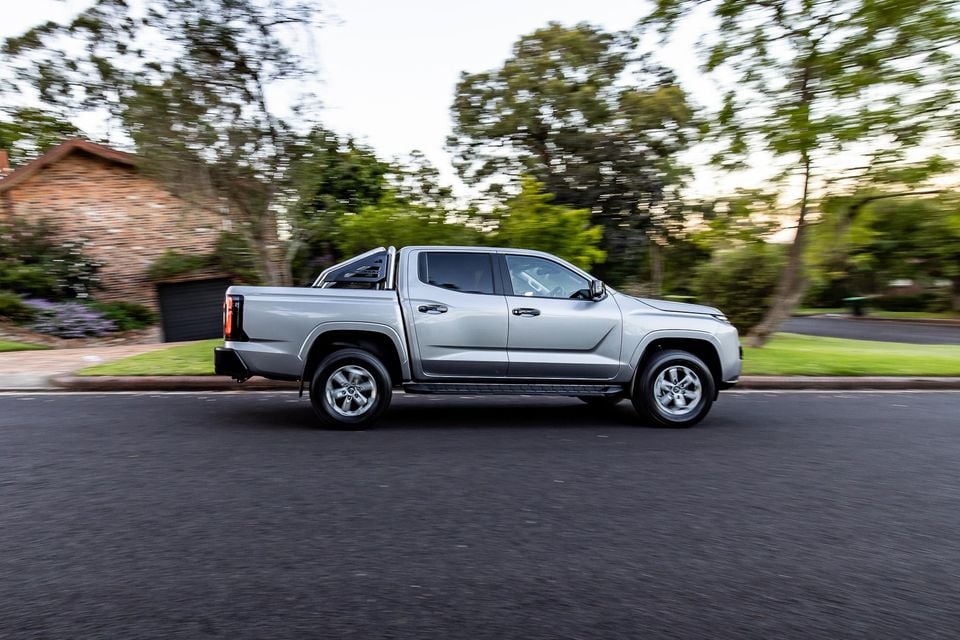
The issue with the driver distraction and fatigue warning system is both the calibration and the interpretation of what is appropriate – it also has a display that shows up on the driver info screen alongside other vital information and it can, well, distract and fatigue you in its own right.
Otherwise, it’s easy enough to get along with. But some other utes do the driver monitoring thing better than this one.
To see how the Nissan Navara lines up against the competition, check out our comparison tool
What do you get?
Here’s the rundown of the Navara’s standard equipment across each of the different grades.
2026 Nissan Navara SL equipment highlights:
- 17-inch steel wheels with 265/65R17 all-terrain tyres
- Full-size matching spare
- Front and rear mud flaps
- Tailgate assist, lock
- Automatic LED headlights
- Automatic high-beam
- Rain-sensing wipers
- 7.0-inch instrument cluster screen
- 9.0-inch touchscreen infotainment system
- Wireless Apple CarPlay and wired Android Auto
- Satellite navigation
- DAB+ digital radio
- 4-speaker sound system
- Climate control air-conditioning with second-row air vents
- Urethane steering wheel
- Black fabric upholstery
- Vinyl floors
The ST adds:
- LED front fog lights
- Side steps
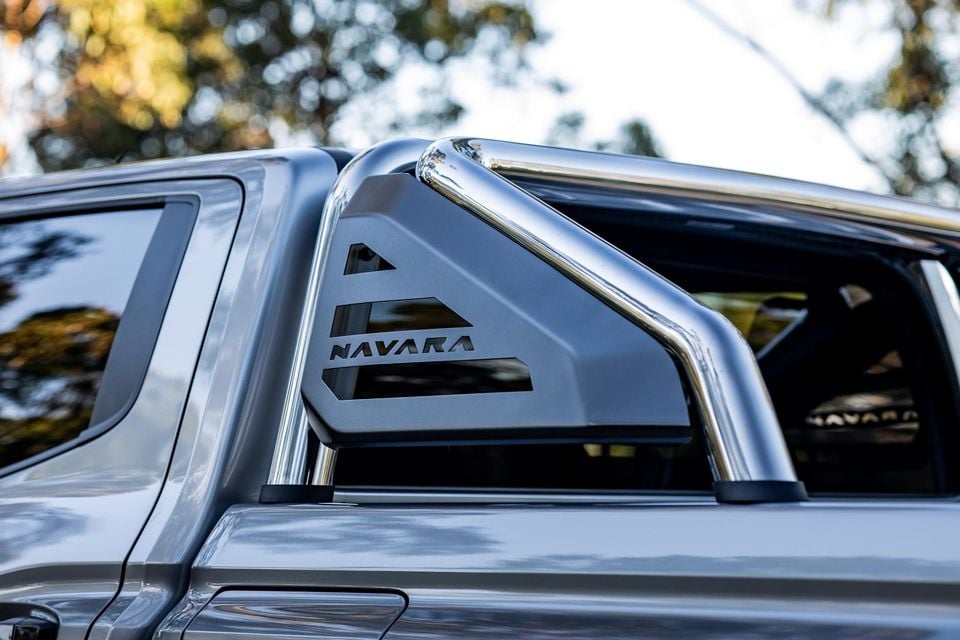
- Polished sports bar
- Grey mirror caps, door handles
- Leather-accented steering wheel
- Auto-dimming rear-view mirror
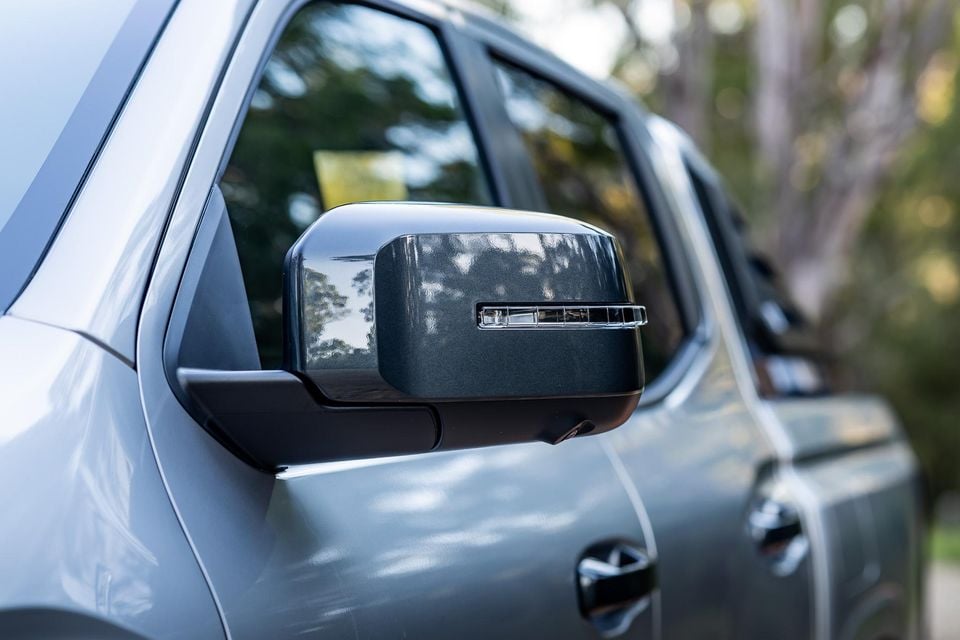
- Power-folding, heated exterior mirrors
- Rear privacy glass
- 1 x USB-C outlet (rear)
- 1 x USB-A outlet (rear)
- Carpeted floors
From expert reviews to the right deal
CarExpert brings together reviews, research tools and trusted buying support, guiding you from research to delivery with confidence.
ST-X adds:
- 18-inch gunmetal alloy wheels with 265/60R18 highway-terrain tyres
- Hill descent control
- Selectable Normal, Eco, Gravel, Snow, Mud, Sand and Rock drive modes
- Body-colour lower front bumper
- Silver-accented grille
- Tub liner
- Proximity entry with push-button start
- Dual-zone climate control
- Heated front seats
- Black leather-accented upholstery
- 8-way power driver’s seat with 2-way power lumbar
- 6-speaker sound system
- Carpet floor mats
- Sunvisor vanity mirrors
- 2 x glove boxes with lids
- Leather-accented shifter with PVC boot
- PVC centre console lid
Pro-4X adds:
- 17-inch matte black alloy wheels with 265/65R17 all-terrain tyres
- Tow bar
- Red-accented grille
- Gloss-black mirror caps, door handles, roof rails
- Black sports bar
- Black wheel-arch flares with red accents
- Black leather-accented upholstery with red accents
- Leather-accented steering wheel with orange stitching
- Black headliner and A-pillar trim
- PVC centre console lid with orange stitching
To see how the Nissan Navara lines up against the competition, check out our comparison tool
Is the Nissan Navara safe?
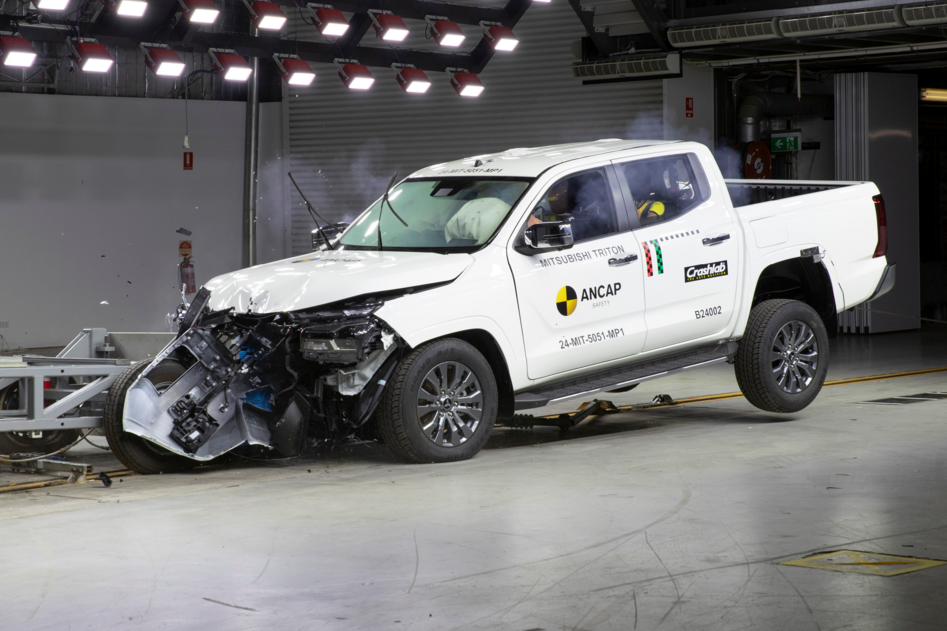
The Navara was awarded the maximum five-star ANCAP safety rating based on testing of its fraternal twin, the Triton.
| Category | Nissan Navara |
|---|---|
| Adult occupant protection | 86 per cent |
| Child occupant protection | 89 per cent |
| Vulnerable road user protection | 74 per cent |
| Safety assist | 70 per cent |
It comes as standard with the following safety features:
- Auto Emergency Braking
- Emergency Lane Assist
- Traffic Sign Recognition
- Lane Departure Warning with Emergency Lane Assist
- Blind Spot Warning with Lane Change Assist
- Front and Rear Cross Traffic Alert
- High Beam Assist
- Intelligent Speed Limiter
- Driver Monitoring System
- Adaptive Cruise Control
- Surround-view camera system
The Navara ute range comes with eight airbags – dual front, driver’s knee, front centre, front side, and full-length curtains.
To see how the Nissan Navara lines up against the competition, check out our comparison tool
How much does the Nissan Navara cost to run?
Nissan models are covered by a standard five-year, unlimited-kilometre warranty.
| Servicing and Warranty | Nissan Navara |
|---|---|
| Warranty | 10 years, 300,000km (conditional) |
| Roadside assistance | 10 years, 300,000km (conditional) |
| Service intervals | 12 months, 15,000km |
| Capped-price servicing | 5 years |
| Average annual service cost | $499 |
| Total capped-price service cost | $2495 |
But if you service with the Japanese brand’s network of locations, your vehicle may be eligible for an extended 10-year, 300,000km warranty. That’s very enticing, especially if you’re a tradie or business buyer who only turns over their truck once in a blue moon.
Servicing intervals are the expected 12 months/15,000km, and the first five services are capped at $499 per visit.
If you service with Nissan, you can also access a potential 10-year/300,000km roadside assistance program, too.
To see how the Nissan Navara lines up against the competition, check out our comparison tool
CarExpert’s Take on the Nissan Navara ST
There are plenty of choices you could make in the dual-cab ute segment, but if you’re after a work-willing or play-ready 4×4 diesel, this could be a strong option.
It drives well, even if it’s a little rough around the edges, and there are some hit-and-miss moments when it comes to the tech, too.
But if you can service it at a Nissan dealer, the potential long-term aftersales benefits are very pragmatic, and it’s a pretty efficient dual-cab diesel, too.
CarExpert can save you thousands on a new Nissan Navara. Click here to get a great deal.
Click the images for the full gallery
MORE: Explore the Nissan Navara showroom
#Nissan #Navara #review1777560977


More Stories
Leapmotor wants to take on BYD and Chery with just one brand
Geely previews next-generation Galaxy concept and 745kW off-road platform
GWM Tank 700 LWB: Even longer version of Toyota LandCruiser rival spied