




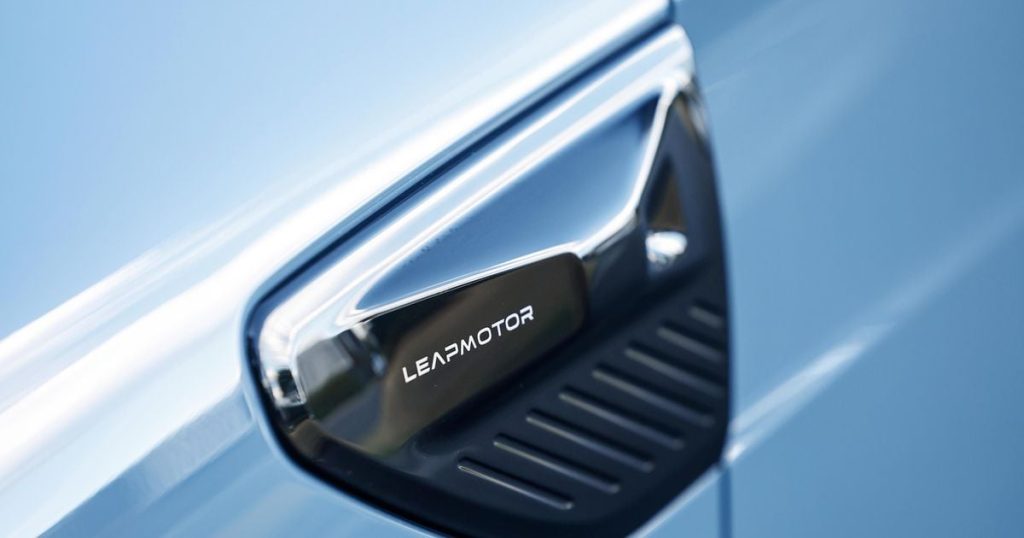
Leapmotor says it will introduce physical keys for new export-market models, addressing one of the most obvious gripes with its current Australian lineup.
Speaking with Australian media in China, Leapmotor International’s Global Head of Brand Strategy, Product and Marketing, Francesco Giacalone, said future models sold outside China will be offered with a conventional key, while still retaining the existing key card as a backup.
The change will apply to upcoming models including the B05 electric hatch, which is due in Australia in the second half of 2026, the B03X small electric SUV, and the D19 large SUV if it is approved for local release.
CarExpert can save you thousands on a new car. Click here to get a great deal.
Mr Giacalone said existing models would also adopt a physical key as part of a model-year change, although Australian timing has yet to be confirmed.
The move is significant because Leapmotor’s current Australian-market models rely heavily on a smartphone app or NFC-style key card rather than a conventional key fob, which has been found to be annoying at times.
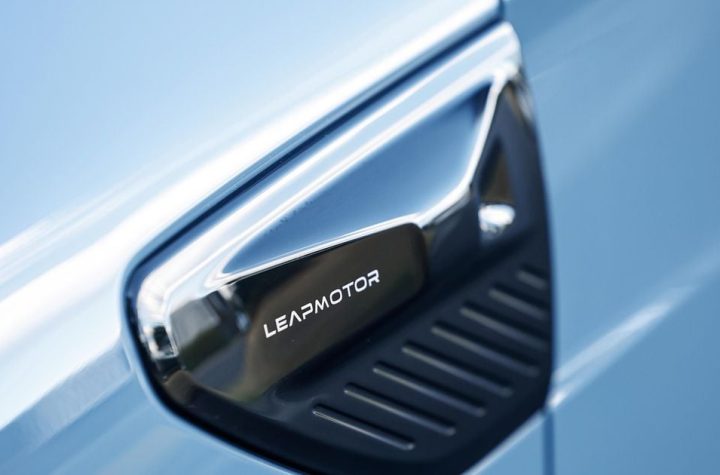
In our Leapmotor C10 review, we noted the mid-size electrified SUV must be unlocked either using a smartphone or by tapping the physical key card on the driver’s side mirror. The review also noted that only one digital key could be used, meaning anyone sharing the car would need to use the physical key card. The same issue is present in the newer B10 small electric SUV.
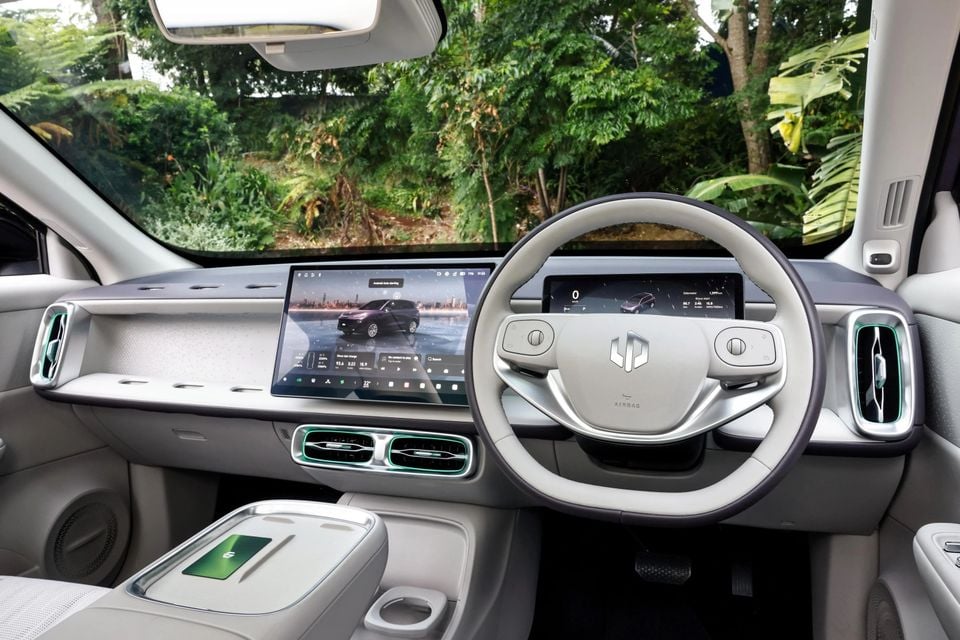
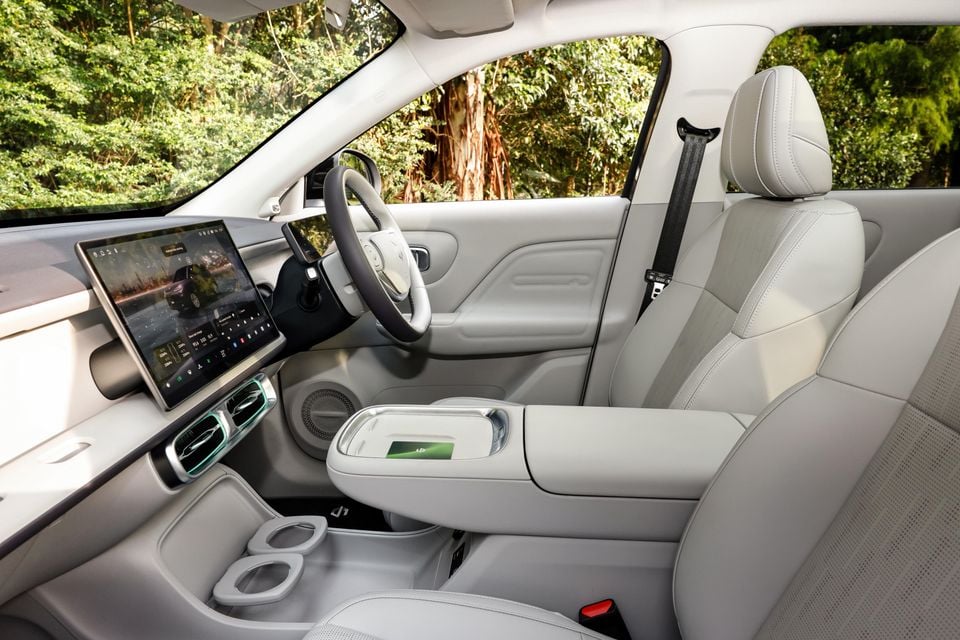
The key-card sensor inside the vehicle also occupies the left-hand pad ahead of the centre armrest, next to the actual wireless phone charger.
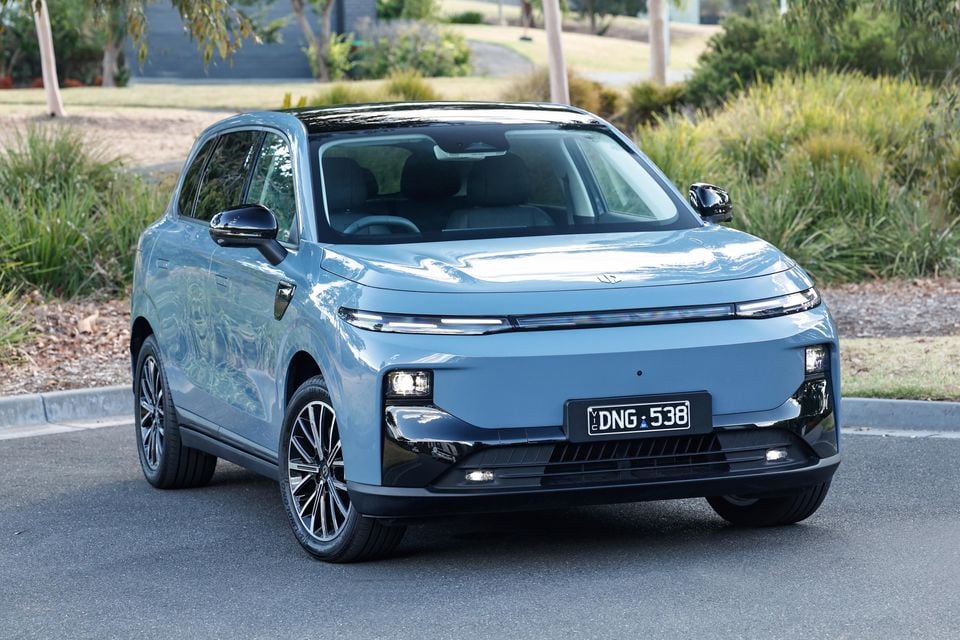
The system has also drawn criticism from owners. In a CarExpert owner review of the Leapmotor C10 REEV, the owner said they still didn’t like using the NFC card to unlock and start the car, particularly in the rain, adding that while the phone app helped, “a physical key fob would be better”.
Leapmotor will not abandon the key card entirely. Instead, Mr Giacalone said the company would continue to offer it as an additional backup, alongside the smartphone app and the new physical key.
That means future Leapmotor buyers should be able to access the vehicle in three ways: via the phone app, the key card, or a conventional key.
The decision is another example of Leapmotor adapting its Chinese-market products for export markets such as Australia and Europe, and doing it quickly.
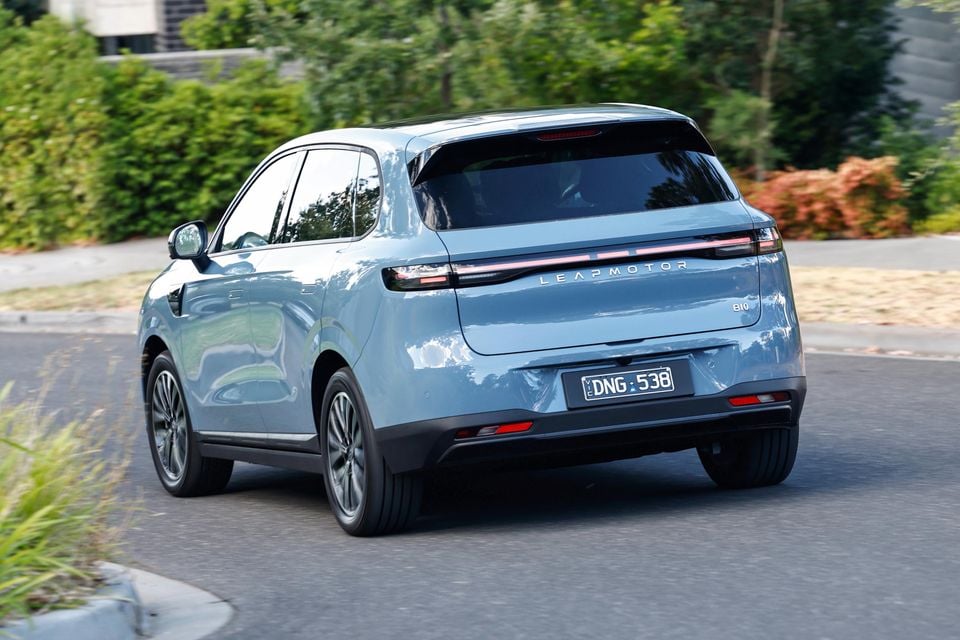
The brand launched in Australia with the C10 in late 2024, before adding the B10 as its second local model earlier this year. The B10 launched from $38,990 drive-away, making it Australia’s most affordable small electric SUV when it was released.
The B10 is now priced from $37,888 before on-road costs in entry-level Style guise, with the longer-range Design LR variant priced from $40,888 before on-roads.
Leapmotor is also preparing to expand its Australian range with the B05, a Volkswagen Golf-size rear-wheel drive electric hatch due in the second half of 2026.
The brand is also looking at the smaller A10/B03X electric SUV and the larger D19 electric SUV for Australia.
Leapmotor’s local sales volumes remain modest, but they are growing. Leapmotor delivered 61 vehicles in January, 46 in February and 170 in March 2026, totaling 277 deliveries across the first quarter.
In March 2026, Leapmotor outsold several fellow Stellantis-distributed brands in Australia, including Peugeot, Jeep and Alfa Romeo, although it remained behind Fiat.
MORE: Explore the Leapmotor showroom
Electric Cars,Electric Vehicle#Leapmotor #fixes #annoying #039features0391777520020

More Stories
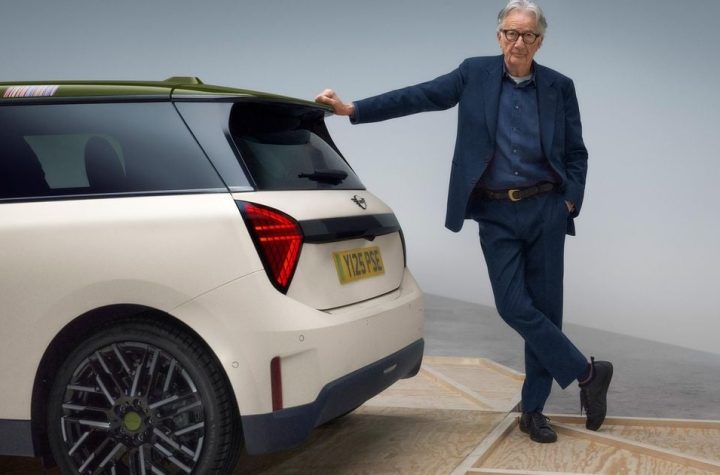
2026 Mini Cooper SE Paul Smith Edition arrives in Australia
Leapmotor ute still on the table, but there’s one big problem
2026 Volkswagen Golf and T-Roc Hybrid revealed, Australian plans unclear