





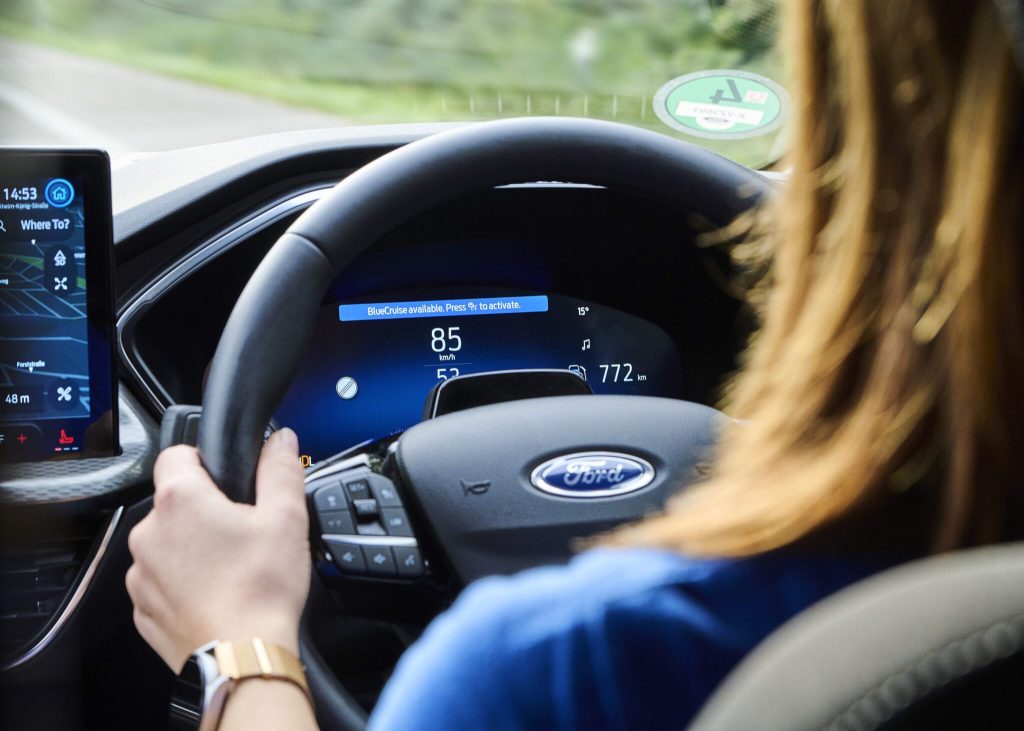
The recall landscape is evolving rapidly in the wake of new technology, often in unexpected ways. By Megan Lampinen
Safety is at the heart of the industry’s push towards new mobility and Vision Zero, but the onslaught of new technologies can backfire. As cars become increasingly complex, the risk of a fault—and a subsequent recall—grows. It’s an inevitable part of doing business today, but the toll on a company can be significant.
The scope of the problem
Over the course of 2025, the US industry alone saw 928 automotive recalls covering 27.42 million vehicles, according to Sedgwick data. That’s a year-on-year drop from the previous year’s 988 recalls across 31.97 million vehicles, and an 11-year low in terms of overall units recalled, but still a serious problem. Recalls are expensive and operationally demanding, costing millions of dollars and taking months to rectify. They potentially divert attention and resources from more lucrative business areas like innovation and may negatively impact brand reputation.
Ford is experiencing all of these symptoms. In 2025, the automaker accounted for 153 US recalls covering about 13 million vehicles, by far the most of any automaker. In fact, it’s more than the following companies combined: Toyota recalled 3.2 million vehicles, Stellantis 2.78 million, Honda 1.56 million, Hyundai 1.08 million and General Motors 998,260. Unfortunately for Ford, 2025 was not an anomaly—the automaker has led the recall charts for the past several years.

Ford Chief Executive Jim Farley has used the phrase “self-inflicted wounds” to describe the persistent high warranty and recall costs, which regularly exceed US$4bn. According to an SEC filing, the single recall of 694,000 Bronco Sports/Escapes for a faulty fuel injector in 2025 cost Ford an estimated US$570m. On top of expenses like these, Ford has also been hit by a US$165m civil penalty from NHTSA for delayed recalls.
Management previously suggested that the high recall numbers were due to older models in the field. As many of the latest recalls involve newer vehicles, that theory hasn’t held water. Farley has stated that improving vehicle quality represents the “largest near-term opportunity” to lower costs.
In 2024, Ford initiated a new quality programme involving “testing vehicles to failure” as a way to find potential problems before they surfaced in the field, warning at the time that it would take 18 months to realise the benefits of this strategy. In theory, the fruits of that strategy should appear in 2026, but they haven’t yet. So far, Ford has issued 17 separate recalls for more than 7.3 million vehicles, putting it on track to surpass the 2025 record.
New tech teething problems
“There’s no obvious answer to why Ford has to undertake more recalls compared to any other automotive brand,” says recall specialist Pete Gillett, Chief Executive of Marketpoint Recall. “Modern vehicles are extraordinarily complex machines. A single car contains tens of thousands of components sourced from global supplier networks, alongside increasingly sophisticated software and electronics. When something goes wrong anywhere in that ecosystem, it can trigger a recall that affects large numbers of vehicles, not least when you consider the paramount importance of safety.”
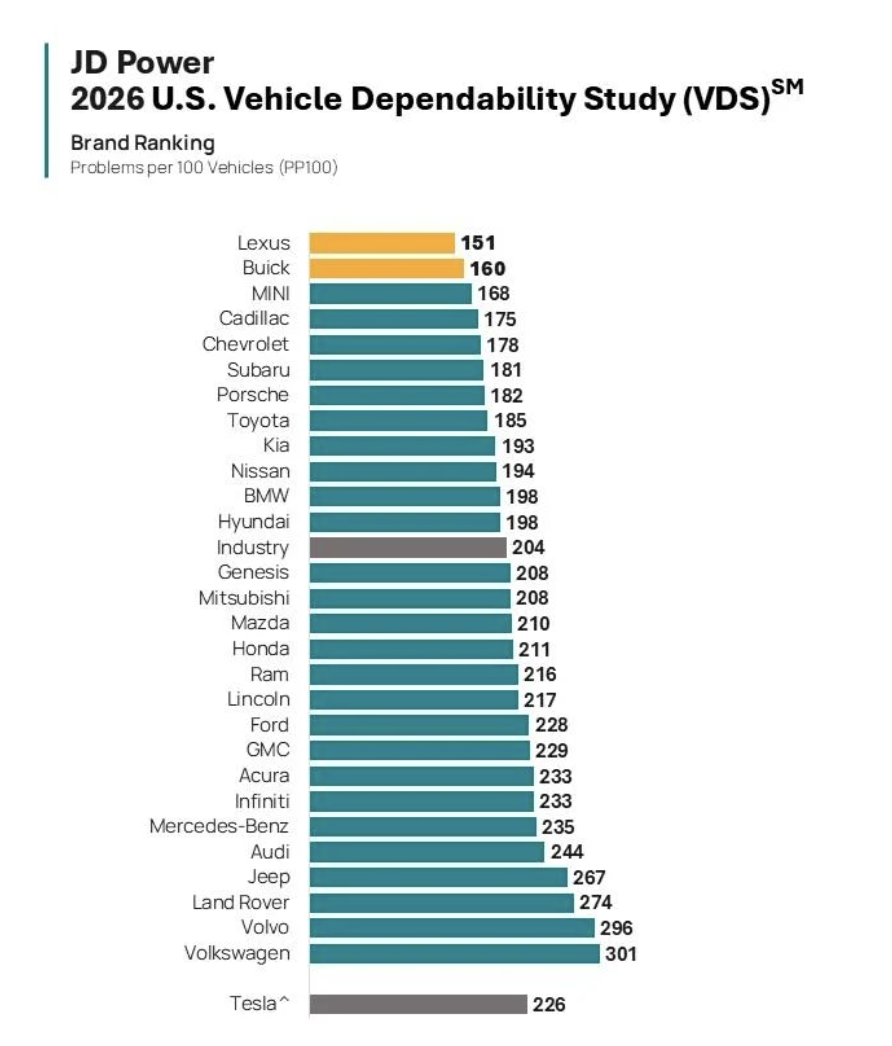
Ford, like many players, is investing heavily in electrification and software, key areas for early glitches. In JD Power’s 2026 Vehicle Dependability Survey (VDS), plug-in hybrids had the most problems of any powertrain type, followed closely by electric vehicles.
Sedgwick’s Recall Index for 2025 shows that electrical systems accounted for 174 of all the automotive recall events in the US, by far the largest single category. However, back-over avoidance systems accounted for the largest number of individual vehicle units recalled, a total of 7.8 million. Ford’s largest recall by volume was for 1.46 million vehicles with “blank or distorted rearview camera” images in September. A similar one for back-up cameras followed in October, covering another 1.45 million. Toyota, Lexus and Subaru also had related recalls.
Generally speaking, any push towards new technology means there’s a good chance of problems emerging. Chris Occleshaw, International Product Recall Consultant at Sedgwick, previously told Automotive World: “Trends around connectivity, digitalisation and electrification are rapidly introducing new innovations in vehicles, creating plenty of opportunity for teething problems.”
Notably, while both Ford and Lincoln scored in the bottom half of JD Power’s 2026 VDS (19th and 20th, respectively, out of 29), they are ahead of other brands with much lower recall rates.
High recall numbers also reflect the growing use of common vehicle platforms. Ford has made a concerted effort to reduce its number of platforms over the years, and should see further consolidation with the upcoming Universal EV Platform. With more new models sharing key components, a single issue with any one of them could have a widespread impact.
The bigger picture
Some analysts have implied there’s a systemic quality problem at Ford, and while it’s certainly not good, the current situation still pales in comparison to previous recall scandals. Toyota’s unintended acceleration troubles, the Takata airbag debacle, the GM ignition switch coverup, Dieselgate—they all saw millions of vehicles recalled and took a hefty bite out of automaker profits, but every one of the players involved emerged with both finances and reputation intact. Much of it comes down to recall management.
“The issue of automotive recalls goes way beyond Ford,” says Gillett. “All automotive brands need to be proactive. That means having systems in place to identify affected vehicles quickly, communicate directly with drivers rather than relying on passive notices, and track responses as the recall unfolds.”
And like the rest of automotive, the technology on this front is maturing, with increasingly sophisticated, data-driven digital systems to provide transparency across various touchpoints. Over-the-air (OTA) updates also promise to reduce recall costs for automakers and improve repair convenience for consumers. In fact, Ford has said it will fix one of its latest recalls—4.3 million vehicles affected by a software glitch in the integrated trailer module—with OTA.
As the industry shift towards platform consolidation continues and regulatory scrutiny increases, automakers will need to pay as much attention to their response infrastructure as their quality assurance protocols. Steps like this won’t magic away systemic quality issues, but they could reduce some of the financial toll of recalls and ensure that any near-term ‘self-inflicted wounds’ don’t become fatal.
Articles,E-Mobility,OEMs,Software-Defined Vehicle,Ford Motor Company,Megan LampinenFord Motor Company,Megan Lampinen#Fords #recall #habit #prove #fatal1773838912

More Stories
Pony.ai, CATL partner on first L4 electric light truck
UK lays regulations for automated passenger services
Leapmotor reveals China-only B05 Ultra at Beijing show