
Volkswagen is Europe’s biggest automaker, and therefore unsurprisingly the first to benefit from the new price minimums tariff structure. By Stewart Burnett
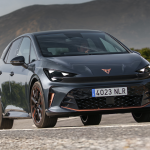
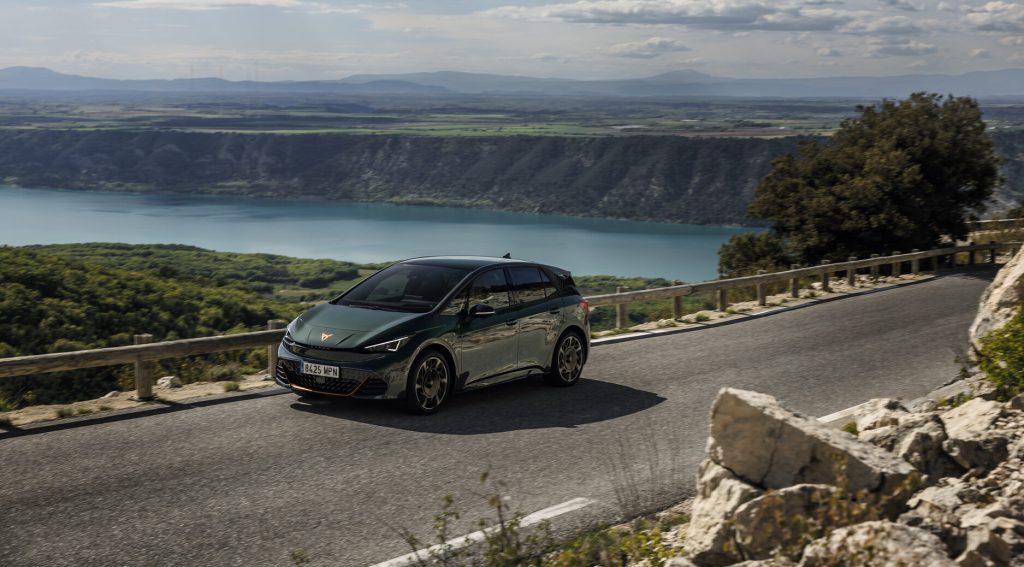
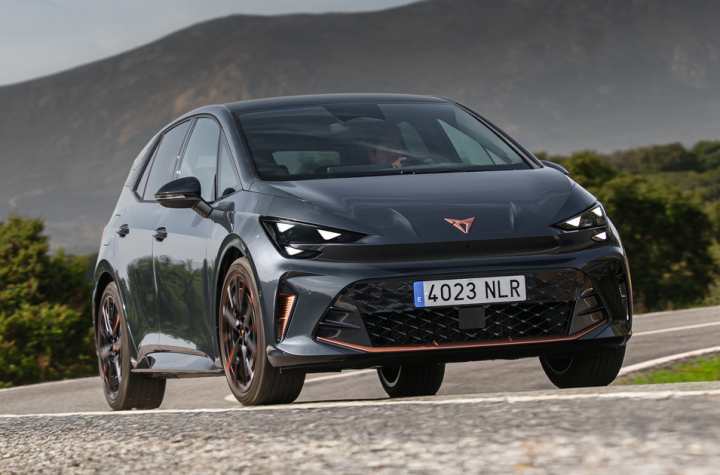
The EU has granted Volkswagen Anhui the first-ever exemption on tariffs for a China-made electric vehicle (EV) under its new price undertaking framework, sparing the Cupra Tavascan SUV entirely from a 20.7% countervailing duty it would have otherwise paid. The European Commission confirmed that it accepted VW’s application to sell the compact SUV at or above a proposed minimum import price, which came alongside commitments to an import quota and significant battery EV-related investments in the EU.
The exemption marks the first approval under a mechanism announced in January that allows automakers to swap tariffs for minimum pricing commitments, designed to thaw trade tensions while—by and large—protecting European automakers from lower-cost Chinese imports. Volkswagen Anhui submitted its proposal in December following the EU’s decision to impose additional duties for five years after concluding an anti-subsidy investigation launched back in October 2023.
The new framework enables the EU to secure investment pledges while maintaining a broad pricing discipline, preventing automakers from undercutting domestic rivals like Renault or Stellantis. Volkswagen is pouring billions into the Anhui facility where the Tavascan is made—notably while laying off tens of thousands of its German workers. The exemption should allow the automaker to bolster margins that had been eroded under the original tariff structure. The EC did not disclose specific details of the minimum price or quota agreed.
China’s Chamber of Commerce said on 11 February—shortly after the Cupra news broke—that some Chinese EV makers are considering submitting their own price undertaking proposals, expressing hope for an equally fair shake at European markets. The chamber recommended maintaining close communication with companies to ensure that arrangements remain practical and predictable, noting that Chinese EV makers often manage multiple export models and complex business structures.
The tariff exemption mechanism contrasts with the tiered duty structure imposed in 2024, which varies significantly from automaker to automaker. Tesla secured by far the lowest rate at 7.8% through an individual examination request, demonstrating appreciably lower subsidy intensity than its native Chinese counterparts. At the time of writing, BYD faces individual duties of 17%, Geely 18.8%, and SAIC a maximum 35.3% penalty for non-cooperation with EU investigators. A flat surcharge of 10% is levied in addition to these individual rates for all automakers.
The new framework effectively creates three pathways for Chinese EV imports: paying the assigned tariff, negotiating a minimum price undertaking, or manufacturing within Europe to bypass duties entirely. Tesla has remained quiet on price undertakings, likely because its sub-10% tariff creates less pressure to accept minimum pricing that could force higher increases than simply paying the duty.
E-Mobility,Manufacturing,Markets,News,OEMs,Stewart Burnett,Volkswagen GroupStewart Burnett,Volkswagen Group#VWs #Cupra #Tavascan #dodge #EUs #China #tariffs1770792948
More Stories
Pony.ai, CATL partner on first L4 electric light truck
UK lays regulations for automated passenger services
Leapmotor reveals China-only B05 Ultra at Beijing show