


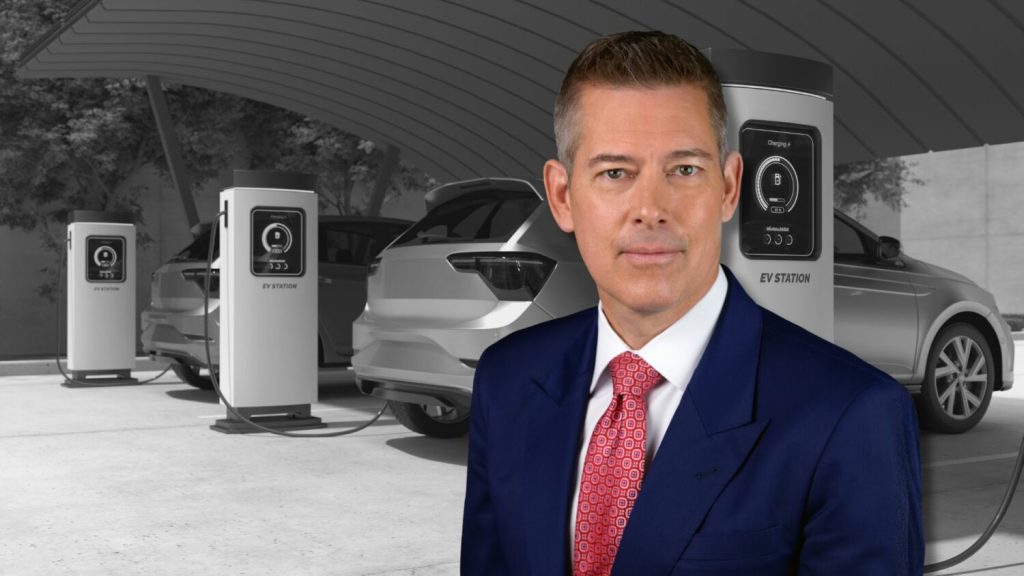
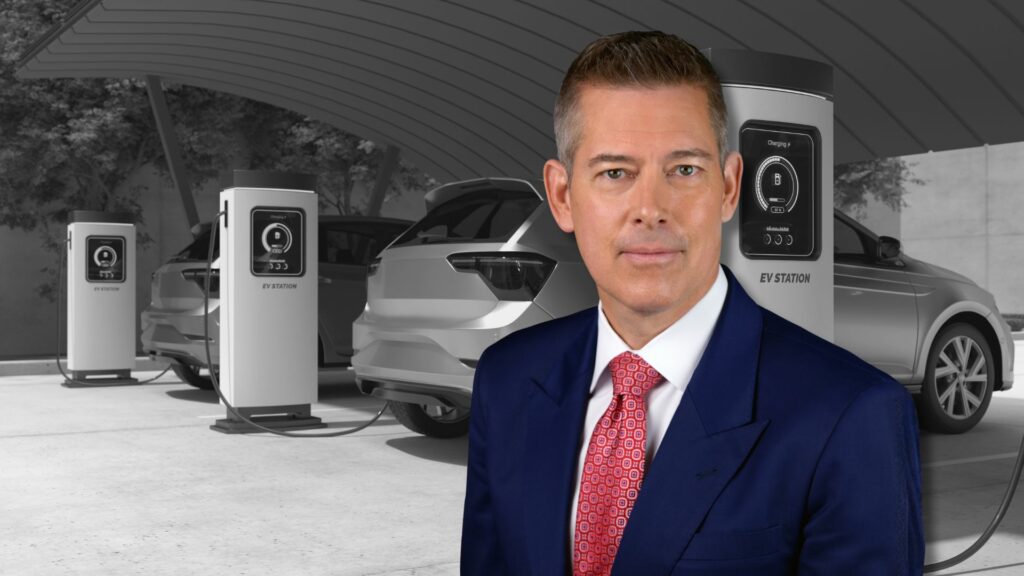
The proposal would raise the domestic content requirement for federally funded EV chargers from 55% to as high as 100%, potentially reshaping the rollout of infrastructure.

On the Dash:
- Stricter domestic sourcing requirements may slow installation timelines in some markets, potentially affecting EV adoption rates that dealers rely on for long-term electrification strategies.
- Dealers working with domestic charging partners could see new opportunities if infrastructure contracts increasingly favor American-made equipment.
- Ongoing legal challenges and federal rule changes add another layer of unpredictability for dealers investing in EV inventory, training, and on-site charging infrastructure.
The U.S. Department of Transportation on Feb. 10 proposed increasing American content requirements for federally funded electric vehicle charging stations from 55% to as much as 100.
The proposal, first reported by Reuters, would take effect immediately once the changes are finalized. Transportation Secretary Sean Duffy said the higher domestic content threshold would “strengthen domestic manufacturing” and protect Americans from “foreign-made” components that may pose cybersecurity risks. Additionally, the department said it believes manufacturers have the capacity to produce EV chargers in U.S. facilities.
Sign up for CBT News’ daily newsletter and get the latest industry stories delivered straight to your inbox.
The changes would affect the $5 billion National Electric Vehicle Infrastructure (NEVI) Formula Program established under the Infrastructure Investment and Jobs Act signed into law in 2021. During the Biden administration, the Federal Highway Administration waived certain “Buy America” requirements related to steel, iron, and construction materials to accelerate charger deployment.
Moreover, last month, U.S. District Judge Tana Lin ruled that the current administration unlawfully suspended funding intended to support the expansion of EV charging infrastructure. Multiple states brought the lawsuit after the Transportation Department paused the program in February.
Since the lawsuit, Duffy said the department has updated EV charging guidance and made it easier for states to build charging ports, resulting in nearly twice as many charging ports completed during the Biden administration.
EVs & Technology,Articles,Headlines,EV news,Department of Transportation,car business,Retail Automotive,electric vehicles,dealership news#U.S #proposes #boosting #Americanmade #requirements #federally #funded #charges1770905700

More Stories
Weekly roundup: FTC wants dealers to report deceptive pricing, Ford boost U.S. assembly, Carvana expands dealership portfolio
Autonomous future back in focus as Waymo expands, Uber reinvests billions
New car sales drop 7.3% in April, but don’t blame buyers