



Trump’s EPA has swept away the landmark findings underpinning every major piece of US climate regulation for the last 17 years. By Stewart Burnett
The Trump Administration repealed the landmark 2009 Endangerment Finding on 12 February, destroying the Environmental Protection Agency’s (EPA’s) ability to regulate greenhouse gas emissions from vehicles and industrial sources. President Donald Trump claimed it would save the automotive industry more than US$1.3tr in compliance costs while causing car prices to “come tumbling down”; climate activist groups, former government officials and public bodies have described the move as “ruinous” and “authoritarian” and warned it will have consequences that last for decades.
The Endangerment Finding determined that six greenhouse gases could be categorised as dangerous to human health under the Clean Air Act. It has underpinned the EPA’s authority to limit planet-warming pollution from vehicles, power plants and oil and gas operations since the Obama Administration. “We are officially terminating the so-called endangerment finding,” Trump said, calling the policy “disastrous”, a “giant scam” and claiming it “has nothing to do with public health”.
The repeal immediately eliminates federal greenhouse gas emissions standards for vehicles of all types, which were justified by the finding. Transportation accounts for 28% of US emissions, making it the largest single source of climate pollution in the country. Under former president Joe Biden, the EPA sought to tighten those standards in an effort to nudge the automotive industry away from fossil fuel dependency and towards cleaner hybrids and electric vehicles (EVs). In the year since Trump resumed office, the industry has largely backtracked on these efforts and taken billions of dollars in writedowns on their electrification ambitions in order to do so.
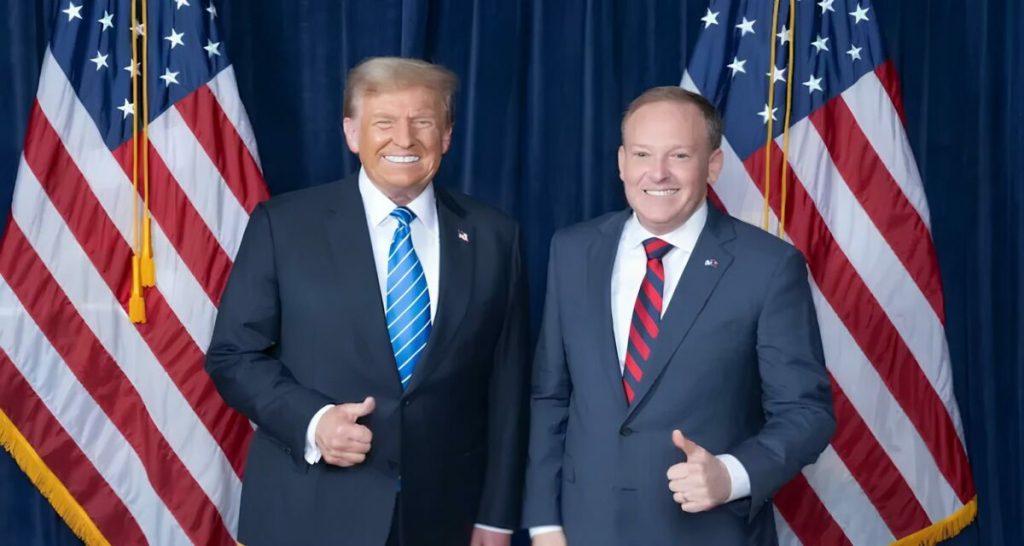
The Trump Administration’s argument is straightforward: the Obama and Biden administrations exceeded their legal authority in using the Clean Air Act to regulate climate pollution. EPA Administrator Lee Zeldin said the Clean Air Act “does not provide statutory authority for EPA” to put forward vehicle emissions standards, “including for the purpose of addressing global climate change”.
Legal precedent has granted the government regulatory powers over climate pollution, with the US Supreme Court ruling back in 2007 that the EPA had the authority to regulate such emissions. Climate, public health and environmental groups promised immediate legal challenges to the agency’s move. California Governor Gavin Newsom pledged a court challenge, saying: “if this reckless decision survives legal challenges, it will lead to more deadly wildfires, more extreme heat deaths, more climate-driven floods and droughts”.
California and more than 20 other states are expected to sue to maintain their own stricter standards, threatening a fragmented market in which automakers must build different models for different states. Newsom’s administration is already working to implement a band-aid substitute for the loss of EV tax credits; since their elimination last October, national EV sales have entered a tailspin.
Public reactions from the automotive industry have been mixed, with some companies welcoming deregulation while others warned of chaos. The Alliance for Automotive Innovation—a lobbying group representing virtually every automaker operating in the US except Tesla and Rivian—declined to say whether it supported the move. Still, it noted that the Biden Administration’s standards were “extremely challenging for automakers to achieve given the current marketplace demand”.
Another industry lobby, the Edison Electric Institute, warned that ending federal regulation could stall growth, lead to balkanised state-level regulations and create longer, less-predictable permitting and construction timelines. Some of the nation’s largest refineries, petrochemical facilities and power plants applied for presidential exemptions from Biden-era air pollution rules.
Most major automakers—including General Motors, Ford and Volkswagen—have already invested tens of billions into electrification based on accumulated regulations under the endangerment finding. The sudden policy reversal will likely devalue these investments—or at least the ones not already backtracked—while eliminating the market for regulatory credits that companies like Tesla and Rivian used as a lifeline on their path towards profitability.
Automakers will now face a split world where they must still build fuel efficient or battery-electric models to compete in Europe, Canada and China, potentially forcing them to run two separate, expensive global product lines. It could also leave global automakers more exposed than ever to Chinese counterparts that have already established a clear advantage on green technology and cost-competitiveness.
The EPA has taken more than 40 deregulatory actions since Trump returned to office, compared with almost 60 across his entire first term, according to tracking by Columbia University researchers. The agency expects to lose more than 3,500 employees by September 2026— more than 20% of its overall workforce—through layoffs, firings, resignations and early retirement incentive programmes.
E-Mobility,Manufacturing,Markets,News,Stewart BurnettStewart Burnett#Trump #EPA #strips #authority #regulate #car #pollution1770979505

More Stories
Pony.ai, CATL partner on first L4 electric light truck
UK lays regulations for automated passenger services
Leapmotor reveals China-only B05 Ultra at Beijing show