





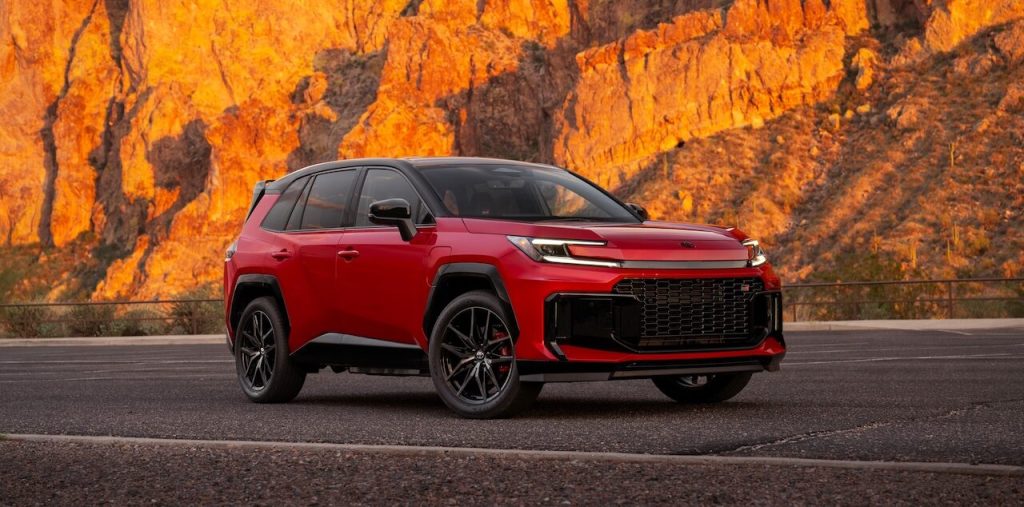
The RAV4 changeover will resolve itself soon, but the cascading consequences of the conflict in Iran may take substantially longer. By Stewart Burnett
Toyota reported a 7.3% decline in global vehicle sales for March 2026, with deliveries falling to 897,871 units including the premium brand Lexus, marking a second consecutive monthly drop. The automaker attributed the result to two key factors: a sharp contraction in Middle East sales following the outbreak of war in Iran, and a production gap created by the changeover from the highly popular RAV4’s current-generation model to a 2026 update.
Sales declines were recorded in virtually every major automotive market: Toyota was down 8.5% in the US, 8% in China, and 7.8% in Japan, with Europe registering a comparatively modest 5.6% decline. The steepest regional fall, of course, was in the Middle East, where volumes collapsed nearly 33% year-on-year to approximately 34,000 units. The automaker pinned this decline on the US-Israel war in Iran and its consequences, chief among them its effect on shipping through the Strait of Hormuz.
In March 2025 Toyota ordered a temporary halt to Japanese production of vehicles bound for Middle East markets. The stop amounts to around 40,000 lost units spread across March and April. Other Japanese automakers taking similar measures include Mazda, which has ordered a total stop on all Middle east-bound vehicles until at least May. Its total production volumes for that region come in around 30,000 per year.
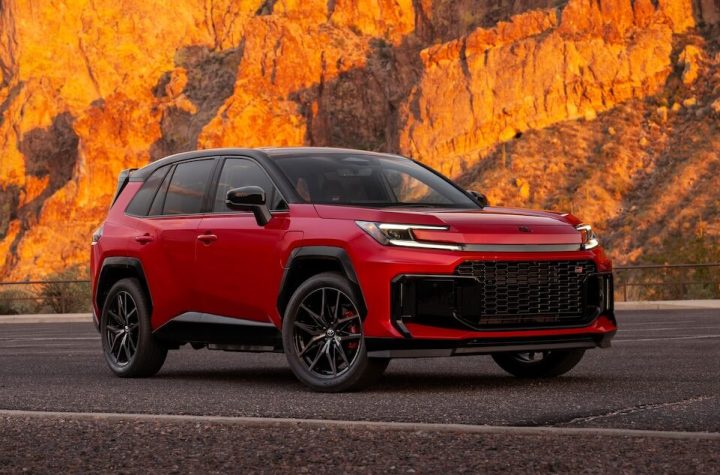
The RAV4 shortage added a second layer to the sales contraction, particularly in the US. Toyota sold just 21,693 RAV4s in the US market in March against 41,509 a year earlier, with the Kentucky assembly plant yet to complete its retooling for the redesigned model. Year-to-date RAV4 sales in the U.S. stand at 59,869 units, barely half the 115,402 recorded through the same period in 2025. Toyota emphasised that the underlying demand remains solid, characterising the shortfall as little more than a production transition.
As such, it is quite likely that the RAV4 gap will close once retooling efforts are complete. The Hormuz disruption, on the other hand, is proving less transitory. Beyond regional sales, Japanese automakers rely on Gulf-sourced aluminium for a significant proportion of their primary metal supply. Aluminium sourced from the Middle East is used extensively across vehicle frames, engine blocks, wheels, and battery housings. Output cuts at major Gulf smelters have tightened availability and pushed prices higher, contributing to the 3.3% domestic production decline Toyota reported in Japan in March.
The disruption is spreading laterally through Toyota’s supply and regional manufacturing network. Pakistan’s Indus Motor Company, which assembles Toyota vehicles domestically, has warned that component and completely knocked-down kit supplies are at risk from Hormuz-related delays.
Hyundai Chief Executive José Muñoz has gone a step further, confirming a full rerouting of the group’s vessels around Africa—adding roughly a fortnight to shipping times—and warning that the conflict has rendered automotive’s long-held assumptions about globally-distributed manufacturing obsolete. “Globalisation is over,” he told Bloomberg in April. “It is completely over.”
Toyota recorded its sixth consecutive year as the world’s top-selling automaker in 2025, moving 10.5 million units, and achieved record full-year global sales of 10.48 million vehicles in the fiscal year ended March 2026—its strongest-ever performance in the US.
Manufacturing,Markets,News,OEMs,Stewart Burnett,Toyota GroupStewart Burnett,Toyota Group#Toyota #sales #dip #month #Iran #war #RAV4 #retool1777353062

More Stories
Joby completes first eVTOL demo flights in New York
Cheery’s Omoda, Jaecoo hit one million sales in three years
Automotive LiDAR market could hit US$6.54bn by 2031