



Stellantis takes another major step to reduce its exposure to the electric vehicle supply chain. By Stewart Burnett
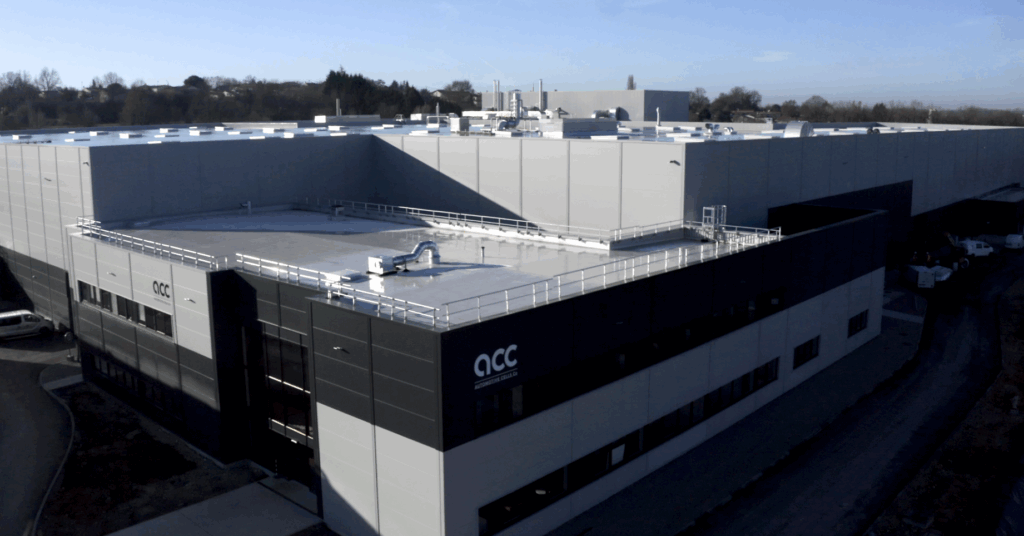
Stellantis-backed battery joint venture (JV) ACC has scrapped years-long plans to build battery gigafactories in Germany and Italy, projects that were first placed on standby in May 2024. The JV between Stellantis, Mercedes-Benz and TotalEnergies said it doesn’t expect conditions to restart the projects to be met, and will instead focus on improving efficiency and competitiveness in its French operations.
Italian metalworkers’ union UILM first broke the news. In a statement, the union said: “ACC management confirmed to us this morning what we’ve long feared: that ACC’s plan to build a gigafactory in Termoli has been definitively shelved, as has the case in Germany.” Another Italian metalworkers’ union, Fiom-Cgil, is now calling for an urgent meeting with ACC and has requested government intervention amid a wider crash in Italian automotive production.
The new ACC sites were among dozens of battery projects emerging in Europe—many of which have fizzled away—as the region seeks to reduce its reliance on Chinese manufacturers like CATL that dominate the market. The original 2024 halt was justified on the basis of exploring less expensive battery technologies.
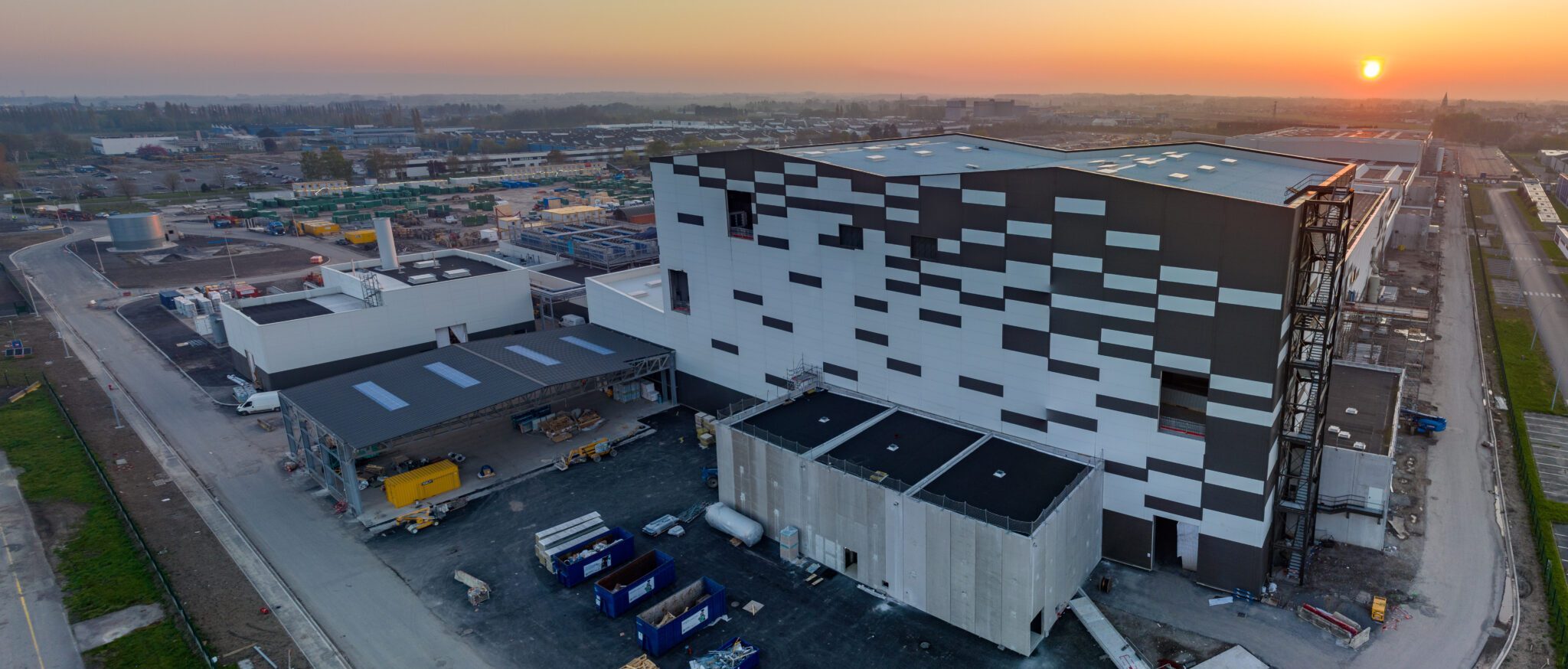
ACC’s French plant has faced high production costs that are 20% to 25% higher than Asian competitors including CATL and BYD. The plant has also been forced to reckon with scrap rates of between 15%-20% that have challenged operational efficiency. Major manufacturers with more mature battery production processes generally experience scrap rates well below 10%.
The decision comes as Stellantis announces an aggressive pullback from investments into electric vehicles more broadly, announcing on 5 February it would record around US$26.5bn in writedowns tied largely to unprofitable projects. Stellantis reported earnings far below expectations and warned it expects to post a second-half deficit of as much as US$1.5bn.
In 2024, the Termoli project inadvertently became the epicentre of tensions between the Italian government and Stellantis, the former criticising the latter for its perceived abandonment of Italian automotive production to pursue cheaper production overseas. Italy withdrew approximately US$295m in EU funds initially earmarked for the gigafactory in September 2024, citing uncertainty over the project’s timetable.
Stellantis maintains it has made substantial efforts to protect its employees in a challenging European vehicle market, pointing to plans for an e-DCT gearbox production line at Termoli by the end of 2026 and investments in Euro 7-compliant GSE engines to ensure continued use beyond 2030. Current ACC employees will be offered employment elsewhere within the company. The automaker said it is closely monitoring the situation and has acknowledged ACC’s decision to enter discussions with social partners.
Stellantis shares plunged as much as 25% in Milan, extending a market-value rout of nearly US$80bn since early 2024 as investors question management’s ability to rebuild trust lost under former Chief Executive Carlos Tavares. The automaker has promised to deliver a new business plan in May 2026, widely expected to prioritise hybrids and plug-in hybrids in the short to medium-term.
E-Mobility,Manufacturing,Markets,News,OEMs,Mercedes-Benz,Stellantis,Stewart BurnettMercedes-Benz,Stellantis,Stewart Burnett#Stellantis #ACC #scraps #Italy #Germany #battery #gigafactories1770671509
More Stories
Pony.ai, CATL partner on first L4 electric light truck
UK lays regulations for automated passenger services
Leapmotor reveals China-only B05 Ultra at Beijing show