

Nvidia has backed UK industrial autonomy startup Oxa in a US$103m round, its second investment in a British self-driving firm in as many months. By Stewart Burnett
Oxford University autonomous driving spin-out Oxa has raised US$103m in a Series D round backed by Nvidia’s venture arm NVentures, the UK government’s National Wealth Fund, which committed US$50m, and existing shareholders including BP Ventures, IP Group and Ocado Group. The funding is arguably a validation of its pivot away from consumer autonomous vehicles towards industrial and commercial vehicle applications.
The company declined to disclose its current valuation, or the size of Nvidia’s individual contribution. A second round is expected later in H1 2026, which could send both sums a great deal higher.
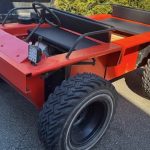
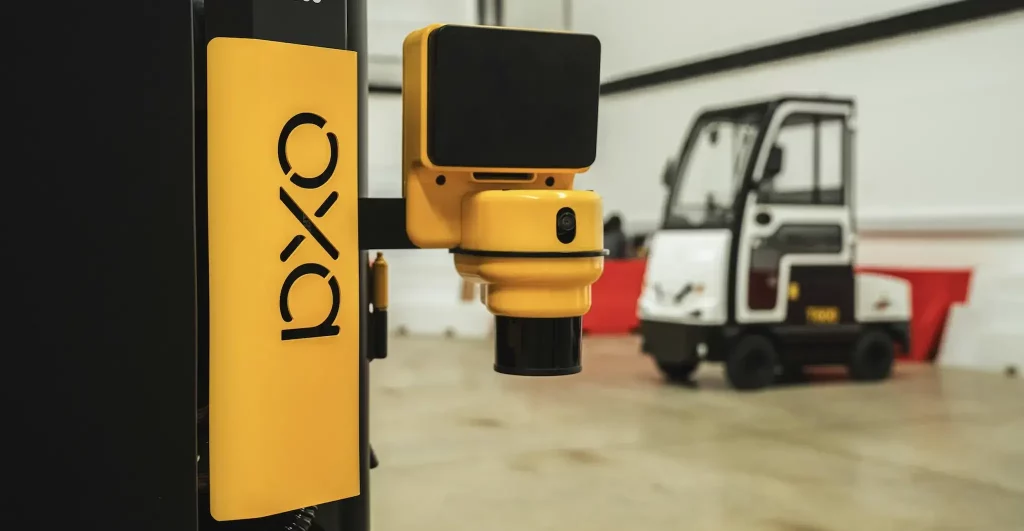
Oxa, despite not being among the more well-known players in autonomy, has been around for a while. Founded in 2014 as Oxbotica from a successful university project developing self-driving technology, the company now focuses on retrofitting existing vehicles such as tow tractors with its Oxa Driver software primarily for use in factories, ports, mines and logistics facilities.
In an interview with Bloomberg, Founder and Chief Technology Officer Paul Newman was direct about the reasoning behind the pivot. “You’ve got to disrupt supply chains, you’ve got uncertain regulatory affairs and it’s unbelievably expensive to get into [on-road autonomy] […] Scaling in that environment is so much harder and the economics are nothing like as attractive as doing it in the industrial domain.” Current commercial deployments include partnerships with DHL, Vantec and BP.
The industrial pivot is also reflected in the funding structure: The National Wealth Fund’s involvement signals that the UK government views Oxa’s logistics automation work as strategically significant. Indeed, Industry Minister Chris McDonald cited the investment as evidence of the country’s strength in connected and automated mobility.
Not all investors are as pleased by Oxa’s recent activities, however. Existing backers IP Group and Ocado Group have recently written down the value of their holdings in the autonomy firm, citing funding delays and changes in commercial outlook, making the fresh capital and Nvidia’s participation particularly timely for the company.
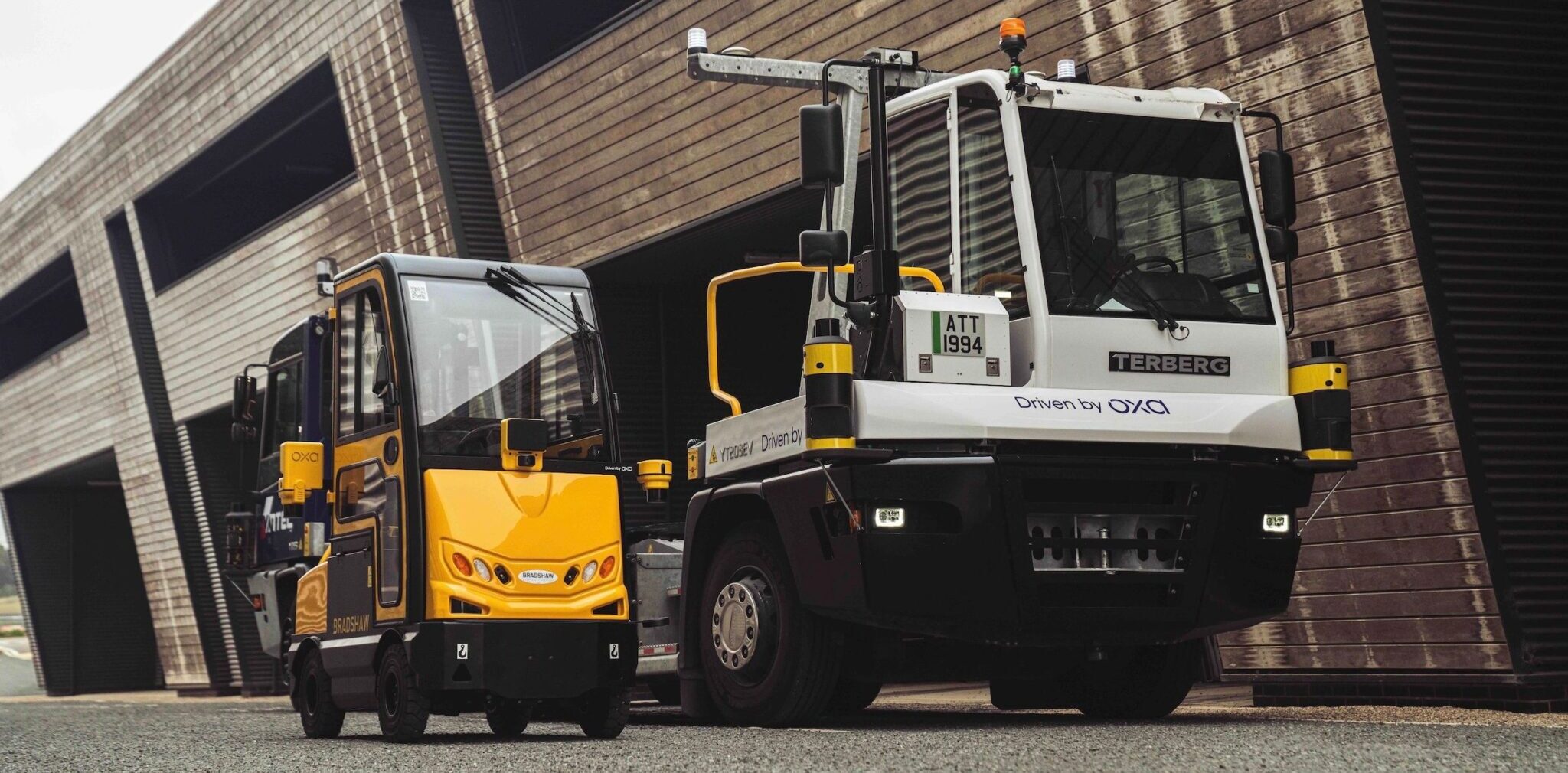
Oxa’s pivot from passenger AV to industrial autonomy reflects a broader recalibration in the sector away from robotaxis. Other noteworthy players in this segment include Caterpillar, SafeAI, and Volvo Autonomous Solutions. The latter is particularly focussed on autonomy in mines.
Structured, predictable environments like mines and warehouses are seen as favorable because they offer faster deployment timelines, clearer unit economics, and far fewer regulatory barriers than public roads. Whether the industrial route ultimately feeds back into road autonomy capability for Oxa in the longer term remains uncertain.
Nvidia’s Oxa investment follows its participation in fellow UK autonomy player Wayve’s US$1.5bn Series C last month, which valued the London-based startup at US$8.6bn. Wayve remains Nvidia’s primary UK bet on road-going autonomy—its end-to-end neural network approach, built on Nvidia’s Drive AGX Thor compute platform, underpins both an assisted-driving product and a Level 4 system targeting robotaxis and consumer vehicles.
Beyond its investment portfolio—and supplying the compute infrastructure to firms ranging from Wayve and Waymo to BYD and Xiaomi—Nvidia is developing a competing robotaxi product of its own. The company is reportedly investing US$3bn in the project, which builds on its Drive AGX Thor system and uses a continuous neural network architecture.
Project lead Ruchi Bhargava is overseeing plans to launch Nvidia robotaxis in US cities. Chief Executive Jensen Huang has hailed autonomous driving as “the first major commercial application of robotics” and a potential trillion-dollar industry in waiting.
Autonomous Driving,Markets,News,Software-Defined Vehicle,Stewart BurnettStewart Burnett#Oxas #pivot #onroad #AVs #paying1772633819

More Stories
Pony.ai, CATL partner on first L4 electric light truck
UK lays regulations for automated passenger services
Leapmotor reveals China-only B05 Ultra at Beijing show