




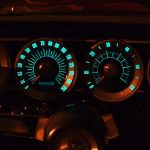
Many of us have become disillusioned with screens in cars, and it’s little mystery why: they can be overwhelming, unsafe, and make simple tasks just plain annoying. They’ve also replaced the intricate artistry of a particularly well-designed physical instrument cluster. Half a century ago, however, traditional gauges melded with emerging technology in a very satisfying way—though it didn’t last.
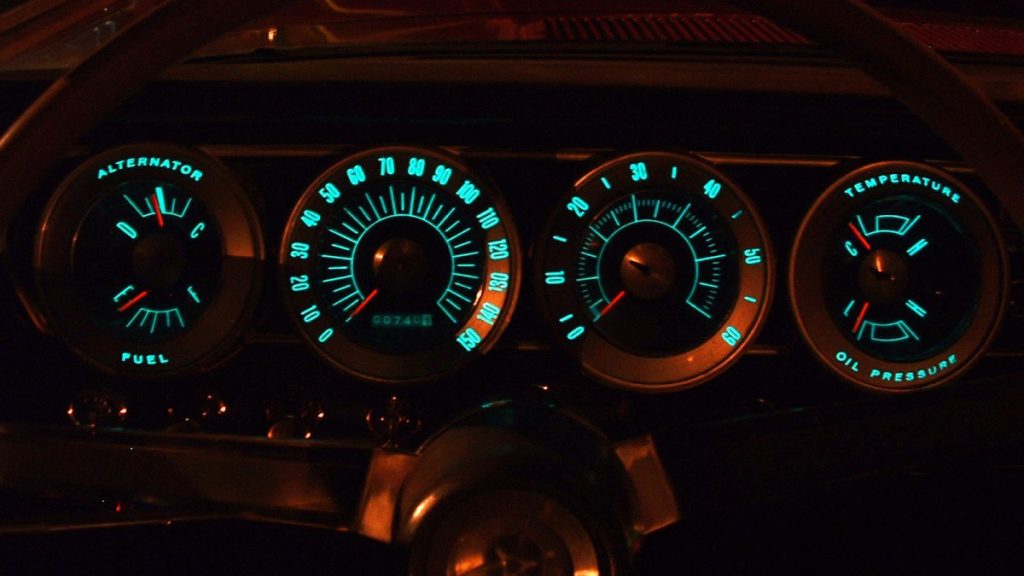
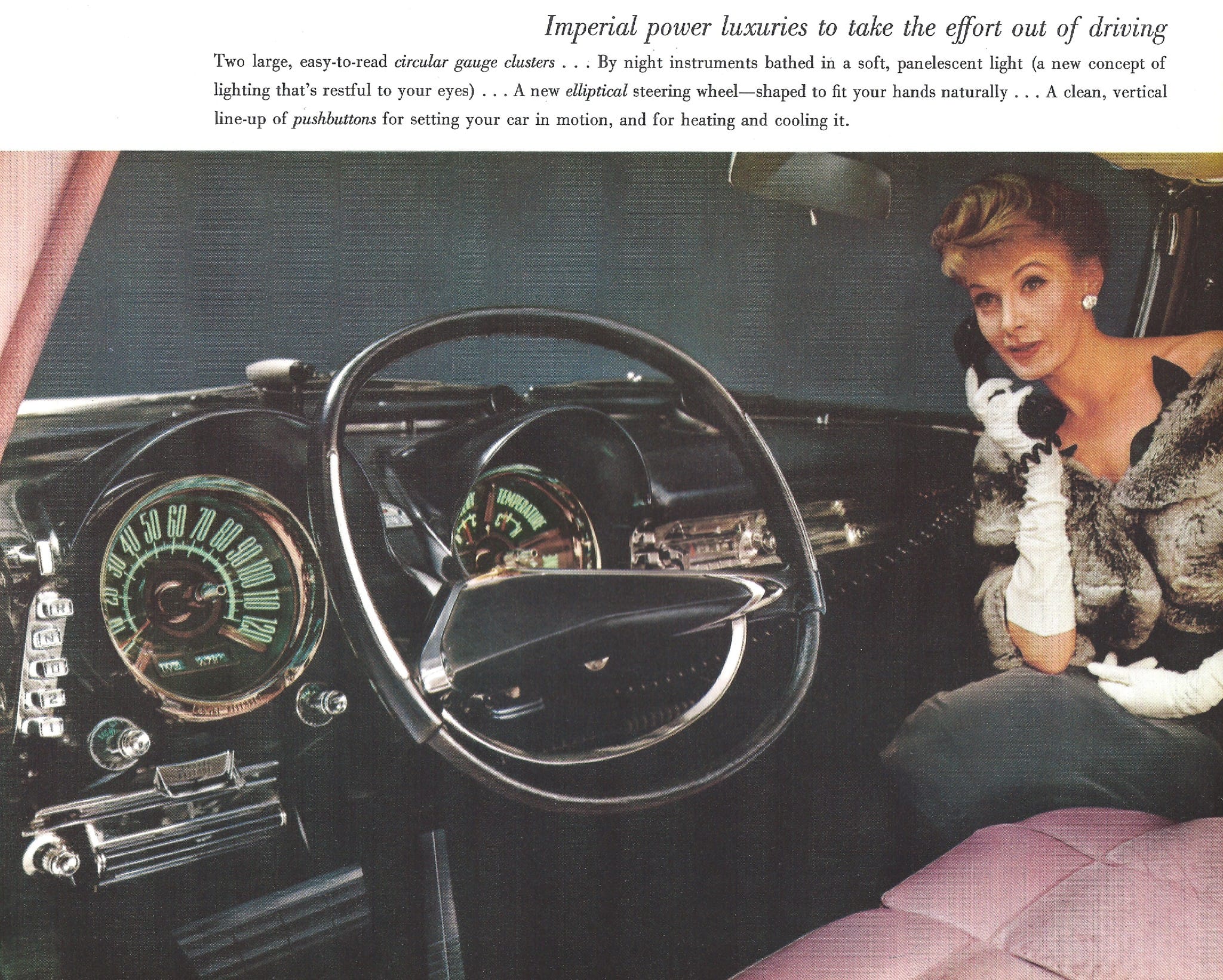
Fans of classic Mopar machinery might know a thing or two about “Panelescent” gauges. Through the 1960s, some Chrysler models, like the Windsor, Saratoga, New Yorker, and Newport, as well as the Dodge Charger later on, incorporated a lighting technology you’d probably know better from that old Timex you had on your wrist in the ’90s.
These ornate, jewel-like instrument clusters featured backlit readouts, only, that backlighting wasn’t provided by tiny incandescent bulbs behind the dash. Rather, they utilized a novel electroluminescent system brought to market by Sylvania. “Panelescent” was one of Sylvania’s marketing monikers for the technology, but the “Indiglo” tech in Timex’s watches, as The Verge’s Sean Hollister points out, functioned similarly.
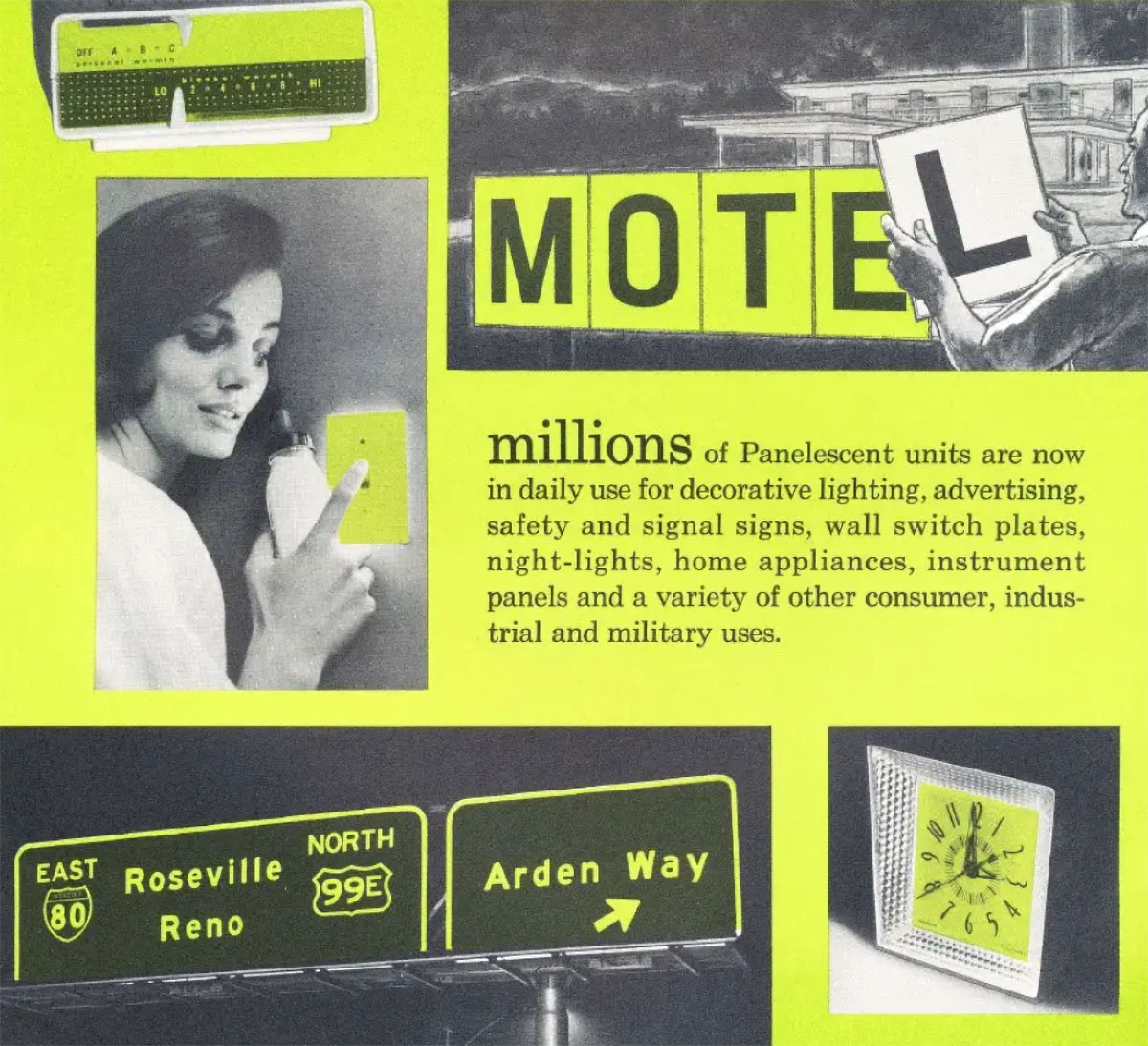
Electroluminescence is the process of sending an electrical current through a phosphor, making the phosphor glow. An electroluminescent array consists of three key pieces, per this helpful explainer from the Edison Tech Center YouTube channel: There’s an opaque, metallic electrode, followed by the phosphor, and then a “clear overlay” which is also conductive, but transmits light. The bottom and top layers are connected to an AC power source, and the current directly excites the electrons in the phosphor, causing them to release energy as light.
This was a breakthrough 60 years ago, and Sylvania marketing materials from the time accurately describe why. The process is energy efficient, produces little heat, and lights with a perfectly even glow that appears consistent from any perspective. That last point is worth stressing, as even modern display technologies sacrifice brightness and color reproduction from oblique angles.

Lit up Electroluminescent instrument panel! 1961 Chrysler Newport
The effect in an old instrument cluster is gorgeous in person, and even striking in photos. You wouldn’t have seen anything like it especially at a time when gauges were front-lit, causing distracting glare and shadows. The result was brilliant, but the execution, particularly in those early days, was challenging. The inverter required to convert the car’s DC power into high-voltage AC was a failure point. And, even then, the phosphor’s potential to glow would diminish through use.
But the tech would improve. Those early Panelescent displays utilized a powder for the phosphor; by the ’80s, companies like Sharp were able to commercialize a thin-film construction, which led to electroluminescent panels winding up in many more products, like watches and personal organizers. Contrary to the Indiglo name, by the way, there was nothing inherent to the science that made the resulting light blue or green; those colors are just the best for human recognition at the lowest possible energy cost.
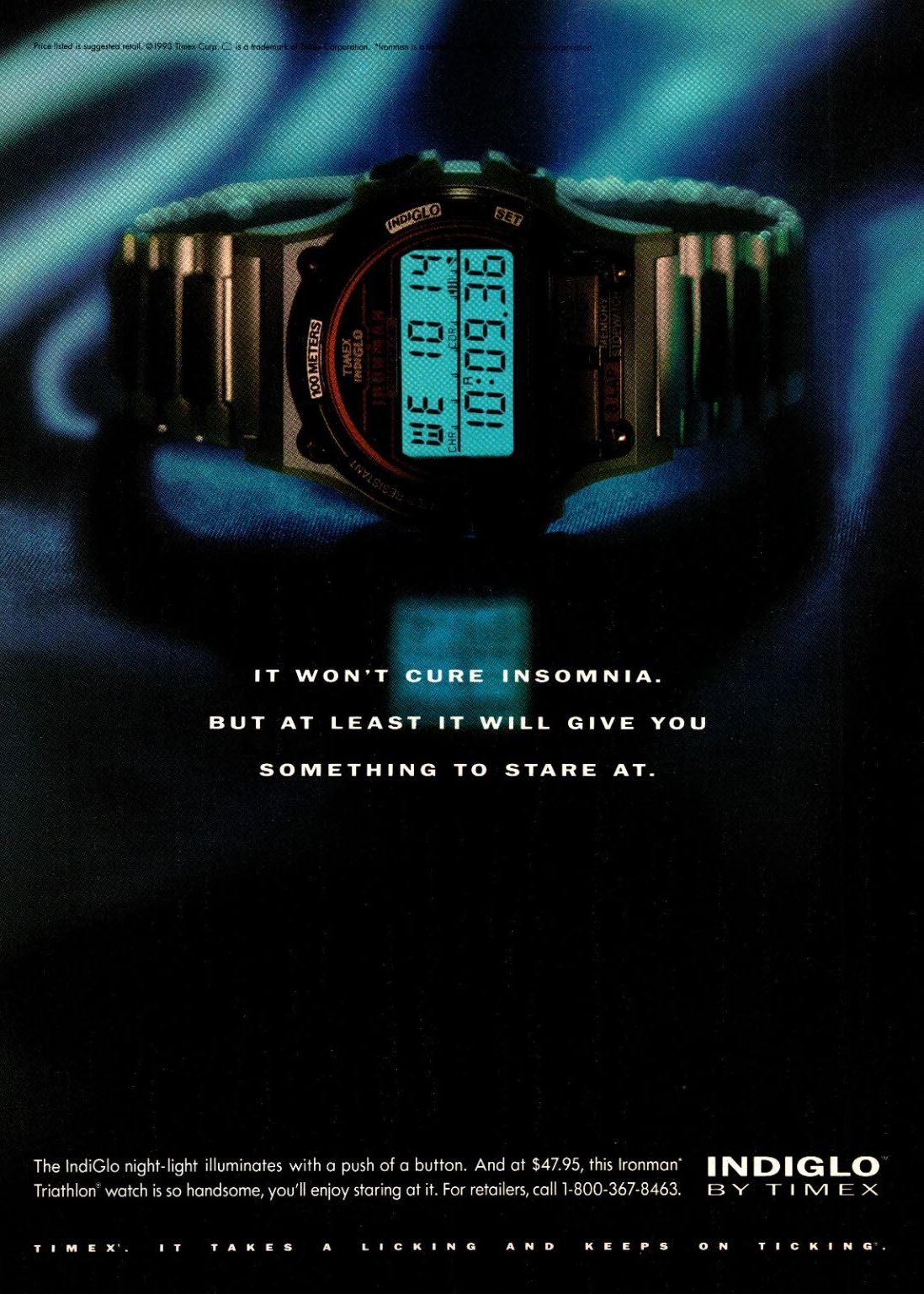
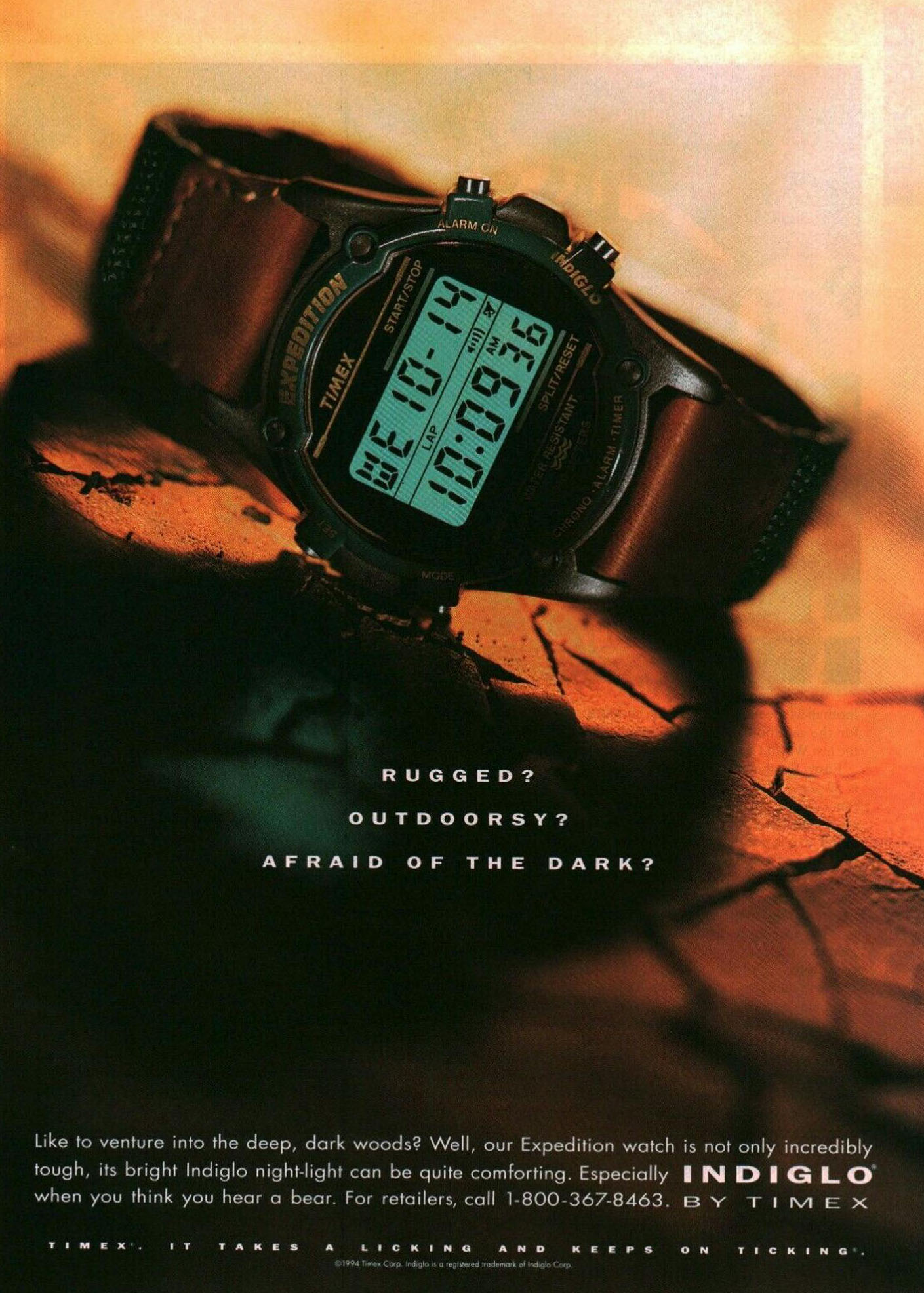
It’s a shame that Chrysler introduced electroluminescent gauges to cars before they were really perfected because, by the time they were, few automakers seemed interested anymore. Toyota was an outlier, using them for the cluster in the first-generation Lexus LS. The effect was more subtle, though, as Toyota obviously didn’t go for that flashy, mid-century art-deco style, with chrome and glass bending the light in eye-catching ways. The LS’s gauges almost looked to float in endless black space, thanks to the additional use of mirrors to reflect warning lamps seemingly behind them.
Taking both examples together, you could almost argue that now that we’re able to create any image we like on a flat plane, the creativity and indeed the wonder of those clever solutions has gone away. At least, for those of us who don’t have spare change for a Bugatti Tourbillon.
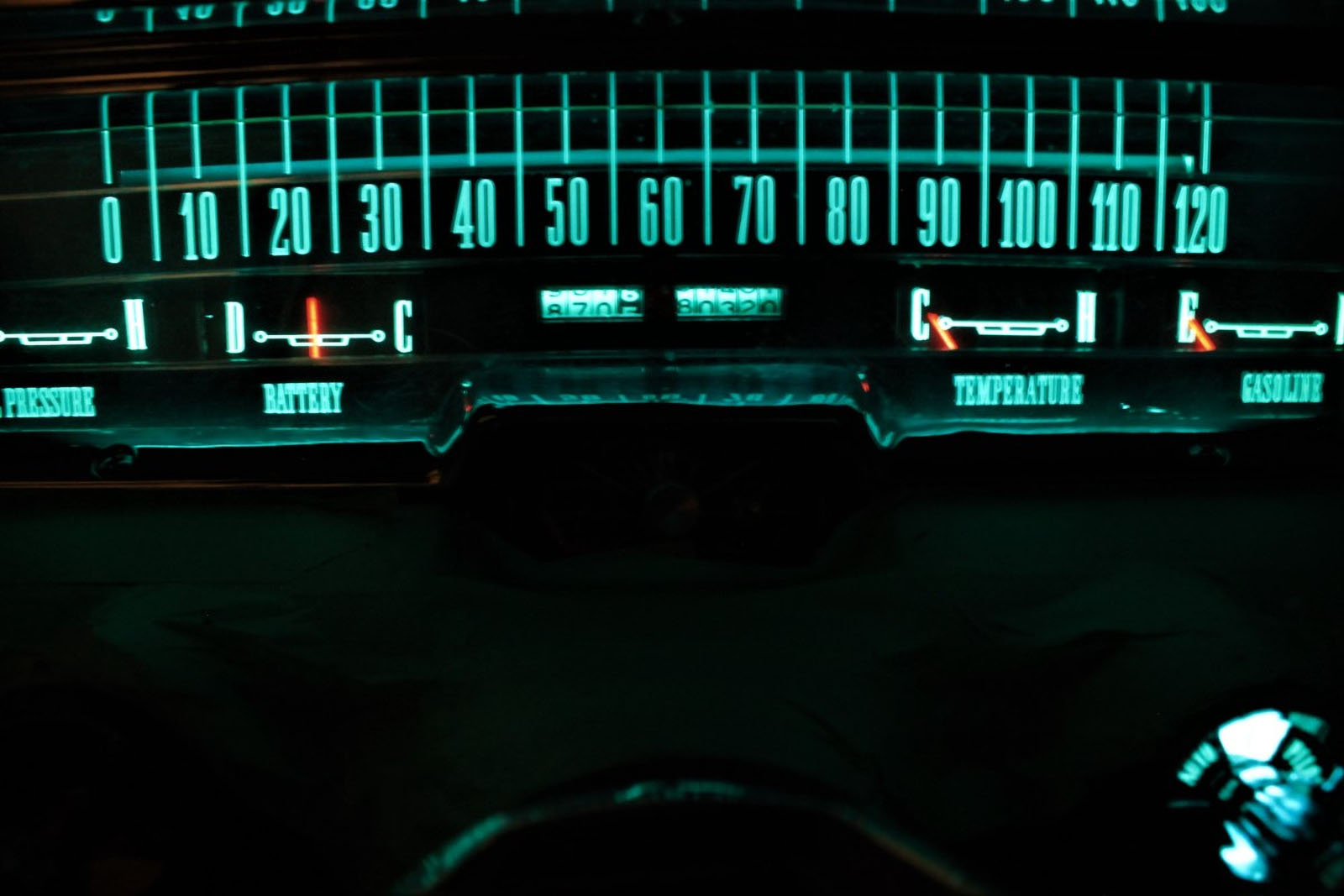
Happen to have an old Chrysler with Panelescent gauges? Post a pic down below in the comments!
News,Car Tech,Culture,History#Instrument #Clusters #Peaked #Electroluminescent #Gauges1777388579



More Stories
Ford Mustang GTD Dyno Run Reveals How Much HP It Really Makes
2026 Honda Passport TrailSport Tow Test: Maxing It Out
GM’s Profits Are Up 22%. Trucks Did It: TDS