





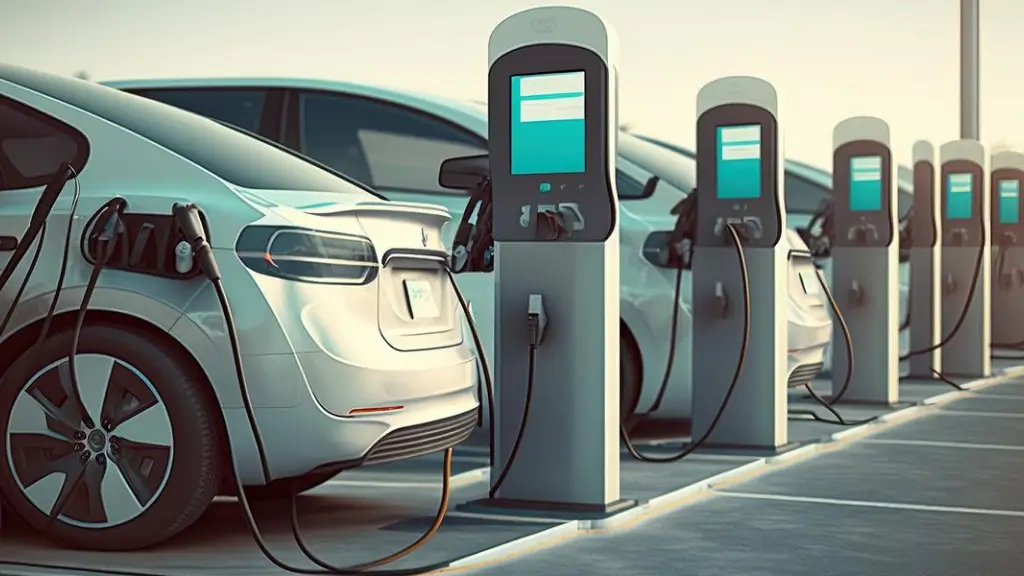
Representative Sam Graves plans to include fees on electric and hybrid vehicles in a multi-year surface transportation bill to help fund highways and bridges.

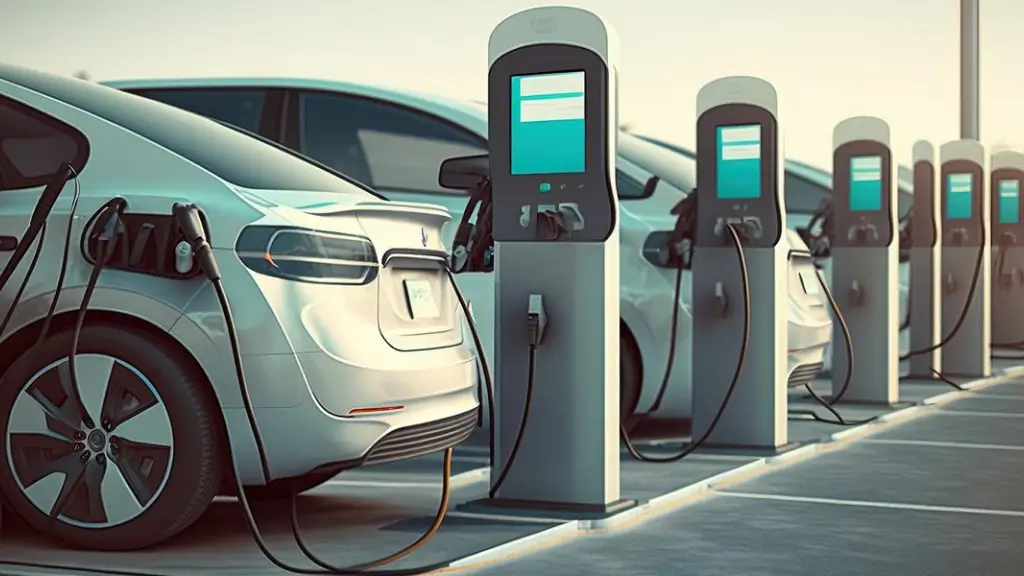
On the Dash:
- Proposed EV and hybrid fees: $250 for EVs, $100 for hybrids, could affect EV sales and customer conversations at dealerships.
- Most federal highway funding comes from gasoline and diesel taxes; new EV fees may shift how road repair costs are covered.
- Legislative timing and election-year politics could influence final policy, making dealer awareness critical for inventory planning and pricing strategies.
As the chair of the House Transportation and Infrastructure Committee, Representative Sam Graves intends to propose collecting revenue from electric vehicles to finance U.S. highway repairs, as part of a multi-year surface transportation bill expected in early April.
Last year, House Republicans proposed a $250 annual fee on EVs and a $100 fee on hybrid EVs, but the measure was not included in a major tax and spending bill. In February 2025, some Republican senators proposed a $1,000 tax on electric vehicles to fund road repairs. Meanwhile, the current five-year surface transportation law is set to expire on September 30.
Sign up for CBT News’ daily newsletter and get the latest industry stories delivered straight to your inbox.
Most federal funding for highways and bridges comes from gasoline and diesel taxes, which EVs do not pay. Since 2008, more than $275 billion, including $118 billion from the 2021 infrastructure law, has been shifted from the general fund to cover road repairs. Some states already charge fees on EVs to offset maintenance costs.
The Electrification Coalition, an EV advocacy group, said a $250 fee would be unfair because the average gas-powered vehicle pays just $88 annually in federal gas taxes.
Graves said at a U.S. Chamber of Commerce infrastructure event, “We would like to get money from EVs,” highlighting the challenge of balancing funding needs with the growing EV market.
Policy experts say reaching a deal on the bill by September 30 may be difficult given the upcoming congressional elections. The Trump administration previously took steps to limit EV incentives, including repealing the $7,500 EV tax credit last year.
EVs & Technology,Articles,Headlines,EV news,car business,Retail Automotive,electric vehicles,auto industry,dealership news#House #transportation #chair #proposes #fees #fund #highways1773837043


More Stories
Weekly roundup: FTC wants dealers to report deceptive pricing, Ford boost U.S. assembly, Carvana expands dealership portfolio
Autonomous future back in focus as Waymo expands, Uber reinvests billions
New car sales drop 7.3% in April, but don’t blame buyers