


The Toyota-owned truck maker pleads guilty to falsifying engine emissions and fuel data, agreeing to civil and criminal penalties while implementing reforms to prevent future violations.
On the Dash:
- Hino Motors admitted to falsifying emissions and fuel consumption data, resulting in the sale of over 105,000 non-compliant engines in the U.S.
- The total resolution exceeds $1.6 billion, including criminal fines, civil penalties, recalls, and environmental mitigation projects.
- The company has overhauled its compliance, governance, and manufacturing practices under the “Three Reforms” program to prevent future violations.
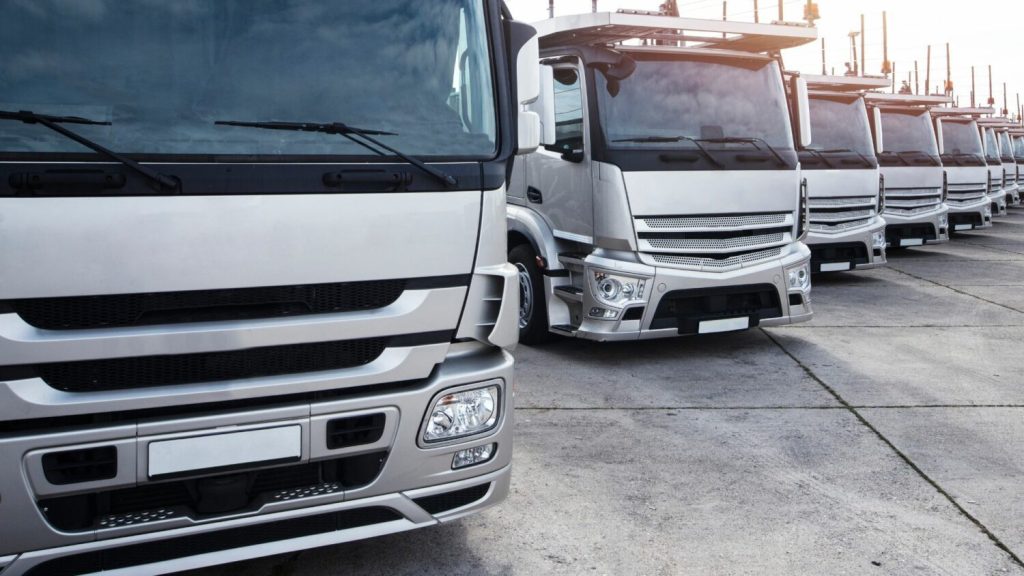
Hino Motors and its U.S. subsidiaries have reached a comprehensive settlement with federal and California authorities to resolve criminal and civil investigations into falsified engine emissions testing and fuel consumption data affecting more than 110,000 diesel engines sold in the United States.
The resolution, totaling over $1.6 billion, includes fines, penalties, recalls, and environmental mitigation projects, and comes after Hino admitted to a multi-year scheme to submit fraudulent certification data.
Sign up for CBT News’ daily newsletter and get the latest industry stories delivered straight to your inbox.
The issues date back to 2010, when Hino submitted false or altered emissions and fuel data for heavy-duty diesel engines. Between 2010 and 2022, the company imported and sold more than 105,000 non-compliant engines in the U.S., primarily installed in Hino’s heavy-duty trucks. Hino voluntarily disclosed the issues to U.S. authorities in 2019 and fully cooperated with investigations by the Department of Justice, Environmental Protection Agency, National Highway Traffic Safety Administration, and Customs and Border Protection.
As part of the criminal resolution, Hino Motors pleaded guilty to a conspiracy to mislead regulators and agreed to pay $521.76 million in fines, serve a five-year probation term, and implement a comprehensive compliance and ethics program. The plea also includes a forfeiture judgment of $1.087 billion, partially offset by future civil settlement payments.
Hino must pay $525 million to federal and California authorities as part of civil resolutions. The settlement includes a $155 million environmental mitigation program to counteract excess emissions, a $144.2 million recall program for engines from model years 2017–2019, $123.6 million designated for California mitigation projects, and $30.3 million to settle False Claims Act claims in the state. These mitigation efforts are projected to reduce nitrogen oxides by over 41,900 tons, particulate matter by 376 tons, carbon dioxide by 6,199 tons, and nitrous oxide by 135 tons.
Despite the settlement, Hino said the legacy issues do not affect vehicle driving performance or safety. Trucks currently on the road remain legal to operate, service, and sell, and new trucks with compliant engines will continue to be manufactured in the U.S.
Hino has also overhauled its governance and compliance systems under its “Three Reforms” program. Changes include the appointment of a compliance and risk leadership team, the separation of engine development and certification functions, enhanced employee reporting structures, and mandatory ethics and technical compliance training. Hino said these measures, agreed upon with federal authorities, are designed to prevent future violations and will be applied globally across its operations.
“This resolution is a significant milestone toward resolving legacy issues that we have worked hard to ensure are no longer a part of Hino’s operations or culture,” said Satoshi Ogiso, President and CEO of Hino Motors Ltd., in a statement.
The settlement represents one of the largest combined civil and criminal resolutions in U.S. environmental enforcement history, reflecting the scale of Hino’s misconduct and the government’s coordinated efforts to hold the company accountable.
Global Industry News,Articles,Headlines,Hino Motors,Auto News,car business,Retail Automotive,Toyota,auto industry#Hino #Motors #reaches #billion #U.S #settlement #emissions #fuel #fraud1769105656
More Stories
Weekly roundup: FTC wants dealers to report deceptive pricing, Ford boost U.S. assembly, Carvana expands dealership portfolio
Autonomous future back in focus as Waymo expands, Uber reinvests billions
New car sales drop 7.3% in April, but don’t blame buyers