


Design work on Gotion’s 2GWh solid-state line is largely done, and the next step towards integration is construction. By Stewart Burnett
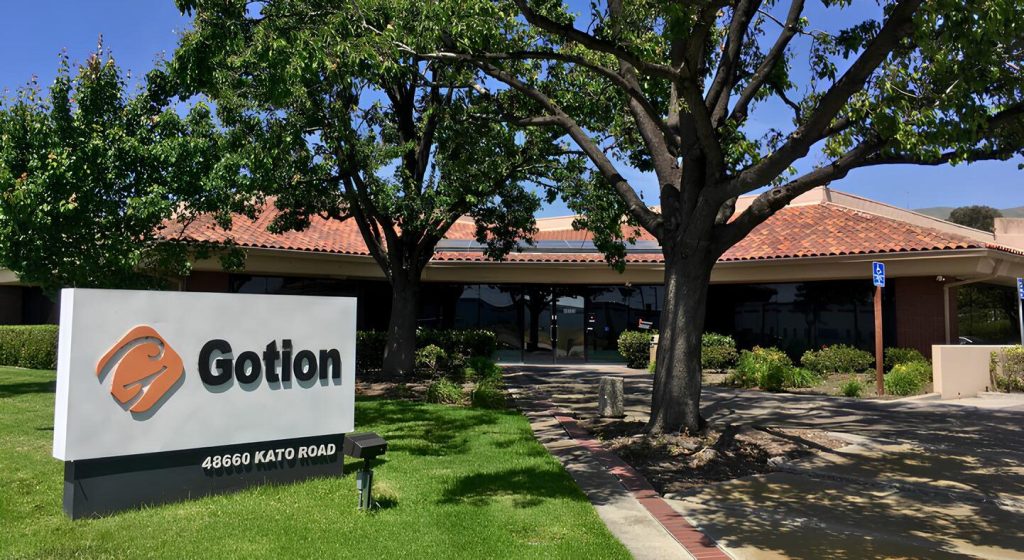
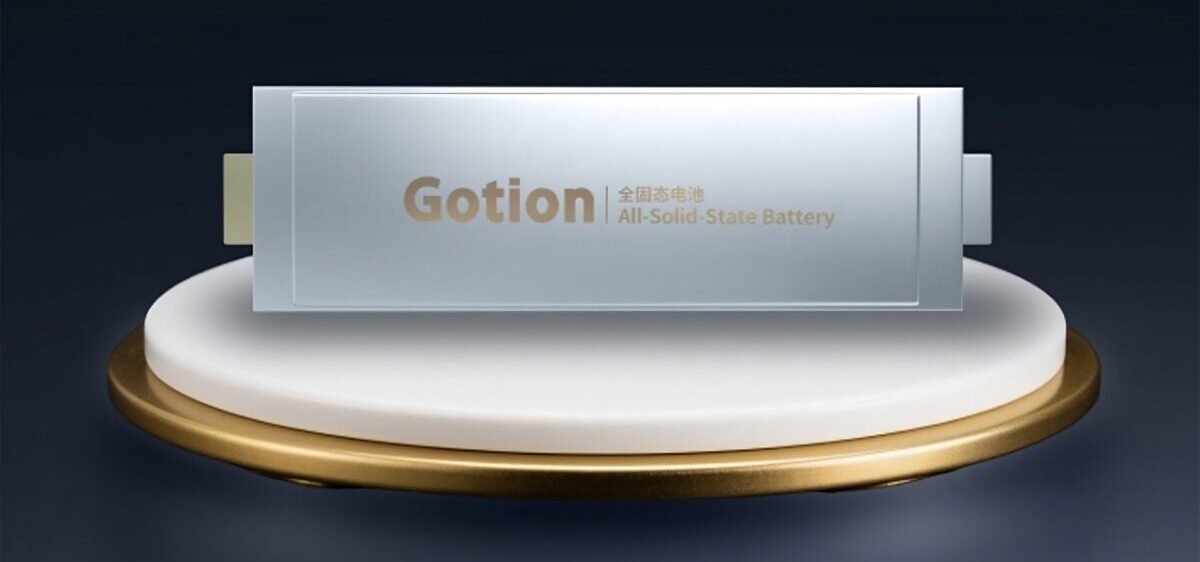
Chinese battery maker Gotion is nearing completion on design work for a 2 GWh all-solid-state battery mass production line, advancing its Gemstone technology toward long-awaited commercial scales. According to local media reports, construction of the facility is the expected next step, with small-batch vehicle integration targeted before the end of 2026 and full mass production scheduled for 2030.
The design follows Gotion’s 0.2 GWh pilot line, which has achieved a yield rate exceeding 90% and an energy density of 300 Wh/kg. Its Jinshi variant, using a sulfide-based solid electrolyte, reaches 350 Wh/kg: a 40% improvement over mainstream ternary lithium-ion cells. Total investment in the 2GWh facility is estimated in the CN¥3-4bn range (US$415-550m). Volkswagen and Audi—whose parent holds a 25% stake in Gotion—have signed letters of intent to use the battery maker for future solid state supply.
To address materials bottlenecks, Gotion has deepened its collaboration with BASF, signing an agreement in Hefei to jointly develop core solid-state cell materials. The partnership is a reflection of the competitive pressure Gotion is under: overtaken by CATL and BYD after missing the shift to ternary lithium technology, it ranked fifth globally in power battery installations in 2025 with a 4.5% share. By contrast, CATL dominates at 39.2% and BYD comes in second at 16.4%.
Gotion’s relationship with Volkswagen Group could give it a much-needed advantage against this steep competition. At the same time, its 2030 mass production target trails CATL and BYD’s 2027 small-scale milestones. Whether the Jinshi chemistry and BASF partnership justify that lag remains uncertain.
CATL has already begun trial production of all-solid-state cells and is targeting vehicle integration by 2027. In October 2025 it dismissed rumours it was nearing mass production of the technology for the same target year. Meanwhile, BYD is running pilot batches with a focus on sulfide electrolytes and long cycle life.
Other players in China are ramping up the pace too: Changan is planning in-vehicle test installations of its Golden Bell cell—targeting 400 WH/kg—before the third quarter, with mass production in 2027. Additionally, a national standard taking effect in July 2026 will formally classify batteries by electrolyte content, ending the marketing ambiguity that has blurred semi-solid and all-solid-state claims.
At its fringes, the solid state field has some issues with credibility. Outside China, Finnish startup Donut Lab has claimed a production-ready all-solid-state cell but has not disclosed its chemistry, an omission some analysts and subject matter experts have described as disqualifying for any commercial use case. The Chinese industry, by contrast, appears to be making tangible leaps on published specifications and concrete production timelines. Semi-solid cells delivering around 360 WH/kg are already in series production vehicles including Nio’s ET9 luxury sedan.
News,Stewart Burnett,Volkswagen GroupStewart Burnett,Volkswagen Group#Gotion #moves #solidstate #scale #GWh #output #plan1772467178
More Stories
Pony.ai, CATL partner on first L4 electric light truck
UK lays regulations for automated passenger services
Leapmotor reveals China-only B05 Ultra at Beijing show