




The US’ pivot away from EV batteries and towards energy storage is the most pronounced in any global market. By Stewart Burnett
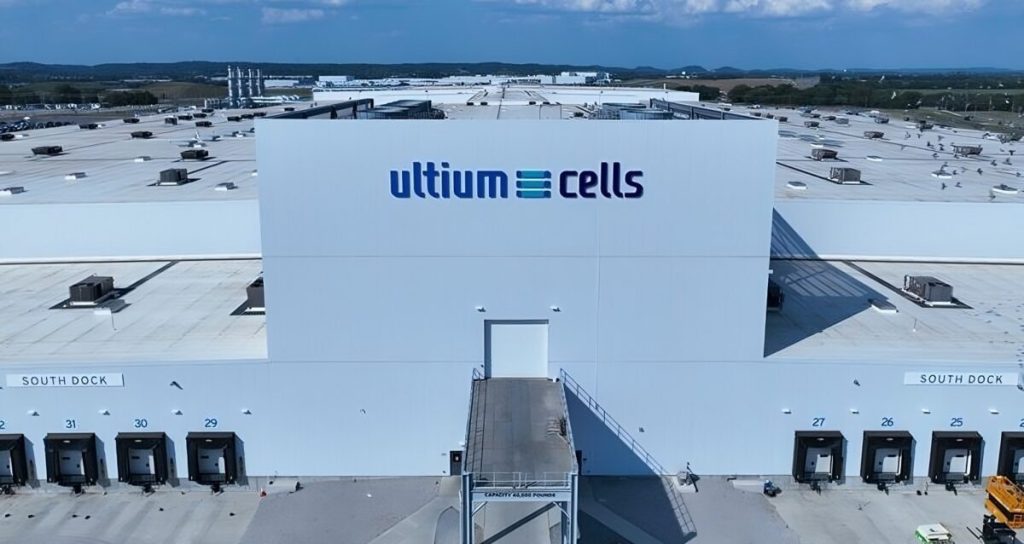
General Motors and LG Energy Solution have confirmed they will convert their jointly-operated battery plant in Tennessee to produce cells for energy storage systems (ESS), recalling 700 workers laid off earlier this year. The two companies, operating through their Ultium Cells joint venture, will begin production of lithium-iron-phosphate (LFP) batteries at the facility in Q2, supplying LG to sell to grid and data centre customers.
The retooling is set to cost Ultium in the tens of millions, and involves replacing equipment configured for the nickel-manganese-cobalt cells that powered the Cadillac Lyriq, Vistiq and Honda’s Acura ZDX. Laid-off workers are expected to return to the plant by the end of April—roughly three months sooner than the July timeline previously indicated by GM.
The development is one of the more visible signs as to the sheer scope of GM’s electric vehicle (EV) retrenchment, which saw it write off more than US$7.6bn in costs during 2025 alone. Weak demand, driven by high sticker prices, limited range and infrastructure—perhaps most fatally, the elimination of the federal EV tax credit—has left the automaker dealing with substantial surplus capacity and no near-term automotive demand to fill it.
The automaker has already sold its stake in a Michigan battery plant to LG and slowed construction on a separate facility in Indiana being developed alongside Samsung SDI. For LG, the Tennessee conversion is one part of a significantly larger reorientation of its North American manufacturing base.
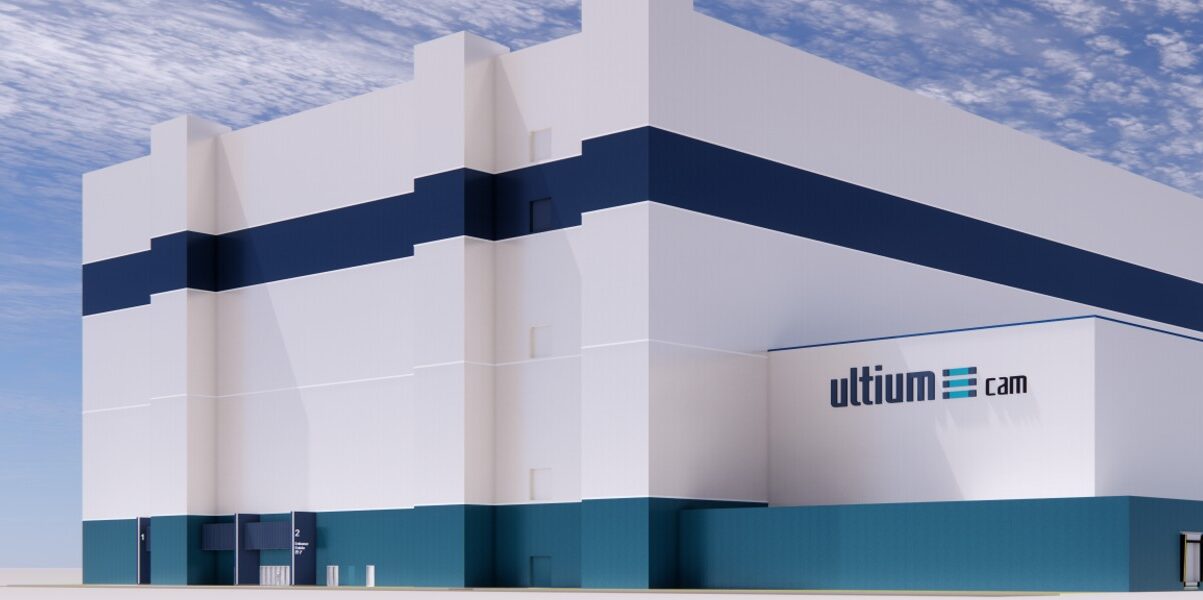
The South Korean company is retooling four additional EV battery plants for LFP energy storage production, including two facilities in Michigan, its Ohio joint venture with Honda and a plant in Windsor, Canada, formerly shared with Stellantis. This will be a costly endeavour, but clearly one LG views as the more affordable bet. The company’s President for North America, Bob Lee, told Bloomberg that retooling costs typically represent 10–20% of the original plant investment, given that only selected equipment requires modification.
The Tennessee move is part of a broader realignment playing out across the North American battery industry, as firms try to absorb the consequences of Trump administration policy and overambitious demand expectations. This could prove a double-edged sword, as with so many firms making the same ESS play, they could inadvertently flood the zone with unneeded products. It is certainly the case that the ESS market is growing quickly: the US installed 57.6 GWh of new capacity in 2025, marking a 30% increase over 2024. However, the Ultium plant in Tennessee alone has an annual battery production capacity of around 50 GWh including for EVs.
Kurt Kelty, GM’s Vice President of Battery, Propulsion and Sustainability, argued that demand will continue to outstrip supply for years to come. In January, he said that ESS demand “exceeds supply tremendously, and it’s going to continue to exceed it for the next several years”. This dynamic he attributed in large part to the electricity requirements of AI data centre construction.
SK On is pursuing a comparable transition to Ultium (albeit with layoffs rather than worker recalls) and Samsung SDI has retooled the StarPlus Energy plant in Indiana—originally built for Stellantis EVs—for utility-scale storage applications. Tesla is looking to become a key player in the segment too, recently locking in its own deal with LG for ESS production in Michigan.
E-Mobility,Manufacturing,Markets,News,OEMs,General Motors,Stewart BurnettGeneral Motors,Stewart Burnett#advance #ESS #pivot #Tennessee #retool #worker #recall1773823847

More Stories
Pony.ai, CATL partner on first L4 electric light truck
UK lays regulations for automated passenger services
Leapmotor reveals China-only B05 Ultra at Beijing show