




Rising oil prices should shift demand toward the vehicles sitting idle at Factory Zero, but GM is not yet seeing any evidence of that yet. By Stewart Burnett
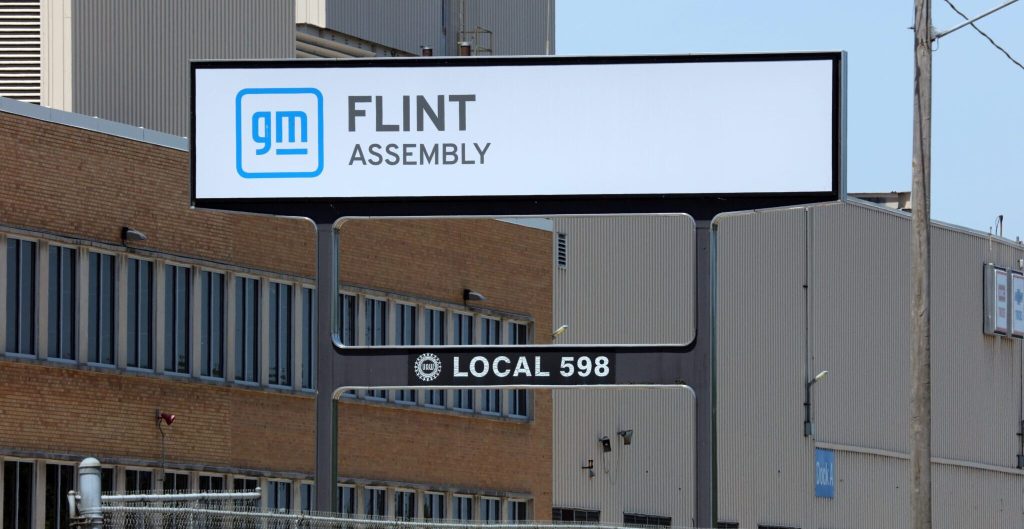
General Motors has announced that it will extend production at its Flint Assembly plant in Michigan to six days a week from June in response to strong demand for heavy pickups. The development came within hours of news that the automaker has also idled its Factory Zero electric vehicle (EV) facility in Detroit until 13 April, extending a production pause that began on 16 March due to weak demand.
The developments leave GM’s most profitable product line running at increased capacity while the plant that was meant to anchor its electric future sits quiet. Flint Assembly, the automaker’s oldest plant still in operation, currently runs three shifts across five days and produces around 1,100 heavy-duty Silverado and Sierra pickups daily. The additional day will be covered by mandatory overtime across the plant’s roughly 4,200 hourly workers.
GM sold 206,184 Silverado pickups in 2025, a 12% increase on the year before, and 118,066 Sierras, up 9%, giving the automaker a clear commercial justification for the expansion. To be sure, its electric performance was not bad last year: it sold 169,000 EVs—up 48% year-over-year—with the bestseller being the Chevrolet Equinox EV at 57,945 units. Other strong performers included the Chevy Blazer EV at 22,637 units and the Cadillac Lyriq at 20,971.
Factory Zero, which produces some of GM’s less popular electric offerings, including the Chevrolet Silverado EV and Hummer EV, has operated with a single shift since January after GM cut output by approximately 50%. Around 1,200 workers have been on indefinite layoff since then; the current temporary layoff affects a further 1,300.
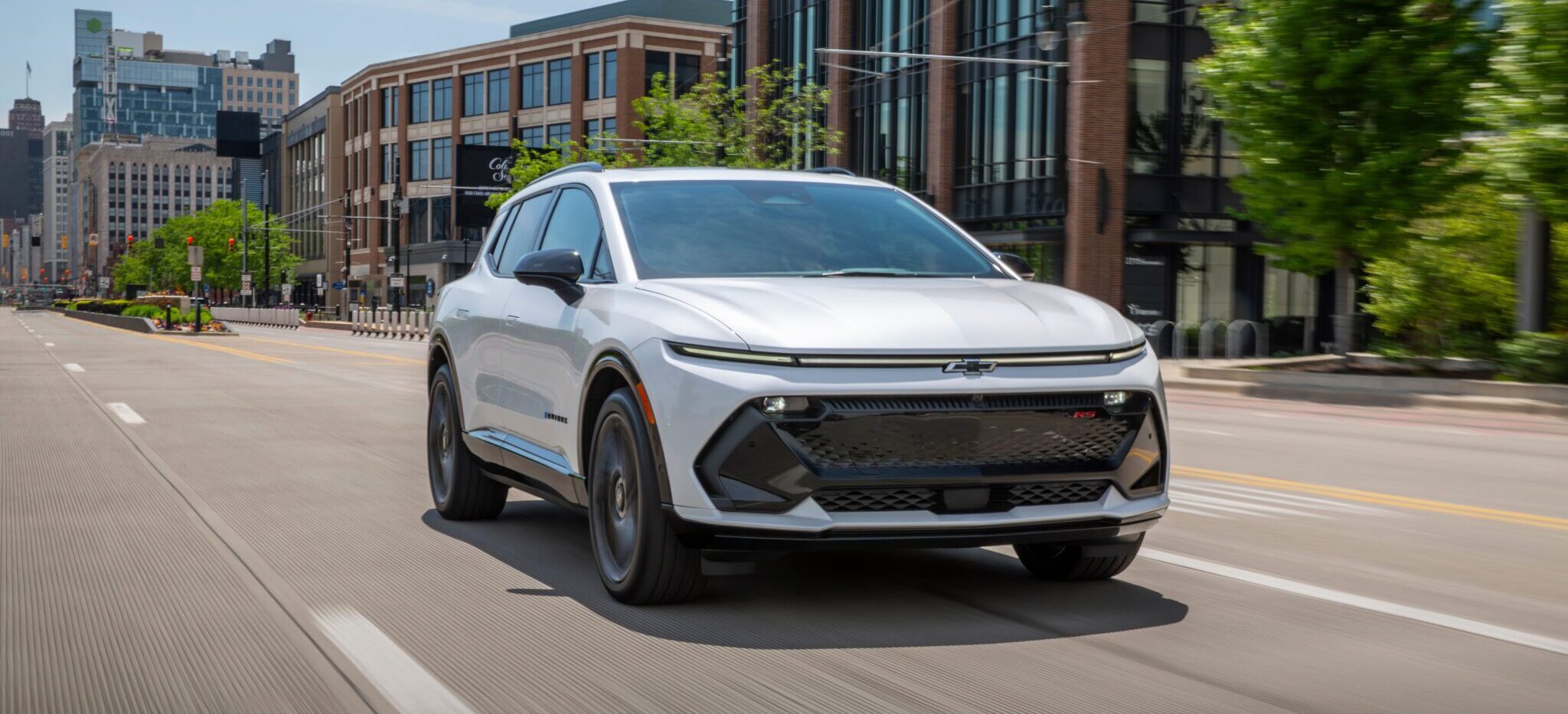
In-keeping with the strategies of its Detroit Three counterparts, GM has recorded US$7.6bn in writedowns on its EV programmes, doubling down on its higher-margin and better-selling internal combustion engine models. The elimination of the federal EV tax credit in September 2025 and a broader regulatory retreat under the Trump administration has caused market share to dip considerably. EVs accounted for 5.8% of all cars sold in the US during February 2025—down 27% year-over-year—according to Cox Automotive.
The backdrop to both announcements is an oil price environment that has shifted sharply since late February, when US involvement in the Iran conflict triggered a near-total closure of the Strait of Hormuz shipping and pushed average US gasoline prices up by roughly a third. In theory, that kind of sustained fuel cost increase is precisely the condition under which consumers begin reconsidering gasoline-intensive vehicles in favour of electric or hybrid alternatives. In practice, however, GM’s own data does not yet support that reading.
Earlier in March, Chief Financial Officer Paul Jacobson noted that the fuel price increase had not yet produced a measurable shift in purchasing behaviour, noting that GM continues to have more demand than supply for vehicles including the Cadillac Escalade and full-size trucks. His assessment of the lag was specific: “Usually it takes four to six months of sustained high oil prices before people start to think, maybe I should go for less mileage, or maybe I should buy down.’”
Against such a timeline, any meaningful demand shift would emerge around July or August at the earliest. If the Iran conflict persists and the current oil price environment is sustained into the summer, the overtime hours being mandated at Flint will land at exactly the point Jacobson predicts consumers begin reconsidering.
News,General Motors,Stewart BurnettGeneral Motors,Stewart Burnett#boosts #pickup #output #Flint #idling #plant1774962634


More Stories
Pony.ai, CATL partner on first L4 electric light truck
UK lays regulations for automated passenger services
Leapmotor reveals China-only B05 Ultra at Beijing show