


GM is one of a dwindling cohort still locked in on bringing SAE Level 3 to commercial scales. By Stewart Burnett
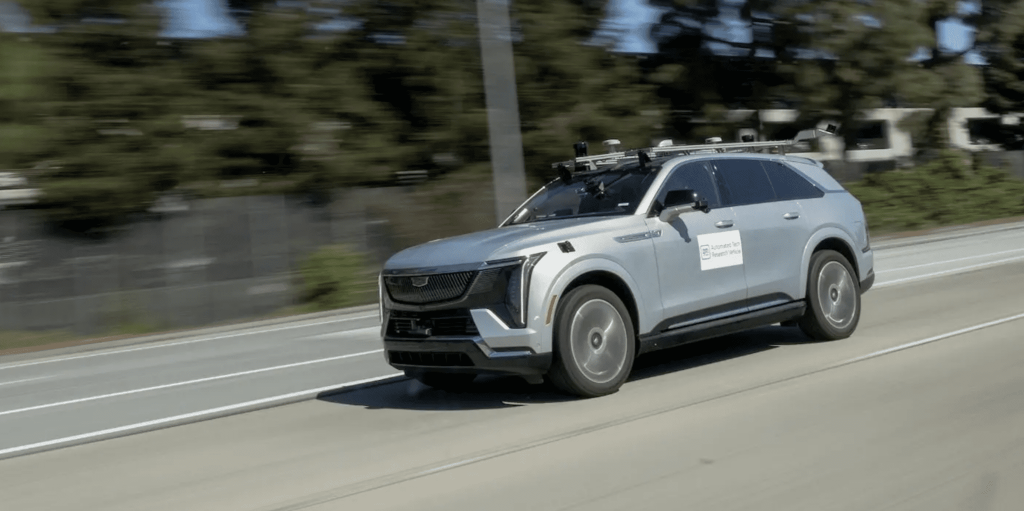
General Motors has announced it has begun supervised public highway testing of its next-generation eyes-off autonomous driving system in California and Michigan. The system represents the most substantive development to date following the resurrection of the Cruise programme for consumer autonomy applications, with commercial launch expected for 2028.
The automaker has deployed a fleet of more than 200 test vehicles, each carrying a trained safety driver to monitor and conduct interventions when necessary. The technology builds on GM’s existing Super Cruise hands-free technology and its accumulated 800 million customer-driven miles.
The Escalade IQ will be the first consumer vehicle to carry the full sensor suite, which encompasses LiDAR, radars, and cameras integrated directly into the body, as well as a new centralised computing platform GM claims is capable of delivering a 35-fold improvement on AI performance, and 1,000 times more bandwidth overall, than its previous architecture.
The eyes-off designation, also referred to as SAE Level 3, essentially allows for drivers to divert their attention from the road sometimes, as is the case for Level 2. As it stands the technology is restricted to highways, but the longer-term ambition for GM is driveway-to-driveway capability. The automaker’s data-collection vehicles have already accumulated more than one million miles across 34 states in preparation for this phase.
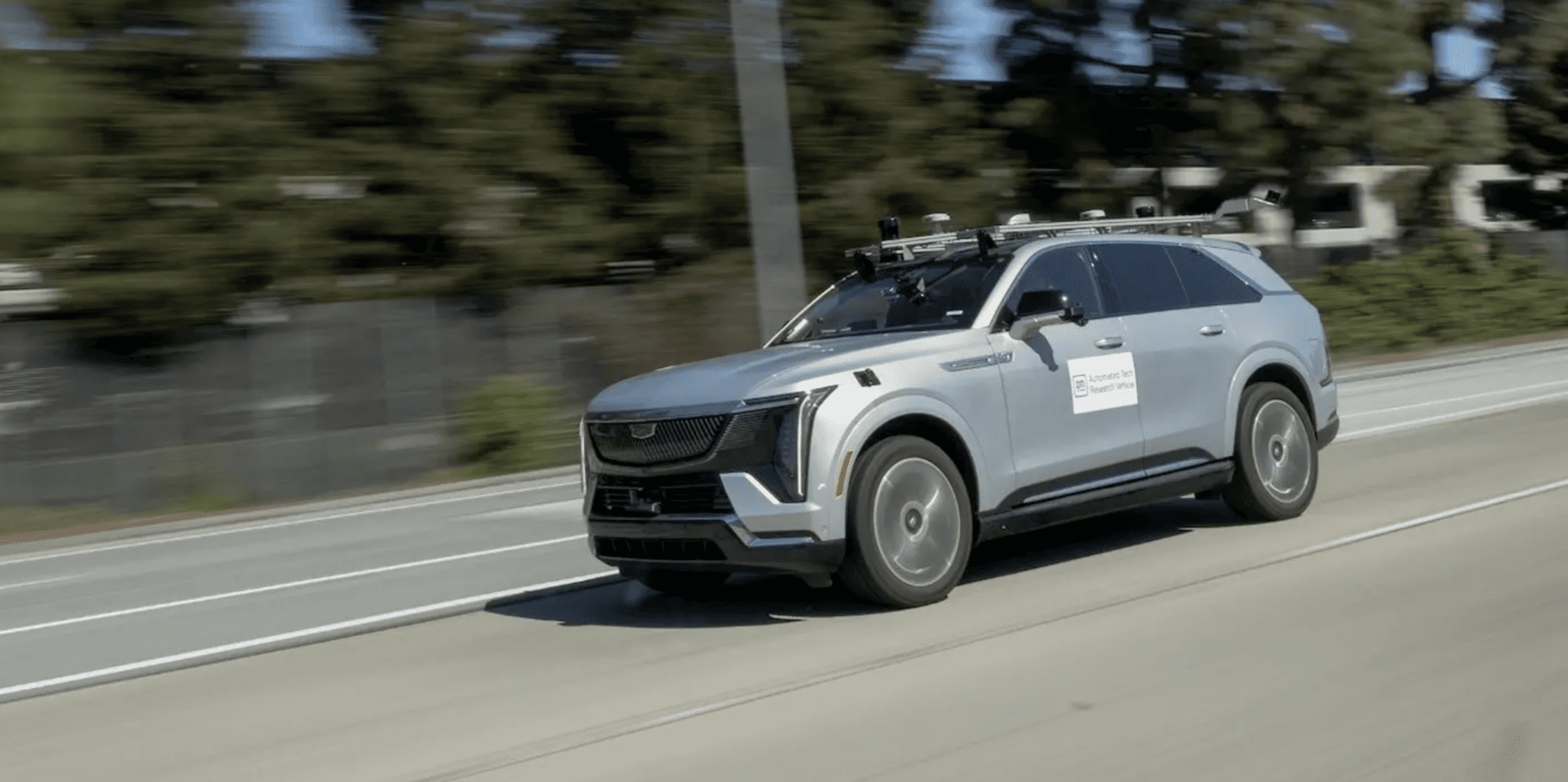
GM shut down its Cruise robotaxi unit in late 2024 following an incident in which a Cruise vehicle struck and dragged a pedestrian in San Francisco. Rather than pursuing a standalone commercial ride-hailing operation—as it had previously planned to do—GM has absorbed Cruise’s technology into its consumer vehicle programme, and pivoted the wider strategy towards as software subscription models that it expects to generate US$2bn in annual revenue once reaching scale.
It should be noted that, outside the more insular US market, the competitive threat from Chinese automakers in this space is acute. BYD began including its God’s Eye ADAS platform—which incorporates LiDAR and DeepSeek AI—as standard equipment on models priced from around US$10,000 in early 2025. In markets without the US tariff structure and software import restrictions, that bundled approach makes subscription-based Western autonomy a harder sell.
The Commerce Department’s ban on Chinese-origin connected vehicle software, effective from March 2026, will help to preserve GM’s domestic position, but the gap between what Chinese brands offer as standard and what US rivals charge for as a premium feature will widen if the pace of development in China continues.
Ford, Rivian and Lucid are among those pursuing comparable timelines to GM, although Mercedes-Benz and Stellantis have binned their respective Level 3 programmes citing excessive costs that do not match up with consumer interest.
Autonomous Driving,Markets,News,OEMs,Software-Defined Vehicle,General Motors,Stewart BurnettGeneral Motors,Stewart Burnett#begins #highway #testing #eyesoff #selfdriving #system1774375247


More Stories
Pony.ai, CATL partner on first L4 electric light truck
UK lays regulations for automated passenger services
Leapmotor reveals China-only B05 Ultra at Beijing show