



Fraunhofer ILT is developing laser processes to enable industrial production of solid-state batteries for electric vehicles
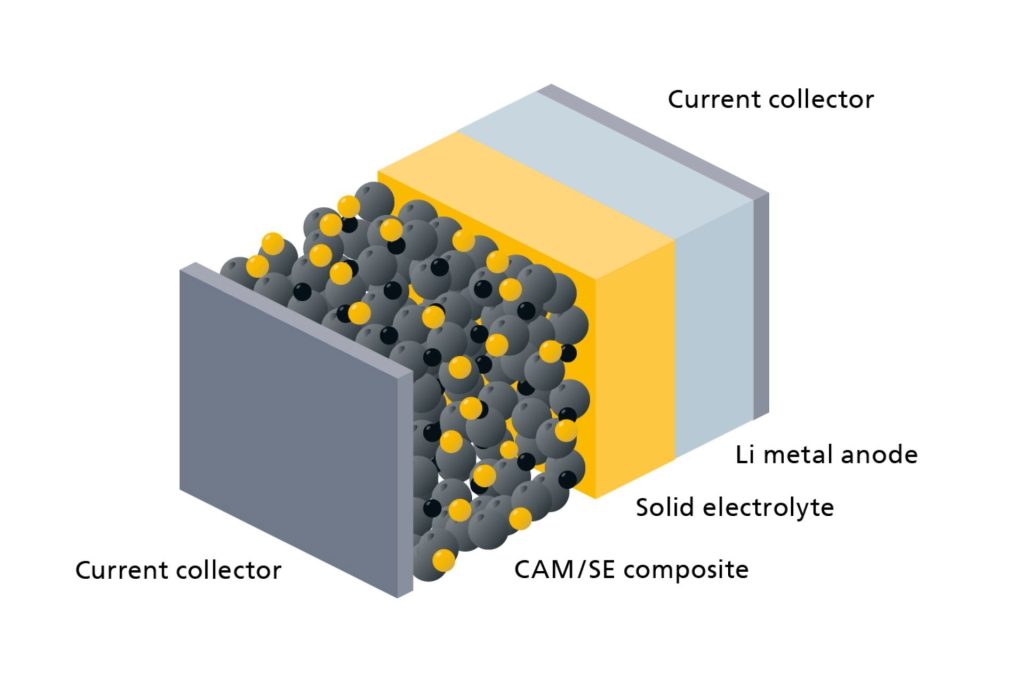
Fraunhofer Institute for Laser Technology ILT is developing laser processes to enable industrial production of solid-state batteries, which the institute says could overcome key manufacturing hurdles for the technology. The research covers laser sintering of solid electrolytes, structuring of interfaces, and cutting of lithium metal foils.
Solid-state batteries promise higher energy densities and greater safety than conventional lithium-ion cells but have not yet reached industrial maturity. Fraunhofer ILT says laser technology offers advantages through selective sintering, targeted structuring and contact-free cutting of sensitive materials.
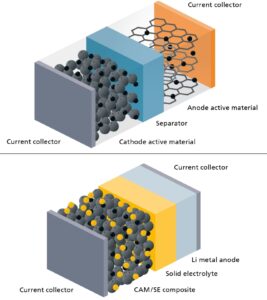
Toyota, BYD, Samsung SDI and SVOLT have published schedules for pilot production starting in 2027, while Mercedes-Benz and Stellantis are testing semi-solid-state concepts with partners. Nissan is building a pilot factory in Yokohama.
Physicist Stoyan Stoyanov from Fraunhofer ILT said: “Solid-state batteries will exist alongside conventional lithium-ion cells for the foreseeable future and will primarily serve particularly demanding applications in the automotive industry, such as the luxury vehicle market.”
The institute says cutting lithium metal foils poses considerable challenges as the material is soft, highly adhesive and extremely reactive. Laser technology enables precise, contact-free cuts compared to mechanical processes such as rotary knives or stamping.
Fraunhofer ILT says initial analyses show reject rates of up to 30% can occur during industrial ramp-up of solid-state battery production. The institute says laser-based processes can help increase process stability and reduce waste.
Source: Fraunhofer
E-Mobility,Manufacturing,News#Fraunhofer #ILT #develops #laser #processes #SSBs1772690780
More Stories
Pony.ai, CATL partner on first L4 electric light truck
UK lays regulations for automated passenger services
Leapmotor reveals China-only B05 Ultra at Beijing show