
Tesla rejected a US$60m settlement, lost a US$243m verdict, and has now failed to have it thrown out. By Stewart Burnett
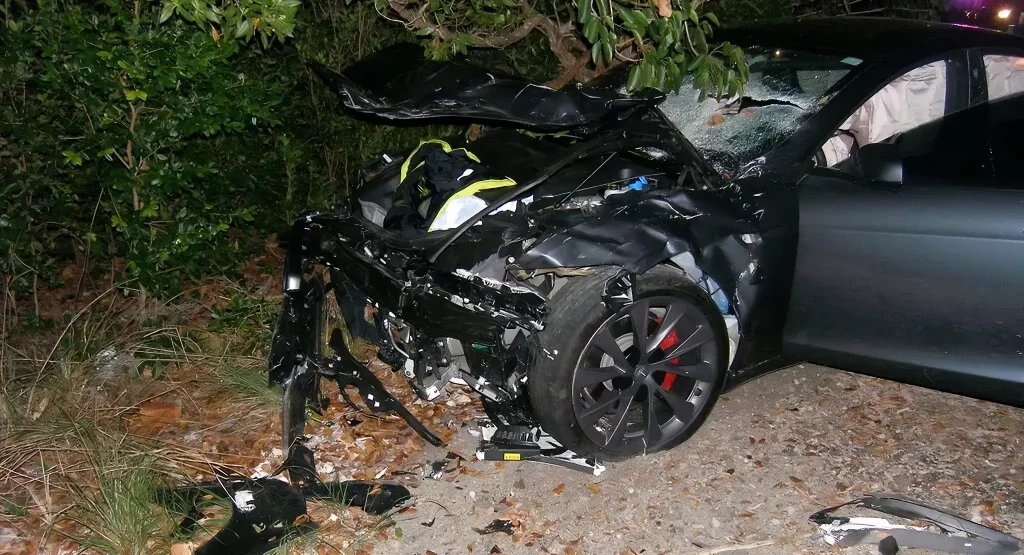
A US federal judge has rejected Tesla’s bid to overturn a US$243m jury verdict stemming from a fatal 2019 Autopilot crash in Florida. US District Judge Beth Bloom ruled the evidence at trial “more than supported” the Miami verdict, finding that Tesla presented no new arguments to justify setting it aside.
The case centres on a collision in which a man driving a Tesla Model S running the Autopilot software ran a stop sign at approximately 100 km/h, killing a 22-year-old woman and seriously injuring her boyfriend. The August 2025 jury assigned 33% of the blame to Tesla due largely to its apparently deceptive advertising which overstated the capabilities of the self-driving system,
Thus the plaintiff was awarded US$43m in compensatory damages and US$200m in punitive damages—the first noteworthy victory against the automaker in an Autopilot wrongful death case. Tesla had rejected a US$60m pre-trial settlement offer, although normally it opts for the settlement route.
The ruling exhausts Tesla’s options at the trial court level. The automaker has, however, indicated that it will appeal, and has pointed to a pre-trial agreement that it claims would cap punitive damages at three times compensatory damages. Even if successful, this would still leave it facing a nine-figure payout.
Since the original August verdict, Tesla has settled at least four further Autopilot crash lawsuits, including one involving the death of a 15-year-old in California, with dozens more cases working their way through the courts. The automaker’s autonomous driving and driver-assist technology has repeatedly come under scrutiny for its safety, particularly when contrasted with similar offerings from its competitors. Recent data from the automaker’s Austin robotaxi operation—in reality a limited-scale pilot—indicates a crash rate potentially nine times higher than a human driver.
The verdict came days after a separate development in California, where the state Department of Motor Vehicles (DMV) confirmed that Tesla had dropped the Autopilot name from its marketing to avoid a 30-day suspension of its dealer and manufacturing licences. The DMV has been pressing Tesla on the issue since 2016, with a formal administrative ruling in December 2025 finding that the ‘Full Self-Driving’ (FSD) name was “actually, unambiguously false”.
Tesla has since discontinued Autopilot as a standalone product in the US and Canada, although FSD persists. The automaker sold 169,650 vehicles in California in 2025—around 29% of its 589,160 nationwide sales—making the state’s market too significant to risk losing access to.
Autonomous Driving,Markets,News,OEMs,Software-Defined Vehicle,Stewart Burnett,TeslaStewart Burnett,Tesla#Federal #judge #rejects #Tesla #bid #overturn #Autopilot #verdict1771607192
More Stories
Pony.ai, CATL partner on first L4 electric light truck
UK lays regulations for automated passenger services
Leapmotor reveals China-only B05 Ultra at Beijing show