



The administration advances a rollback of the EPA’s endangerment finding, a move that could reshape federal vehicle emissions policy and influence future OEM product decisions.

On the Dash:
- Looser federal standards could prompt automakers to adjust production and incentives, affecting the number of EVs and hybrids allocated to dealers.
- Policy changes may influence vehicle mix and timing, particularly for dealerships selling EVs and hybrids.
- Dealers operating across states with varying emissions regulations may need to adapt their inventory and sales strategies to comply with local regulations.
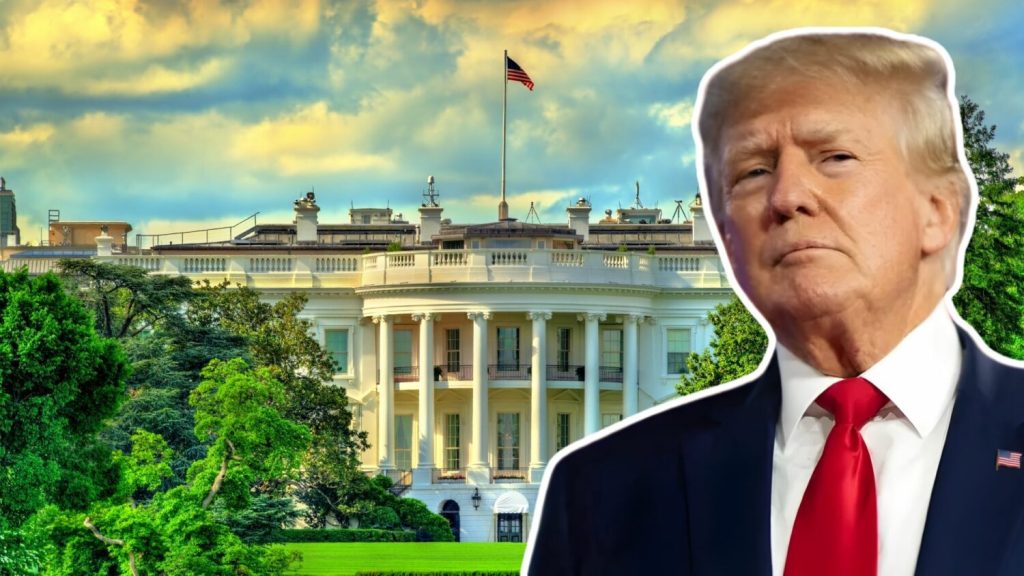
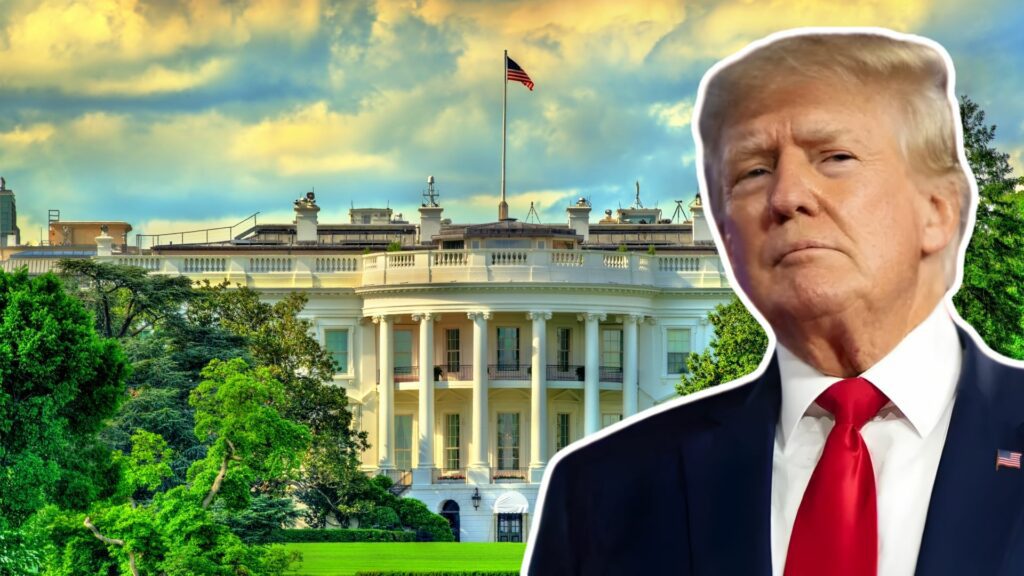
On Thursday, the EPA revealed it will revoke its 2009 endangerment finding, marking the administration’s most influential climate-related deregulation yet and drawing expected legal challenges from environmental groups and automakers.
The White House framed the rollback as a regulatory win for businesses, projecting $1.3 trillion in savings from reduced compliance costs. However, opponents warn that rescinding the finding could destabilize emissions rules, undermine regulatory certainty, and slow EV adoption.
Sign up for CBT News’ daily newsletter and get the latest industry stories delivered straight to your inbox.
For dealers, the change carries potential operational implications, as automakers may adjust EV production, allocation, and incentives in response to looser federal emissions standards, while dealers operating in states with stricter regulations may need to navigate divergent compliance requirements. Inventory planning, particularly for EVs and hybrids, could shift as OEMs respond to the policy change.
The endangerment finding, first issued under the Obama administration, has been upheld in multiple courts, including the Supreme Court in Massachusetts v. EPA (2007). It gave the EPA authority to regulate greenhouse gas emissions and to enforce vehicle and industrial source standards. Automakers and EV proponents, including Tesla, have urged the agency to maintain the determination to ensure stability and predictability for production and consumer choices.
The EPA’s proposed revocation coincides with broader efforts to relax federal climate regulations. Environmental advocates and former EPA officials warn that such rollbacks may exacerbate pollution, increase health risks such as asthma, and pose a long-term challenge to the agency’s mission to protect public health.
Dealerships with multi-state operations may face additional complexities. States with stricter emissions standards may require dealers to adjust compliance procedures, while OEMs may reallocate EVs and hybrids to markets with incentives or regulatory certainty. Industry analysts suggest monitoring OEM allocation updates and incentive structures closely in the months ahead.
Industry News,Articles,Headlines,auto industry,Retail Automotive,automotive industry news,Environmental Protection Agency,greenhouse gas emissions,EPA,car business#Federal #emissions #rollback #prompts #questions #dealership #planning1770987018


More Stories
Weekly roundup: FTC wants dealers to report deceptive pricing, Ford boost U.S. assembly, Carvana expands dealership portfolio
Autonomous future back in focus as Waymo expands, Uber reinvests billions
New car sales drop 7.3% in April, but don’t blame buyers