





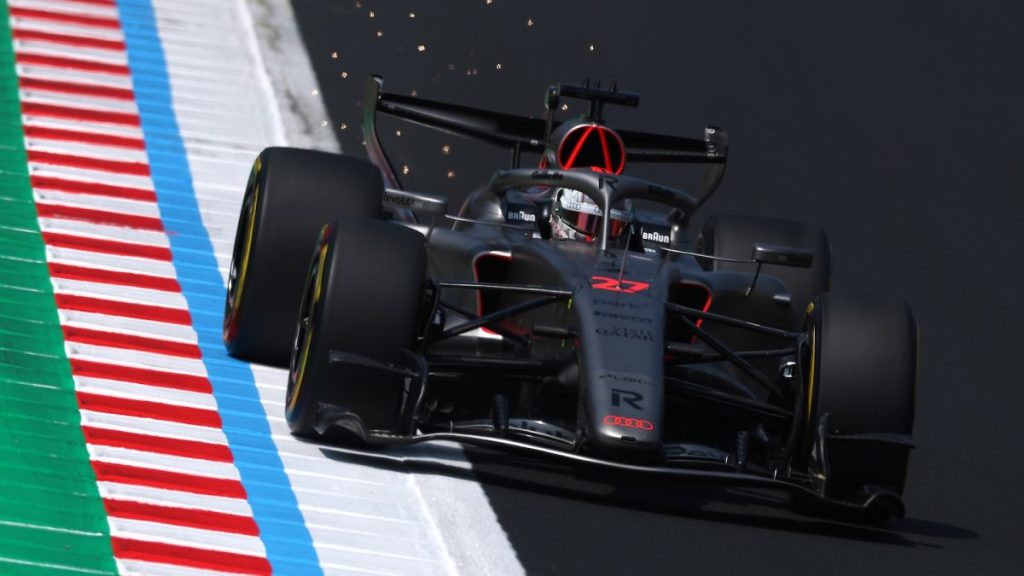
Thursday’s hot topic at the Miami Dolphins Stadium, or as some would like you to call it, the Miami International Autodrome, was the recent regulation changes enacted by the FIA. While Formula 1 drivers across the paddock clarified that no one would really know the full extent of these changes until they drove the car on Friday, they also weren’t expecting any big improvements.
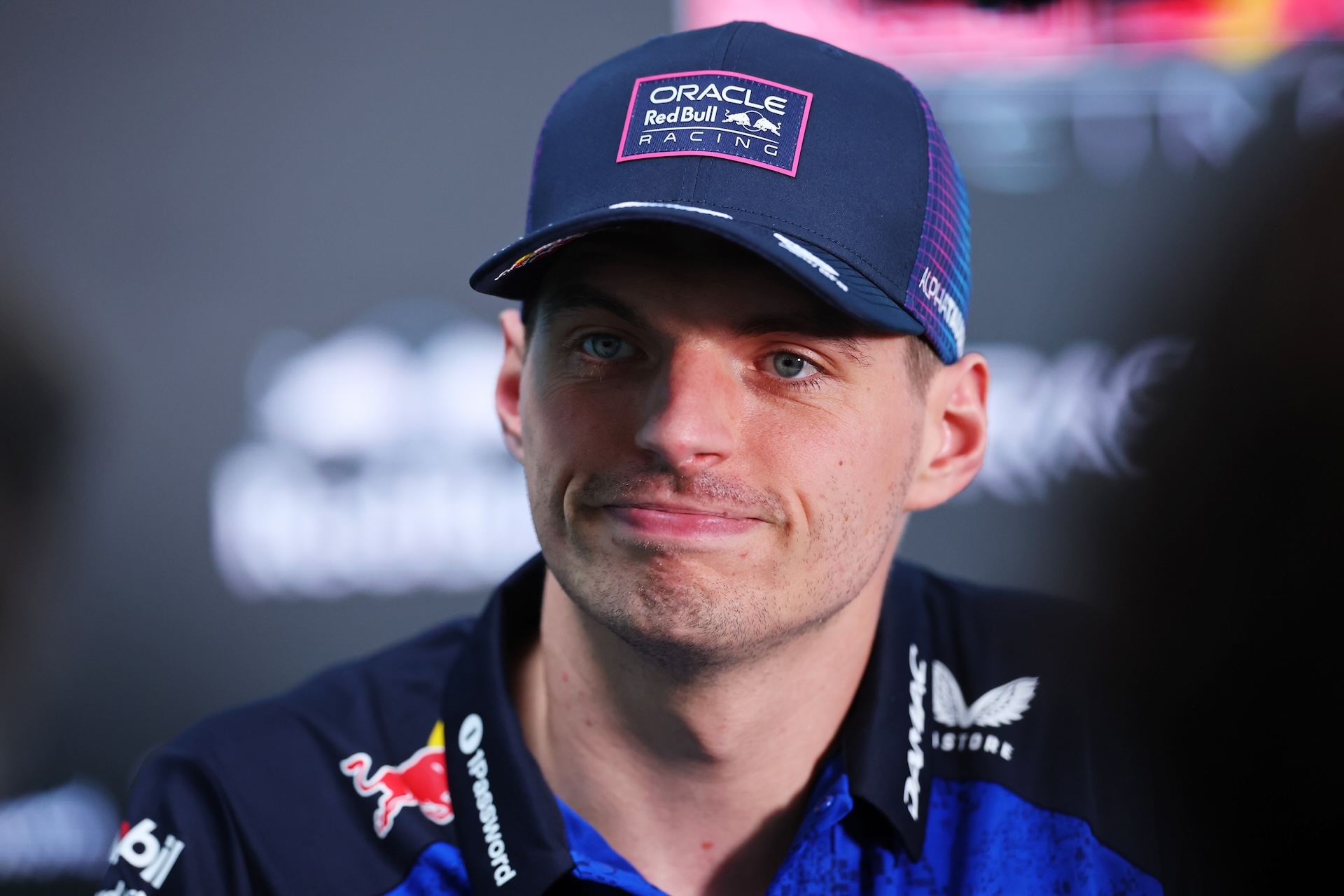
“I guess it’s a tickle,” Max Verstappen told the media. “You know, it’s not what we need yet to really make it flat out. But it’s complicated to get everyone to agree. I just hope for next year we can make really big, big changes.
“I mean, the positive thing about it is that we had some nice meetings with Formula 1 and the FIA,” he added. “And I think that’s probably a starting point hopefully for the future.”
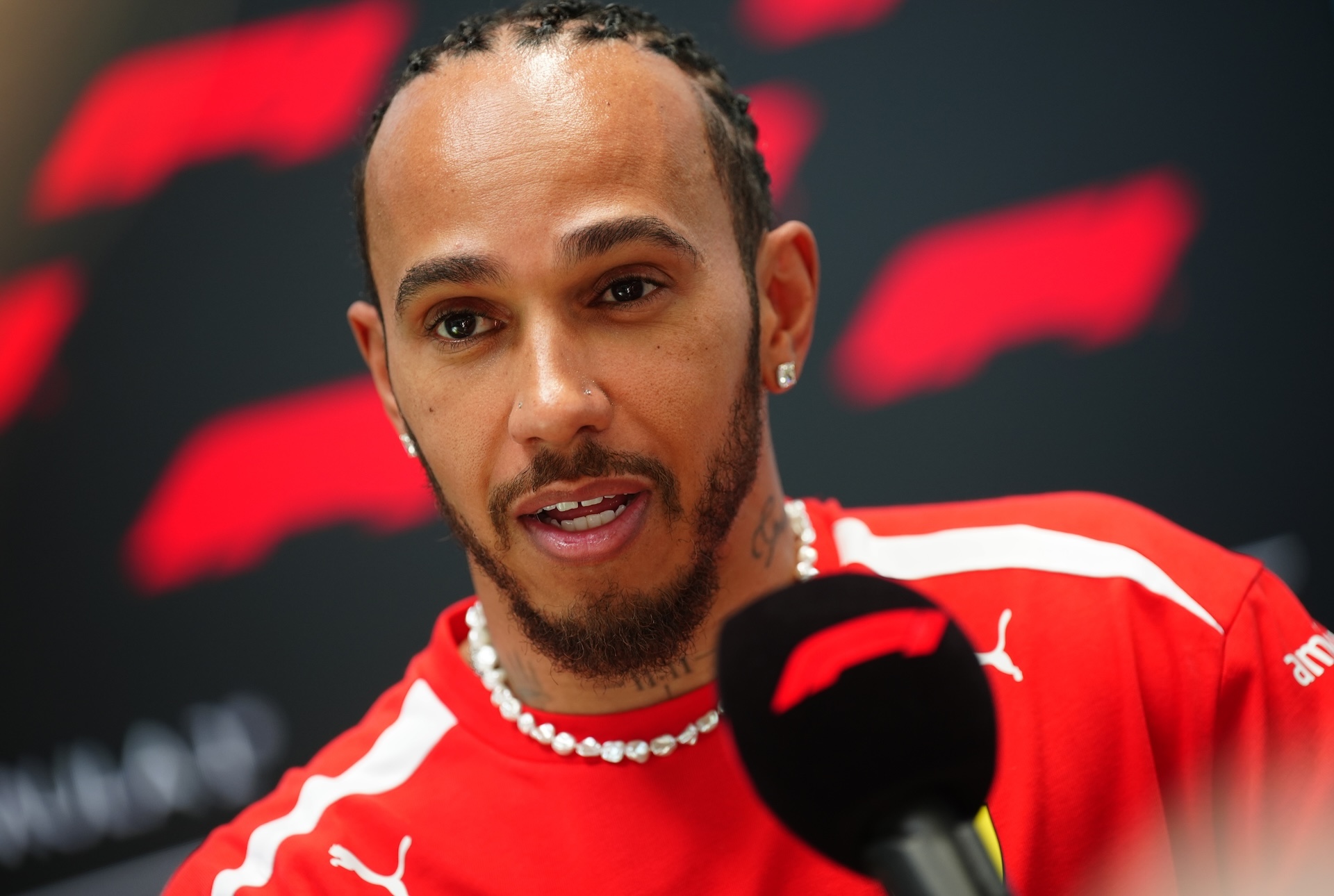
Lewis Hamilton, who has been a bit quieter on this matter than his colleagues, reiterated the same message as Verstappen, solidifying that drivers need to be more involved in the regulation-making process.
“All the drivers we do work together, we all meet—but the fact is we don’t have a seat at the table,” said Hamilton. “We do engage with the FIA and F1; F1’s more often a little bit more responsive. But being that we’re not stakeholders—we don’t have a seat at the table currently, which I think needs to change. I say to them, when I was doing the Pirelli [tire] test, ‘you guys should come and speak to us and collaborate with us, we don’t want to be slagging off the Pirelli tires, we know you can build a good product.’
“But their feedback will be coming from people who have never driven a car before. Speak to us, we’ll work hand in hand, and we can work together to approach the FIA so we can get a better product. And the same with F1: ‘we’re here to work with you. We don’t want to be slating our sport. We want the sport to succeed, and so we need to be working together.’ But it’s like a [broken] record—you keep doing it, and it’s like small baby steps each time. But I have no doubt [we are aligned].”
I wrote a basic explainer of the recent regulation changes, which you can read here. You’ll see that, while the tweaks are meaningful, they’re mostly surface-level adjustments to improve a few aspects of the racing product. It’s all centered on energy management and deployment, really. So, because there aren’t really any hardware changes, and the FIA is very unlikely to want to rule out anything big and sweeping (and I actually think they’re right to do so), no one should expect a massive change come race day. Or, the Sprint race on Saturday, for that matter.
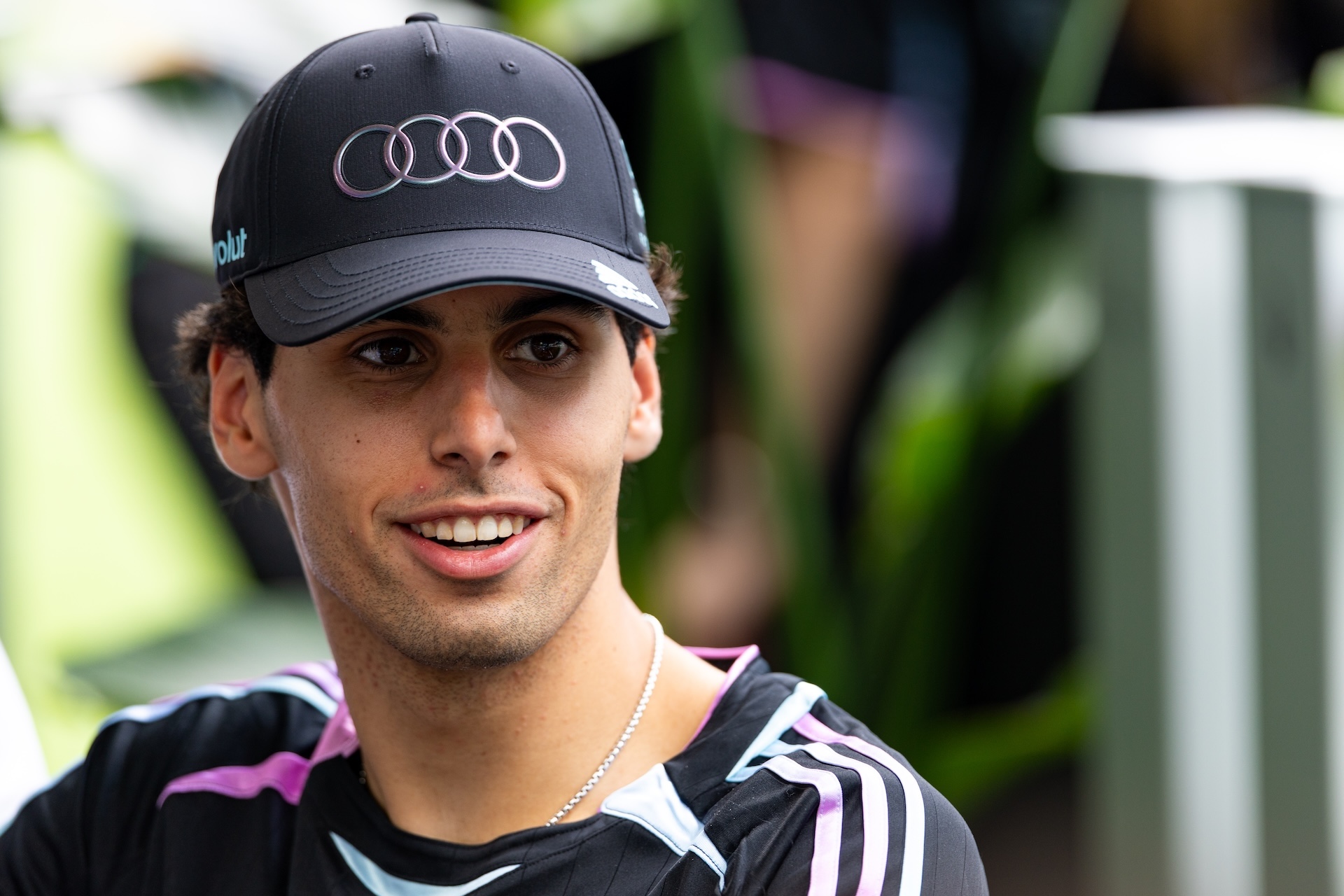
“I think it’s going in the right direction,” Audi’s Gabi Bortoleto said to the media on Thursday. “They have pushed in the direction the drivers were asking for. Still, we obviously need to head to the track and drive see how it affects the car. At the end of the day, the only way we can give you a proper answer is when we drive it [on Friday], and if we really feel a difference, I believe we will. But yeah, something isn’t going to change massively, if I’m very honest with you. I think the changes are small, but in the right ways.”
Audi’s Nico Hulkenberg, one of the most experienced drivers on the track in terms of race count, backed up his teammate’s comments on the tweaks, though also reiterated that the changes were primarily enacted to improve safety, with performance as somewhat of a secondary reason. He even explained that, while many have argued that other series like WEC or IMSA have similar energy strategies, the sheer speed of F1 cars forced tweaks to avoid further issues like the one with Oliver Bearman in Suzuka.

“The [tweaks] look definitely like a step in the right direction, especially, you know, when we look at safety, and the safety problem with these big closing speeds,” said Hulkenberg. “If one car is at full power and one car is not having electric power anymore, there is a big difference in delta speed, which can cause accidents as we’ve seen in Japan, and that is dangerous. Some of it is aimed at that and then also at quality [of racing], you know, to make it a bit easier for drivers to also be able to go back to a more old school [way], to be really able to push and not be penalized if you push too much.
“It’s in the DNA of endurance racing to have different categories, but they don’t kind of directly battle each other because they’re different categories,” he added. “It does happen every now and then that they get in each other’s way, and there are incidents from that. I think it’s a bit slightly different for us [in F1].”
With a Sprint race on Saturday and the GP on Sunday, there will be multiple opportunities to see just how much the changes have affected each team.
Got a tip? Email us at tips@thedrive.com
News,F1,Racing#Drivers #Banking #Big #Improvements #Regulation #Tweaks1777643027


More Stories
Super-Rare F1 Series Cadillac CT5-V Blackwing Is the Most Powerful Yet
2026 Toyota Crown Review: A Fancy Camry Alternative That Nobody Needs
Meet the Brave Souls Who Bought a Used, 340,000-Mile Rental Camper Van