


JD Power’s 2026 study shows that most EV charging occurs at home, but limited consumer education and rising costs are affecting satisfaction.
On the Dash:
- 86% of EV charging happens at home, yet only about 20% of owners receive dealer education on optimizing it.
- Average monthly home charging cost rises to $63, reducing satisfaction scores.
- Level 2 permanent chargers lead in satisfaction (733) despite higher issue rates at 44.2 PP100.
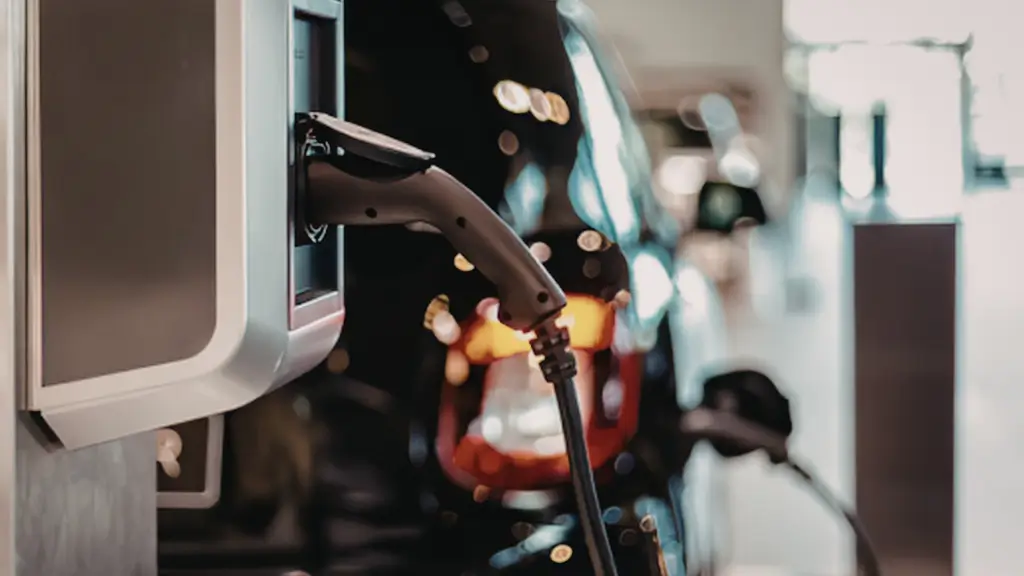
Home charging continues to dominate the electric vehicle ownership experience, accounting for 86% of typical EV charging, but rising costs and limited owner education are weighing on satisfaction, according to the J.D. Power 2026 U.S. Electric Vehicle Experience Home Charging Study.
Overall satisfaction among owners using Level 1 portable chargers fell to 569 on a 1,000-point scale, down 12 points year over year. Satisfaction for Level 2 portable chargers declined 4 points to 710, while Level 2 permanently mounted chargers held steady at 733.
Sign up for CBT News’ daily newsletter and get the latest industry stories delivered straight to your inbox.
Despite the importance of home charging, only about 20% of EV owners say they received education or advice from their purchasing dealer on how to optimize it.
Charging costs are increasing, with owners reporting an average spend of $63 over the past 30 days, up $5 from a year ago. Satisfaction with charging costs declined to 687, down 11 points. Regional differences were significant, with New England owners reporting the highest monthly cost at $99 and the lowest satisfaction score at 552. In contrast, Mountain region owners reported the lowest cost at $36 and the highest satisfaction at 771.
Charging behavior also plays a key role in satisfaction and cost control. More than one-third (38%) of owners say they always schedule charging at home, achieving a satisfaction score of 734. That compares with 706 among those who sometimes schedule charging (16%) and 700 among those who never do so (46%). Among owners charging during off-peak hours, those who always schedule spent $65 in the past 30 days, compared with $71 for those who never schedule.
While awareness of utility-supported smart charging programs is relatively high at 69%, participation remains low, with just 12% of owners enrolled. Additionally, only 50% of EV owners who charge at home say their utility offers variable electricity rates and incentives.
Level 2 permanently mounted chargers, while delivering the highest satisfaction, also recorded the most issues at 44.2 problems per 100 chargers (PP100), up 5.2 PP100 year over year. These higher issue rates are tied to advanced features such as Wi-Fi connectivity, mobile apps and smart charging capabilities.
Tesla ranked highest among Level 2 permanently mounted chargers for a sixth consecutive year with a score of 771, followed by Emporia at 761 and ClipperCreek at 760.
The study surveyed 5,399 owners of 2020–2026 model-year battery electric vehicles and plug-in hybrid electric vehicles and was fielded from November 2025 through February 2026.
Data & Analytics,Articles,Headlines,home charging,EV news,car business,Retail Automotive,electric vehicles,JD Power#home #charging #satisfaction #declines #costs #rise #Power #study1774364388


More Stories
Weekly roundup: FTC wants dealers to report deceptive pricing, Ford boost U.S. assembly, Carvana expands dealership portfolio
Autonomous future back in focus as Waymo expands, Uber reinvests billions
New car sales drop 7.3% in April, but don’t blame buyers