





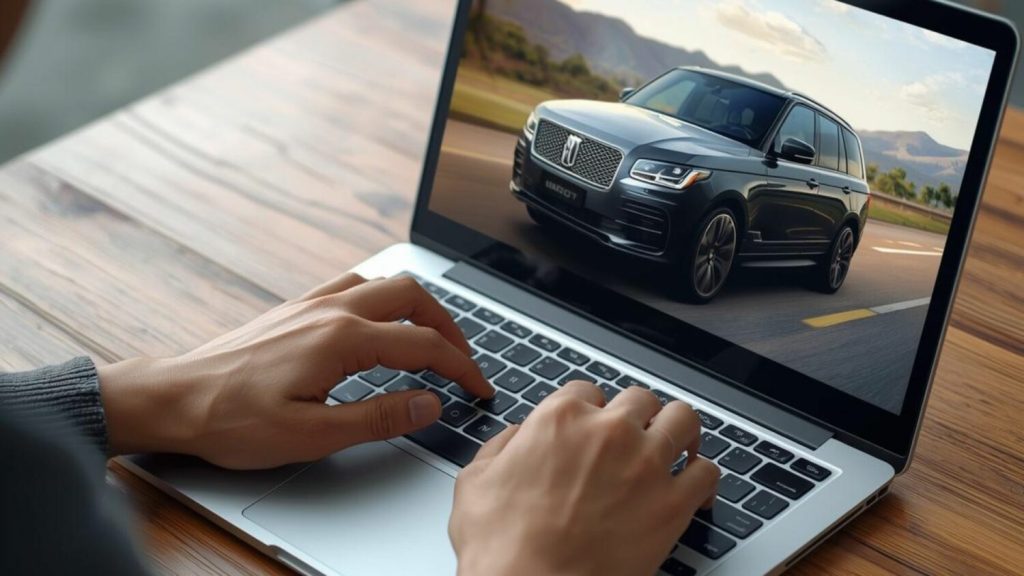
Dealers must balance speed, inventory scale, and copyright compliance in digital listings.
On the Dash:
- Dealers face legal risk when using AI-generated or online images without proper copyright clearance.
- Image shortages are common, especially among medium- and high-volume dealer groups, affecting sales and consumer trust.
- Balancing speed, scale, and compliance is critical as online retail dominates vehicle shopping.
High-quality vehicle images have become central to building credibility and consumer trust in digital retailing. As online shopping accelerates, many dealers are turning to AI-generated or online-sourced images to fill gaps when vehicle photos are missing. That approach, however, can significantly increase exposure to copyright infringement claims, disputes and potential litigation.
Strong imagery is closely tied to buyer behavior. A lack of clear, detailed vehicle photos can sharply reduce the likelihood of a sale.
Sign up for CBT News’ daily newsletter and get the latest industry stories delivered straight to your inbox.
According to Cox Automotive, 90% of car buyers say images on dealer listings are extremely important. The study also found that 40% of consumers are willing to purchase a vehicle based solely on online images, without seeing it in person.
Image expectations vary by shopper type. Used-car buyers tend to focus on vehicle condition, while new-car shoppers place greater emphasis on appearance and styling. To maximize engagement, dealers should post as many images as possible per listing, including exterior and interior views, close-ups of key features, and vehicle-specific details such as the odometer.
Despite the growing importance of visuals, image shortages remain widespread across the industry. These gaps are most common among medium- and high-volume dealer groups managing large inventories. The pressure to publish listings quickly often pushes dealers towards alternative image sources, including AI tools or online images, to avoid delays.
Legal uncertainty compounds the challenge. A recent survey of more than 500 U.S. dealers conducted by IMAGIN.studio found that only 10% always list vehicles with a relevant image at launch. Nearly half of the respondents said they regularly use “Image Coming Soon” placeholders when advertising available inventory.
The survey also revealed significant copyright blind spots. One in 10 dealers said they are unsure whether the images they use are copyright-safe. That uncertainty rises among both small independent dealers and the largest dealer groups. Using images without clear ownership or proper licensing increases the risk of takedown requests, infringement claims and legal action.
AI-powered image tools can further raise the stakes. Images generated or modified using generic AI platforms may lack clear provenance, ownership or legal protection. If challenged, dealers may struggle to demonstrate their right to use the content, potentially leading to financial penalties and operational disruption.
As online retail continues to dominate vehicle shopping, image compliance is emerging as a critical risk management issue for U.S. auto dealers. Success increasingly depends on balancing speed, scale and legal certainty when managing digital inventories.
Industry News,Articles,Headlines,auto industry insights,digital retailing tools,artificial intelligence,Auto News,Retail Automotive,used-vehicle sales#Dealers #face #copyright #risk #fill #vehicle #image #gaps1770741404
More Stories
Weekly roundup: FTC wants dealers to report deceptive pricing, Ford boost U.S. assembly, Carvana expands dealership portfolio
Autonomous future back in focus as Waymo expands, Uber reinvests billions
New car sales drop 7.3% in April, but don’t blame buyers