
Beijing previously urged against engaging in separate talks, but Volkswagen Anhui’s Cupra exemption has changed the calculus. By Stewart Burnett
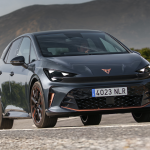
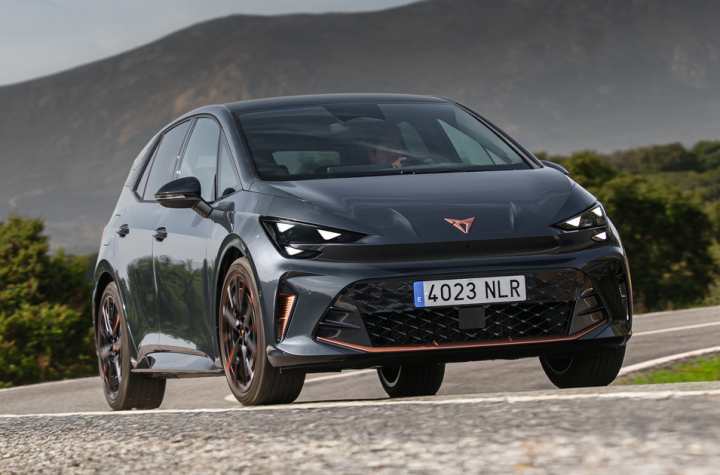
On 12 February, China’s Ministry of Commerce shifted its stance by accepting that Chinese automakers can embark on independent negotiations with the EU on their electric vehicle (EV) imports. The change in position comes just days after Volkswagen Anhui became the first automaker to secure a duty-free rate for the Cupra Tavascan SUV as part of the bloc’s new individual price minimum policy alternative to tariffs.
“It is hoped that more Chinese companies will reach agreements with the European side on price commitments,” said Ministry of Commerce Spokesperson He Yadong said at one of the ministry’s regularly-scheduled news conferences. a regular news conference. Beijing had previously urged Brussels not to engage in separate talks with Chinese automakers, despite EU-side allowances automakers to apply for tariff exemptions on specific China-made EV models.
He emphasised that China is willing to maintain communication with the EU and that “both sides support Chinese EV makers to make good use of price undertakings”.The European Commission approved Volkswagen Anhui’s request to exempt the Tavascan SUV from a 20.7% countervailing duty on 10 February, although the 10% base rate still applies. The arrangement comes in exchange for an agreed minimum price and sales quota, marking the first such exemption since the bloc imposed tariffs in 2024. Volkswagen also committed to import quotas and EV battery-related investments in the bloc.
China’s Chamber of Commerce to the EU said that some Chinese EV makers are already considering submitting their own price undertaking proposals, expressing hope for equal treatment to their European counterpart. The chamber recommended maintaining close communication with companies to ensure that the arrangements remain practical and predictable, noting that Chinese exporters often manage multiple models and complex business structures.
For China, the tariff exemption mechanism represents a preferable alternative to the tiered duty structure first imposed back in 2024, which varies significantly by automaker and is locked in place for five years. Tesla secured the lowest rate at 7.8% because it cooperated extensively with EU investigators and was shown to have received meaningfully fewer subsidies than domestic Chinese players. For contrast, BYD faces 17%, Geely 18.8%, and SAIC a maximum 35.3% penalty for failing to cooperate with EU investigators.
The new framework effectively creates three pathways for affected automakers: paying the tariff, trying to hash out price minimum, or manufacturing in Europe to bypass the duties entirely. Tesla has remained quiet on price undertakings, likely because its sub-10% tariff creates less pressure to accept minimum pricing. Simply paying the existing duty could prove less costly than negotiating a less-than-desirable price floor.
Chinese automakers captured over 10% of Europe’s EV market in 2025. Most Chinese brands typically priced vehicles at or just below established European models rather than competing on cost, absorbing tariffs to maintain their margins.
E-Mobility,Markets,News#China #signs #individual #OEM #negotiations1770963794
More Stories
Pony.ai, CATL partner on first L4 electric light truck
UK lays regulations for automated passenger services
Leapmotor reveals China-only B05 Ultra at Beijing show