





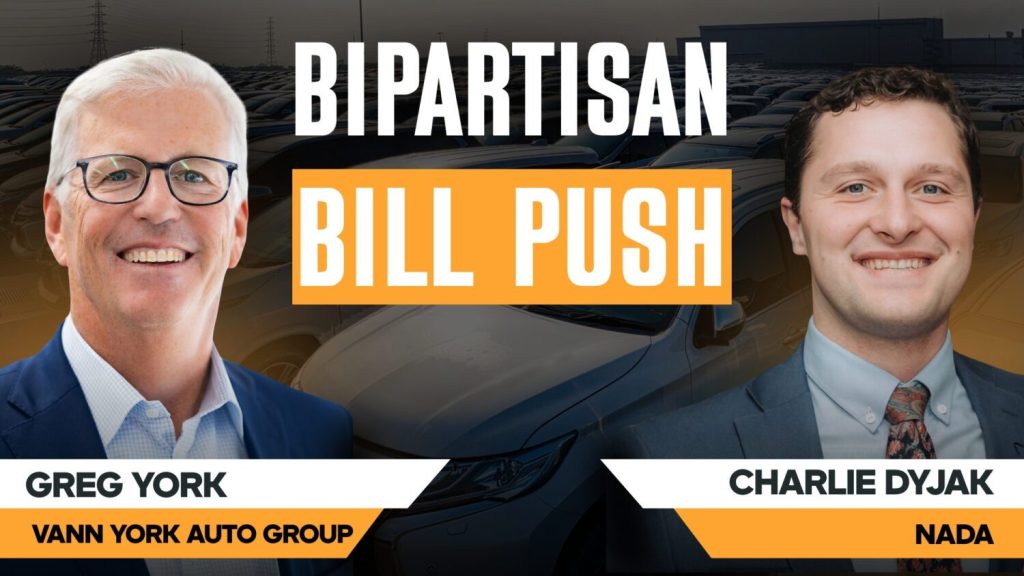
Catalytic converter theft remains a costly and disruptive problem for dealerships and consumers nationwide, prompting renewed bipartisan momentum behind the federal PART Act, which would establish traceability requirements, strengthen penalties, and create a national framework to deter theft.
Joining us on this special edition of Inside Automotive is Greg York, President and CEO of Vann York Auto Group, and Charlie Dyjack, Legislative Affairs Manager at NADA, to discuss what this means for dealers, car owners, and the broader automotive community.
According to York, almost all American dealers have been affected by catalytic converter theft. He notes that even during a slow year, York Auto Group recorded about 30 thefts, highlighting the issue’s frequency and persistence. Additionally, York points out that about half of these thefts involved either customer or employee vehicles, which increases both the financial and emotional strain beyond the insured inventory losses.
“This law is about deterrence more than anything else.” – Greg York
While dealerships can typically insure inventory losses, customer vehicles are typically covered under the owner’s insurance, leading to higher deductibles, higher premiums, and major inconveniences. In many cases, damage extends beyond the converter itself, sometimes affecting emissions systems and other undercarriage components, thereby increasing repair costs and delaying vehicle returns.
Sign up for CBT News’ daily newsletter and get the latest industry stories delivered straight to your inbox.
Unfortunately, York expressed, dealers have limited tools to prevent theft. He says while security cameras may capture footage, without a way to trace stolen parts back to specific vehicles, prosecutions are difficult.
Meanwhile, the PART Act aims to address those gaps by establishing a federal framework. Dyjak explains that the legislation includes four key components:
- Enhance traceability by mandating unique identifiers linked to vehicle VINs.
- Establish a grant program to support the marking of vehicles currently in use.
- Improve nationwide compliance by strengthening scrap metal recordkeeping requirements.
- Deter illegal activities by increasing penalties for both theft and trafficking.
Supporters argue that federal standards are critical because catalytic converter theft has become a national problem that cannot be solved by individual states alone. Law enforcement groups have backed the bill, citing the lack of traceability as a major barrier to enforcement.
“The bills are both very bipartisan. We’ve got Democrats and Republicans introducing offices both in the House and in the Senate.”– Charlie Dyjak
Dyjack affirms the legislation has drawn bipartisan support in both the House and Senate and is backed by a broad coalition that includes dealers, trucking associations, consumer advocacy groups, rental car companies, and law enforcement organizations. Additionally, recent congressional hearings have helped push the issue forward, though some industry concerns remain.
Automakers have expressed reservations about marking requirements, citing potential hurdles with cost and implementation. However, Dyjak countered these concerns by asserting that consumer and dealer safeguards justify the added expense, which he said studies indicate would be negligible per vehicle.
Importantly, NADA continues to urge dealers to engage directly with lawmakers, stressing that firsthand accounts from local businesses are often the most effective way to advance legislation. Dyjak said dealer outreach remains a key factor in pushing the bill across the finish line.
York said catalytic converter theft is a rare issue in which dealer, consumer, and law enforcement interests align. As affordability pressures drive more consumers toward used vehicles and dealers manage tighter margins, reducing theft-related disruptions has become increasingly urgent.
Advocates say passage of the PART Act would not eliminate theft entirely, but it would create meaningful deterrents and provide law enforcement with the tools needed to hold offenders accountable. Both dealers and NADA advocate the PART Act to combat catalytic converter theft through traceability, tougher penalties, and federal standards.
Safety & Compliance,Inside Automotive,Featured,catalytic converter theft,federal guidelines,car business,Retail Automotive,auto industry,NADA,dealership news#Catalytic #converter #theft #drives #bipartisan #push #federal #PART #Act #Greg #York #amp #Charlie #Dyjak1770204054



More Stories
Weekly roundup: FTC wants dealers to report deceptive pricing, Ford boost U.S. assembly, Carvana expands dealership portfolio
Autonomous future back in focus as Waymo expands, Uber reinvests billions
New car sales drop 7.3% in April, but don’t blame buyers