


After five years of running Indian operations from cities like Kathmandu, BYD is eyeing a major expansion in the country. By Stewart Burnett
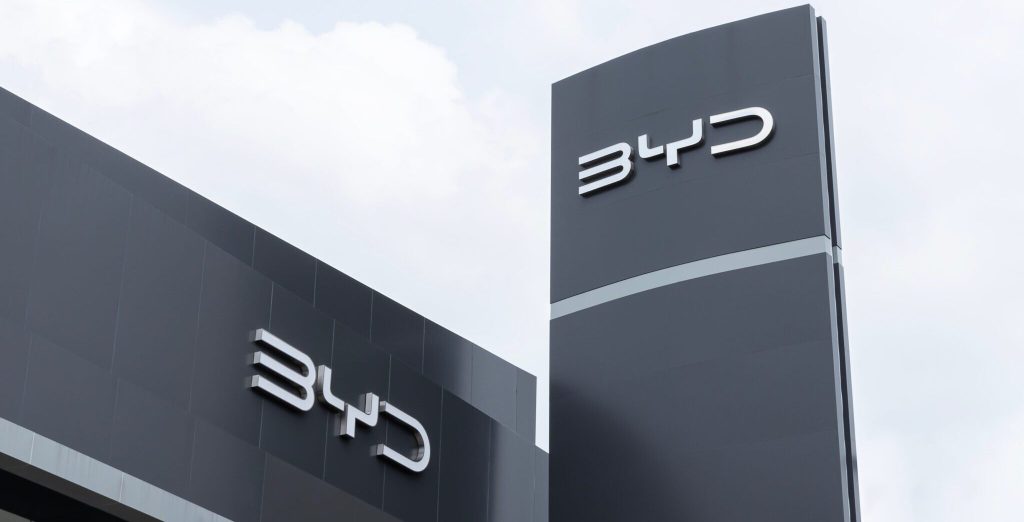
BYD is considering local assembly operations in India including semi-knocked-down kit production to address surging demand constrained by import quotas, according to a 28 January Bloomberg report citing people familiar with the matter. The Chinese automaker is still evaluating assembly options, with dealers currently holding hundreds of unfulfilled bookings due to import caps.
Current Indian regulations impose quotas of no more than 2,500 of each model BYD sells in the Indian market to be imported annually. This is putting strain on the automaker, which saw its local sales jump by approximately 88% during 2025 to roughly 5,500 vehicles. This is in spite of import duties reaching as high as 110% on fully-built cars; indeed, the growth was driven arguably by pricing the models substantially lower than Tesla’s equivalent offerings in the premium segment. The Model Y currently starts around US$70,000 in India, far more than the US$45,000 it retails for in the US.
To meet rising demand—and presumably demonstrate to Indian regulators a willingness to invest in local manufacturing—the automaker is now pursuing semi-knocked-down assembly. This is a relatively lower-cost approach requiring less capital investment than full manufacturing, and would in turn reduce applicable tariffs from 70% to 30%. It could also make it easier to secure regulatory approval, following Indian authorities’ previous rejection of a BYD proposal to construct a complete vehicle assembly facility.
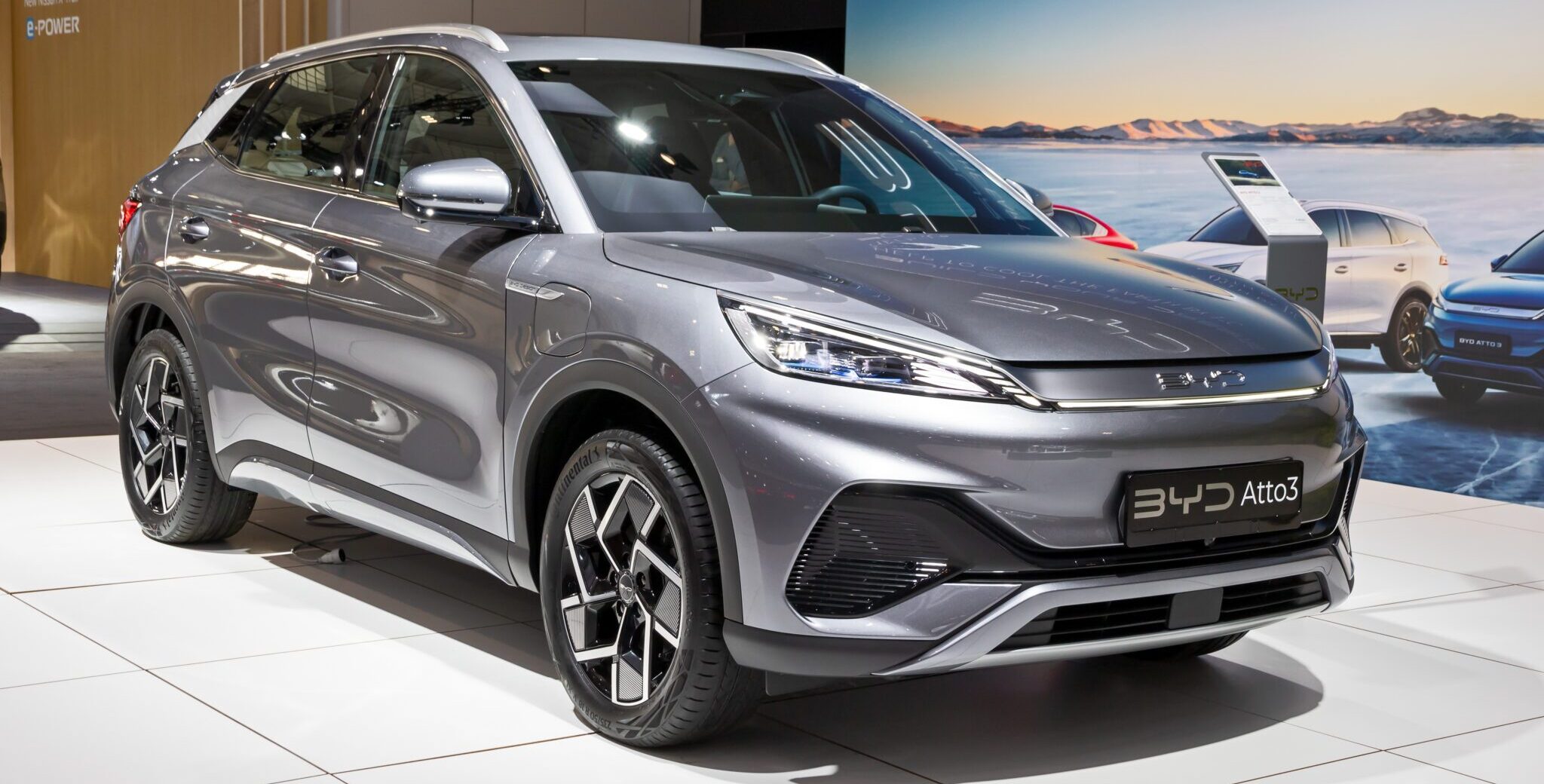
At the time of writing, BYD sells four models in India including the Atto 3 compact SUV, eMax 7 multipurpose vehicle, Seal sedan and Sealion 7. The Atto 3 starts at INR 2.5m (US$27,255), positioning it at the premium end of India’s mass-market electric vehicle (EV) segment. Several additional models are under consideration by the automaker, including the Atto 2 crossover, the Dolphin hatchback, and the Seagull city car which is currently among the least expensive EVs in the world.
The tentative expansion plans come on the heels of years of tension between Beijing and New Delhi, which has put considerable operational constraints on BYD’s ability to operate in the Indian market. Previous reporting revealed that executives were forced to oversee the automaker’s India operations from hotels in neighbouring Nepal and Sri Lanka, as well as in Tokyo and Singapore, due to months-long visa approval freezes.
Bloomberg subsequently reported in September 2025 that BYD had begun processing visas for senior executives and engineers following five years of on-off remote management. The thaw was attributed to improving Sino-Indian relations in the wake of August meetings between President Xi Jinping and Prime Minister Narendra Modi.
The latest Bloomberg report marks the second time in five months the outlet has indicated BYD plans to ramp up its Indian presence, suggesting either evolving regulatory conditions or protracted internal deliberations as the automaker assesses market viability and policy uncertainty.
India introduced revised EV regulations in 2025, offering reduced 15% import duties for vehicles valued above US$35,000—down from 70-100%—provided that automakers commit minimum investments of INR 415bn toward local production facilities and achieve phased domestic value addition targets reaching 50% by year five. The scheme caps total imports at 40,000 vehicles over five years with an 8,000-unit annual limit, although BYD’s proposal for semi-knocked-down assembly would fall outside this framework.
E-Mobility,Manufacturing,Markets,News,OEMs,BYD,Stewart BurnettBYD,Stewart Burnett#BYD #weighs #CKD #assembly #India #local #orders #surge1769615007
More Stories
Pony.ai, CATL partner on first L4 electric light truck
UK lays regulations for automated passenger services
Leapmotor reveals China-only B05 Ultra at Beijing show