


Multiple Chinese automakers have pivoted their European strategies to focus on hybrids due to the more favourable trade environment. By Stewart Burnett
The European Commission has rejected suggestions it is considering slapping new tariffs on imports of Chinese-made hybrid vehicles, despite internal advocacy from senior officials to expand existing anti-subsidy measures that affect only battery-electric vehicles (BEVs). Trade Spokesperson Olof Gill asserted at a Brussels press conference when questioned about the potential move: “There is no ongoing investigation into exports of hybrid vehicles from China to the European Union”.
Five days ago, news outlet Euractiv reported the measures under consideration. According to the report, Industry Commissioner Stéphane Séjourné has “repeatedly” questioned internally why measures applied to BEVs should not extend to hybrids if both are produced under identical conditions. European automakers, she is claimed to have argued, require equal protection from the heavily subsidised production of hybrids, just as much as BEVs.
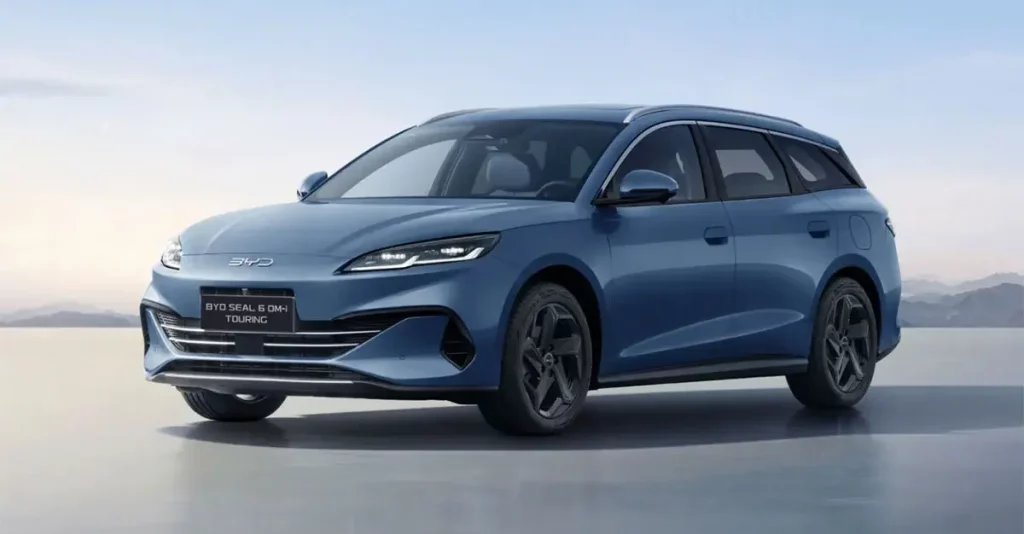
Maintaining separate treatment arguably does create inconsistent competitive frameworks for domestic automakers, and has incentivised Chinese players to pivot their European strategies toward hybrids to take advantage of the more favourable trade conditions. Among the OEMs to have adjusted their focus are BYD and Chery, the former having undergone an overhaul of its Europe strategy in early 2025.
Chinese hybrid exports to the EU surged 155% during 2025, vastly outpacing the 12% growth in BEV shipments that are subject to levies. This trend was also apparent globally: Chinese BEV exports rose 66.7% year-over-year in 2025 while hybrid exports surged 230% according to data from the China Association of Automobile Manufacturers.
That the subject of additional levies comes up—even if no action was taken—is certainly understandable given this context. Without elaborating on internal deliberations, Gill acknowledged that “commissioners are politicians and have the right to raise whatever issues they want”. He emphasised that the original anti-subsidy investigation mandated under World Trade Organisation (WTO) rules zeroed in on BEVs because Brussels had identified the battery sector specifically as the problematic trade pattern threatening European industry.
Any expansion to hybrid vehicles would therefore require a fresh WTO-compliant investigation before tariff measures could be implemented. Gill also noted that while hybrids contain batteries, these components are significantly smaller than those in BEVs—and therefore less of a concern.
The EU imposed tariffs on Chinese-made BEVs in October 2024, following an anti-subsidy investigation into state support programmes that Brussels argues provide an illegal competitive advantage. In mid-January 2026, the Commission published guidance allowing the affected automakers to propose minimum price commitments as an alternative to tariffs, with both mechanisms currently available in parallel.
Beijing’s Commerce Ministry welcomed the price undertaking framework as a breakthrough, although Brussels cautioned that issuing guidelines does not guarantee the actual removal of tariffs. Concerns have also been expressed that price minimums would affect the competitiveness of European automakers.
News,Stewart BurnettStewart Burnett#Brussels #denies #exploring #fresh #duties #Chinese #hybrids1769017829

More Stories
Pony.ai, CATL partner on first L4 electric light truck
UK lays regulations for automated passenger services
Leapmotor reveals China-only B05 Ultra at Beijing show